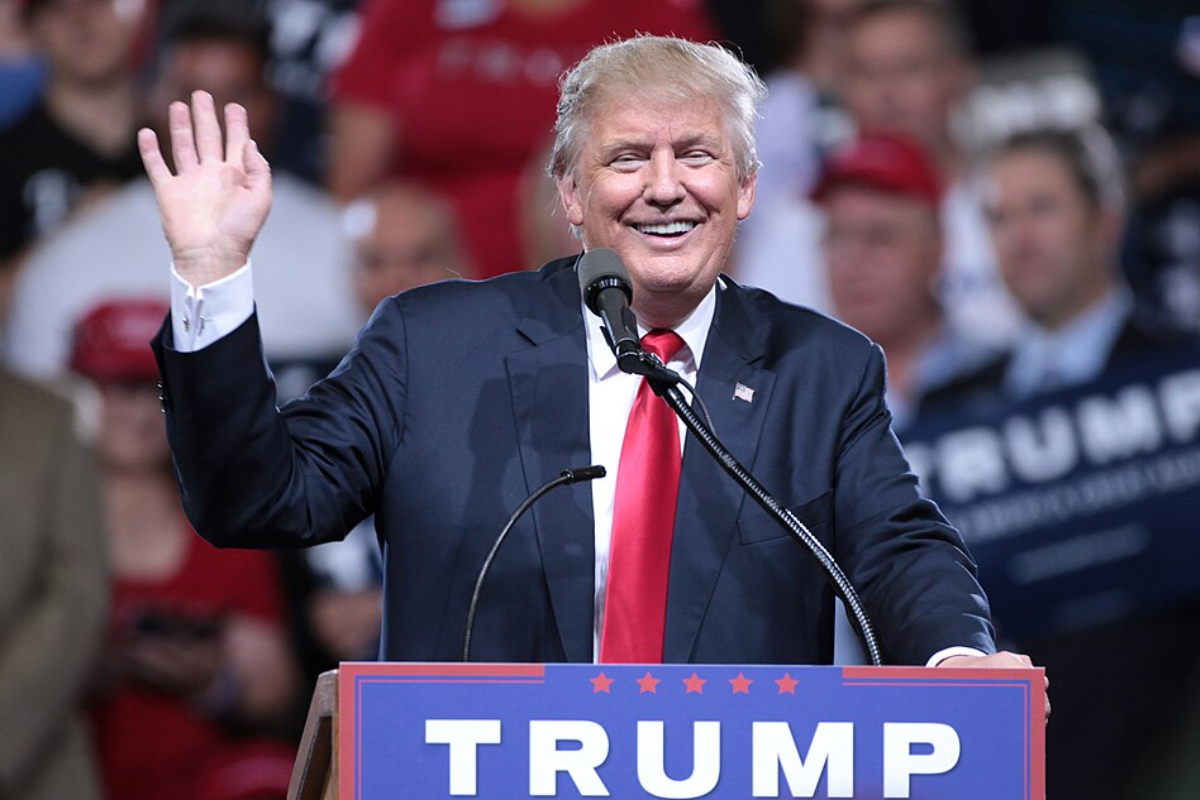
A resurfaced exchange from a January interview is drawing renewed attention to President Donald Trump's unfulfilled promise of $2,000 (£1,504) tariff dividend checks for Americans. During an Oval Office interview on 11 January, when asked about his pledge to send rebate checks funded by tariff revenues, Trump initially appeared to draw a blank —responding, 'I did do that? When did I do that?'
He eventually walked back his hesitation, telling correspondents Katie Rogers and Tyler Pager: 'The tariff money is so substantial. That's coming in, that I'll be able to do $2,000 sometime. I would say toward the end of the year.' When asked whether he would need Congressional approval, Trump replied: 'No, I don't believe we do. We have it coming in from other sources.'
The remarks stand in stark contrast to the president's own words. In a 9 NovemberTruth Social post, Trump wrote: 'A dividend of at least $2000 a person (not including high-income people!) will be paid to everyone.' The post also boasted that the United States was 'taking in Trillions of Dollars' in tariff revenue — a claim that the Yale Budget Lab and Tax Policy Center have sincedisputed.
Trumpdoubled downthe following day, telling reporters in the Oval Office: 'We're going to issue a dividend to our middle-income people and lower-income people of about $2,000 (£1,504). And we're going to use the remaining tariffs to lower our debt.'
White House Press Secretary Karoline Leavittconfirmed at a 12 November press briefing that the administration remained committed to the plan. 'The president made it clear he wants to make it happen,' Leavitt told reporters. 'So his team of economic advisers are looking into it.'
National Economic Council DirectorKevin Hassettlater offered the clearest timeline yet, saying on 21 December 2025: 'I would expect that in the new year, the president will bring forth a proposal to Congress to make that happen.' When pressed on timing, Trump himselfsaidin January that the checks would come 'toward the end of the year.'
Fiscal experts were sceptical from the start. According to the Yale Budget Lab, a one-time $2,000 (£1,504) per-person rebate with an income limit of $100,000 (£75,188) wouldcost $450 billion(£338 billion) — roughly twice as large as the total revenue projected to be raised by the administration's tariff hikes in 2026.
The nonpartisan Tax Policy Center alsoestimatedthat Trump's tariffs would impose an average burden of about $2,600 (£1,955) per tax unit in calendar year 2026, reducing the economic impact of any dividend payments, because the tariffs are mostly paid by US importers, not foreign countries, who often pass at least some of their costs onto American consumers through higher prices.
Certified financial plannerStephen Kates, a financial analyst at Bankrate, said the idea was questionable from the outset. 'Tariff dividends were a long shot from the beginning,' Kates said. 'Given the White House's lack of authority to unilaterally issue stimulus checks to Americans, the idea was largely aspirational.'
Following a Supreme Court ruling that struck down Trump's sweeping tariffs as illegal, the outlook for the dividend payments darkened further. Kates said that the odds of the policy moving forward are now 'effectively zero,' adding: 'Even if tariffs were to return to prior levels and generate revenue for a broad stimulus program, there does not appear to be sufficient political support to move such a measure through Congress.'
Source: International Business Times UK
