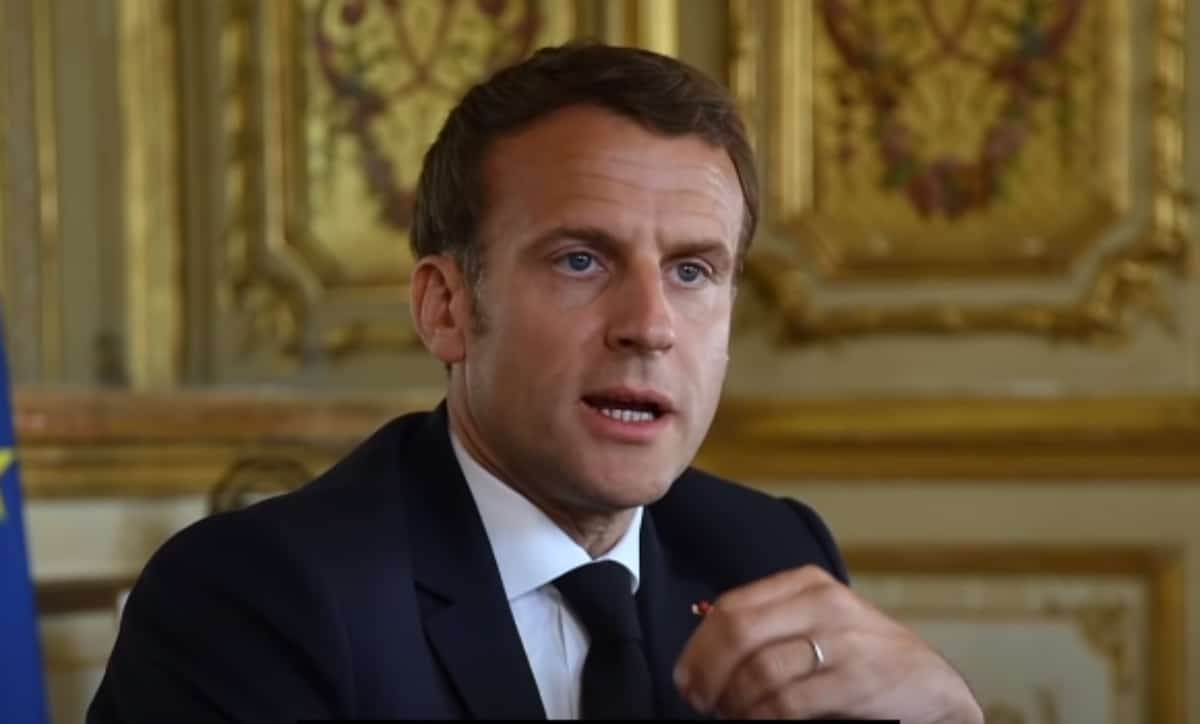
French President Emmanuel Macron sharply deflected questions on the Jeffrey Epstein scandal during a press conference in Paris, insisting that the affair "mainly concerns" the United States and has little bearing on France. The remarks, delivered amid heightened global scrutiny over newly unsealed documents implicating high-profile figures, underscore Macron's efforts to shield his administration from transatlantic fallout as allegations swirl around international elites.
Speaking to reporters after a cabinet meeting, Macron emphasized France's commitment to transparency while drawing a firm line on Epstein's web of influence. "The Epstein affair mainly concerns the United States, where the facts originated and were investigated," he stated, referencing the financier's American-based operations and the U.S. Justice Department's handling of the case. The comment came in response to queries about French nationals named in recent Epstein file releases, including business leaders and politicians with ties to Macron's centrist Renaissance party.
Epstein, the convicted sex offender who died in a New York jail cell in 2019, maintained a shadowy network that allegedly ensnared politicians, celebrities, and royals across borders. French connections have surfaced sporadically, with past reports linking Epstein to figures like former modeling agent Jean-Luc Brunel, who faced charges in France before his own suspicious death in 2022. Macron's administration has faced pressure to investigate potential domestic links, especially as U.S. court documents from 2024 and 2025 continue to name-drop European elites.
The president's statement drew immediate backlash from American conservatives and transparency advocates, who accused Macron of evading accountability. "This is classic elite deflection—Epstein's crimes knew no borders, and neither should justice," tweeted U.S. Representative Marjorie Taylor Greene, amplifying calls for deeper international probes. In France, far-right leader Marine Le Pen seized on the remarks to criticize Macron's "Anglo-Saxon favoritism," positioning her National Rally party as the true defender of French sovereignty against global scandals.
Analysts view Macron's positioning as a calculated move ahead of France's 2027 elections, where culture war flashpoints like elite pedophilia rings have fueled populist surges. By framing Epstein as a U.S. issue, Macron aims to refocus domestic debates on economic reforms and EU leadership, even as leaked flight logs and victim testimonies hint at broader complicity. Whether this gambit insulates France from further revelations remains uncertain, with ongoing U.S. lawsuits poised to test transatlantic tensions.
