The Secret Service confronted an armed suspect near the White House who fired shots, striking a juvenile bystander.Vice President JD Vanceâs motorcade had passed through the area moments before the shooting.The suspect fled on foot, drew a weapon, and exchanged gunfire with law enforcement before being shot.The suspectâs weapon was recovered, but details about the firearm remain undisclosed.Questions persist about whether the attack was random or coordinated, with no motive or identity yet determined.
Vice President JD Vanceâs motorcade had passed through the area moments before the shooting.The suspect fled on foot, drew a weapon, and exchanged gunfire with law enforcement before being shot.The suspectâs weapon was recovered, but details about the firearm remain undisclosed.Questions persist about whether the attack was random or coordinated, with no motive or identity yet determined.
The suspect fled on foot, drew a weapon, and exchanged gunfire with law enforcement before being shot.The suspectâs weapon was recovered, but details about the firearm remain undisclosed.Questions persist about whether the attack was random or coordinated, with no motive or identity yet determined.
The suspectâs weapon was recovered, but details about the firearm remain undisclosed.Questions persist about whether the attack was random or coordinated, with no motive or identity yet determined.
Questions persist about whether the attack was random or coordinated, with no motive or identity yet determined.
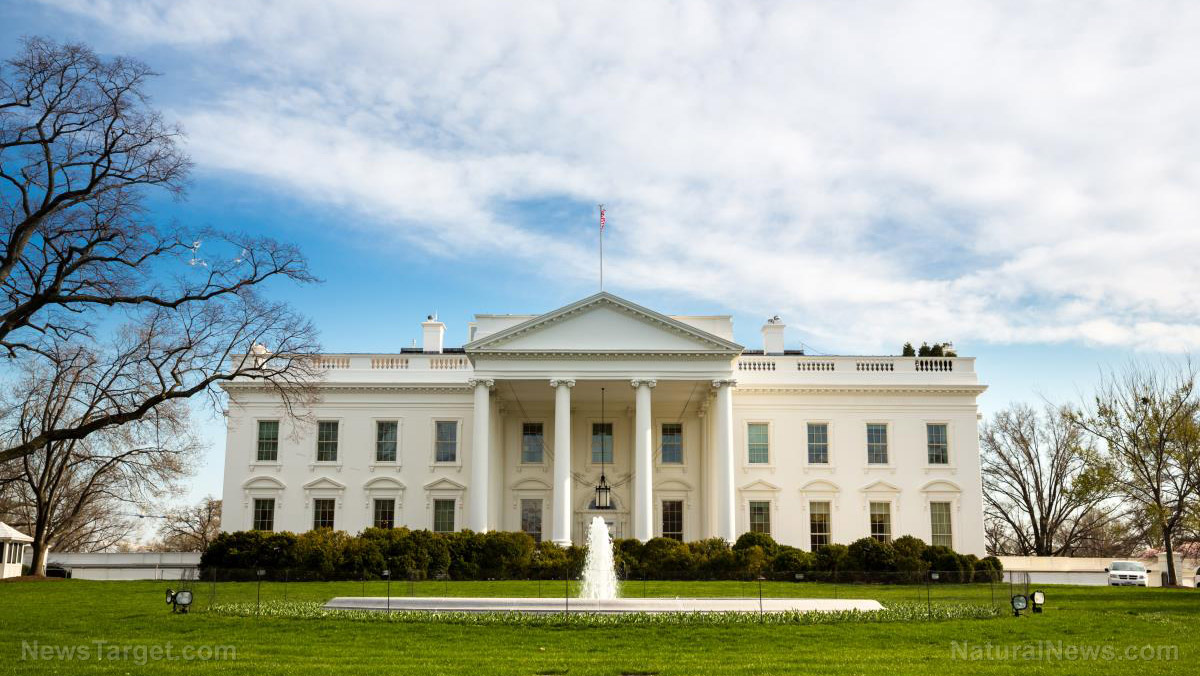
A routine Monday afternoon near the nation's most secure address turned into a scene of chaos when Secret Service agents confronted an armed suspect who opened fire, striking a juvenile bystander before being shot by law enforcement. The incident unfolded at 3:30 p.m. near 15th Street and Independence Avenue, roughly half a mile from the White House and near the Washington Monument. Vice President JD Vance's motorcade had passed through the area just moments earlier. What began as a suspicious person report ended with a hail of gunfire, a hospitalized child, and questions about whether this was a random confrontation or something far more sinister.Suspicious individual spottedSecret Service Deputy Director Matthew Quinn explained during a press conference that the chain of events began with trained surveillance detection personnel. "My understanding is they observed a print," Quinn said, according toFox News. "These are trained surveillance detection personnel out there looking every day to look for just that... and they observed a visual print of a firearm."The identification of a "visual print" of a weapon prompted agents on the outer perimeter to approach the individual. What happened next escalated with terrifying speed.Flight, fire, and return fireRather than cooperate, the suspect chose confrontation. "Upon making contact, that individual fled briefly on foot, withdrew a firearm and fired in the direction of our agents and officers," Quinn stated. "They returned fire and engaged."The exchange of gunfire occurred in one of the most heavily monitored areas of the nation's capital. A juvenile bystander was struck by the suspect's gunfire, though Quinn confirmed the injuries were "non-life-threatening." The child was transported to a hospital for treatment.The suspect was also hit and hospitalized. Authorities recovered a weapon from the scene but have not disclosed additional details about the firearm.Timing raises questionsThe proximity of Vice President Vance's motorcade to the incident has drawn scrutiny. Quinn acknowledged that the motorcade transited through the area "not long before" the shooting. However, when pressed, he stated there was "no indication that the suspect intended to approach Vance's motorcade."Asked whether the suspect might have been targeting President Trump, who was inside the White House during the incident, Quinn refused to speculate. "I can't sayâI'm not going to guess on that," he said. "I can tell you that every time, we're patrolling this area. In every site, we do 24/7, hardcore. Whether or not it was directed to the president or not, I don't know. But we will find out."The White House was briefly locked down following the shooting. D.C. police secured the scene and said road closures would remain in effect for several hours.This incident comes on the heels of heightened security concerns in Washington following a shooting at the White House Correspondents' Association Dinner late last month, for which a man has been arrested. The back-to-back incidents raise uncomfortable questions about the adequacy of security protocols surrounding the nation's most protected figures.The Metropolitan Police Department is handling the investigation, but the FBI's involvement remains a distinct possibility given that a federal officer-involved shooting occurred in federal territory.With surveillance cameras blanketing the National Mall and intelligence agencies possessing vast resources, the central mystery remains: was this a lone actor acting on impulse, or was there coordination behind the attack? The suspect's identity, motive, and potential connections remain unknown for now.What this means for national securityEvery incident of this nature forces a reckoning with uncomfortable truths. The Secret Service, tasked with protecting the president and vice president, operates with immense authority and corresponding responsibility. When an armed individual can get close enough to the White House perimeter to fire shots, it suggests either a failure of intelligence or a gap in physical security.Quinn's insistence that agents patrol "24/7, hardcore" reflects the reality that even constant vigilance cannot prevent every threat. But the fact that a child was caught in the crossfire after being struck by the suspect's bullets underscores the stakes involved.As investigators piece together the suspect's movements and communications, Americans are left with an uneasy awareness that the security apparatus designed to protect the nation's leaders operates under tremendous pressure. The coming days will reveal whether this was a random encounter or part of a larger pattern.Sources for this article include:SputnikGlobe.comReuters.comFoxNews.comWashingtonPost.com
Suspicious individual spottedSecret Service Deputy Director Matthew Quinn explained during a press conference that the chain of events began with trained surveillance detection personnel. "My understanding is they observed a print," Quinn said, according toFox News. "These are trained surveillance detection personnel out there looking every day to look for just that... and they observed a visual print of a firearm."The identification of a "visual print" of a weapon prompted agents on the outer perimeter to approach the individual. What happened next escalated with terrifying speed.Flight, fire, and return fireRather than cooperate, the suspect chose confrontation. "Upon making contact, that individual fled briefly on foot, withdrew a firearm and fired in the direction of our agents and officers," Quinn stated. "They returned fire and engaged."The exchange of gunfire occurred in one of the most heavily monitored areas of the nation's capital. A juvenile bystander was struck by the suspect's gunfire, though Quinn confirmed the injuries were "non-life-threatening." The child was transported to a hospital for treatment.The suspect was also hit and hospitalized. Authorities recovered a weapon from the scene but have not disclosed additional details about the firearm.Timing raises questionsThe proximity of Vice President Vance's motorcade to the incident has drawn scrutiny. Quinn acknowledged that the motorcade transited through the area "not long before" the shooting. However, when pressed, he stated there was "no indication that the suspect intended to approach Vance's motorcade."Asked whether the suspect might have been targeting President Trump, who was inside the White House during the incident, Quinn refused to speculate. "I can't sayâI'm not going to guess on that," he said. "I can tell you that every time, we're patrolling this area. In every site, we do 24/7, hardcore. Whether or not it was directed to the president or not, I don't know. But we will find out."The White House was briefly locked down following the shooting. D.C. police secured the scene and said road closures would remain in effect for several hours.This incident comes on the heels of heightened security concerns in Washington following a shooting at the White House Correspondents' Association Dinner late last month, for which a man has been arrested. The back-to-back incidents raise uncomfortable questions about the adequacy of security protocols surrounding the nation's most protected figures.The Metropolitan Police Department is handling the investigation, but the FBI's involvement remains a distinct possibility given that a federal officer-involved shooting occurred in federal territory.With surveillance cameras blanketing the National Mall and intelligence agencies possessing vast resources, the central mystery remains: was this a lone actor acting on impulse, or was there coordination behind the attack? The suspect's identity, motive, and potential connections remain unknown for now.What this means for national securityEvery incident of this nature forces a reckoning with uncomfortable truths. The Secret Service, tasked with protecting the president and vice president, operates with immense authority and corresponding responsibility. When an armed individual can get close enough to the White House perimeter to fire shots, it suggests either a failure of intelligence or a gap in physical security.Quinn's insistence that agents patrol "24/7, hardcore" reflects the reality that even constant vigilance cannot prevent every threat. But the fact that a child was caught in the crossfire after being struck by the suspect's bullets underscores the stakes involved.As investigators piece together the suspect's movements and communications, Americans are left with an uneasy awareness that the security apparatus designed to protect the nation's leaders operates under tremendous pressure. The coming days will reveal whether this was a random encounter or part of a larger pattern.Sources for this article include:SputnikGlobe.comReuters.comFoxNews.comWashingtonPost.com
Secret Service Deputy Director Matthew Quinn explained during a press conference that the chain of events began with trained surveillance detection personnel. "My understanding is they observed a print," Quinn said, according toFox News. "These are trained surveillance detection personnel out there looking every day to look for just that... and they observed a visual print of a firearm."The identification of a "visual print" of a weapon prompted agents on the outer perimeter to approach the individual. What happened next escalated with terrifying speed.Flight, fire, and return fireRather than cooperate, the suspect chose confrontation. "Upon making contact, that individual fled briefly on foot, withdrew a firearm and fired in the direction of our agents and officers," Quinn stated. "They returned fire and engaged."The exchange of gunfire occurred in one of the most heavily monitored areas of the nation's capital. A juvenile bystander was struck by the suspect's gunfire, though Quinn confirmed the injuries were "non-life-threatening." The child was transported to a hospital for treatment.The suspect was also hit and hospitalized. Authorities recovered a weapon from the scene but have not disclosed additional details about the firearm.Timing raises questionsThe proximity of Vice President Vance's motorcade to the incident has drawn scrutiny. Quinn acknowledged that the motorcade transited through the area "not long before" the shooting. However, when pressed, he stated there was "no indication that the suspect intended to approach Vance's motorcade."Asked whether the suspect might have been targeting President Trump, who was inside the White House during the incident, Quinn refused to speculate. "I can't sayâI'm not going to guess on that," he said. "I can tell you that every time, we're patrolling this area. In every site, we do 24/7, hardcore. Whether or not it was directed to the president or not, I don't know. But we will find out."The White House was briefly locked down following the shooting. D.C. police secured the scene and said road closures would remain in effect for several hours.This incident comes on the heels of heightened security concerns in Washington following a shooting at the White House Correspondents' Association Dinner late last month, for which a man has been arrested. The back-to-back incidents raise uncomfortable questions about the adequacy of security protocols surrounding the nation's most protected figures.The Metropolitan Police Department is handling the investigation, but the FBI's involvement remains a distinct possibility given that a federal officer-involved shooting occurred in federal territory.With surveillance cameras blanketing the National Mall and intelligence agencies possessing vast resources, the central mystery remains: was this a lone actor acting on impulse, or was there coordination behind the attack? The suspect's identity, motive, and potential connections remain unknown for now.What this means for national securityEvery incident of this nature forces a reckoning with uncomfortable truths. The Secret Service, tasked with protecting the president and vice president, operates with immense authority and corresponding responsibility. When an armed individual can get close enough to the White House perimeter to fire shots, it suggests either a failure of intelligence or a gap in physical security.Quinn's insistence that agents patrol "24/7, hardcore" reflects the reality that even constant vigilance cannot prevent every threat. But the fact that a child was caught in the crossfire after being struck by the suspect's bullets underscores the stakes involved.As investigators piece together the suspect's movements and communications, Americans are left with an uneasy awareness that the security apparatus designed to protect the nation's leaders operates under tremendous pressure. The coming days will reveal whether this was a random encounter or part of a larger pattern.Sources for this article include:SputnikGlobe.comReuters.comFoxNews.comWashingtonPost.com
The identification of a "visual print" of a weapon prompted agents on the outer perimeter to approach the individual. What happened next escalated with terrifying speed.Flight, fire, and return fireRather than cooperate, the suspect chose confrontation. "Upon making contact, that individual fled briefly on foot, withdrew a firearm and fired in the direction of our agents and officers," Quinn stated. "They returned fire and engaged."The exchange of gunfire occurred in one of the most heavily monitored areas of the nation's capital. A juvenile bystander was struck by the suspect's gunfire, though Quinn confirmed the injuries were "non-life-threatening." The child was transported to a hospital for treatment.The suspect was also hit and hospitalized. Authorities recovered a weapon from the scene but have not disclosed additional details about the firearm.Timing raises questionsThe proximity of Vice President Vance's motorcade to the incident has drawn scrutiny. Quinn acknowledged that the motorcade transited through the area "not long before" the shooting. However, when pressed, he stated there was "no indication that the suspect intended to approach Vance's motorcade."Asked whether the suspect might have been targeting President Trump, who was inside the White House during the incident, Quinn refused to speculate. "I can't sayâI'm not going to guess on that," he said. "I can tell you that every time, we're patrolling this area. In every site, we do 24/7, hardcore. Whether or not it was directed to the president or not, I don't know. But we will find out."The White House was briefly locked down following the shooting. D.C. police secured the scene and said road closures would remain in effect for several hours.This incident comes on the heels of heightened security concerns in Washington following a shooting at the White House Correspondents' Association Dinner late last month, for which a man has been arrested. The back-to-back incidents raise uncomfortable questions about the adequacy of security protocols surrounding the nation's most protected figures.The Metropolitan Police Department is handling the investigation, but the FBI's involvement remains a distinct possibility given that a federal officer-involved shooting occurred in federal territory.With surveillance cameras blanketing the National Mall and intelligence agencies possessing vast resources, the central mystery remains: was this a lone actor acting on impulse, or was there coordination behind the attack? The suspect's identity, motive, and potential connections remain unknown for now.What this means for national securityEvery incident of this nature forces a reckoning with uncomfortable truths. The Secret Service, tasked with protecting the president and vice president, operates with immense authority and corresponding responsibility. When an armed individual can get close enough to the White House perimeter to fire shots, it suggests either a failure of intelligence or a gap in physical security.Quinn's insistence that agents patrol "24/7, hardcore" reflects the reality that even constant vigilance cannot prevent every threat. But the fact that a child was caught in the crossfire after being struck by the suspect's bullets underscores the stakes involved.As investigators piece together the suspect's movements and communications, Americans are left with an uneasy awareness that the security apparatus designed to protect the nation's leaders operates under tremendous pressure. The coming days will reveal whether this was a random encounter or part of a larger pattern.Sources for this article include:SputnikGlobe.comReuters.comFoxNews.comWashingtonPost.com
The identification of a "visual print" of a weapon prompted agents on the outer perimeter to approach the individual. What happened next escalated with terrifying speed.Flight, fire, and return fireRather than cooperate, the suspect chose confrontation. "Upon making contact, that individual fled briefly on foot, withdrew a firearm and fired in the direction of our agents and officers," Quinn stated. "They returned fire and engaged."The exchange of gunfire occurred in one of the most heavily monitored areas of the nation's capital. A juvenile bystander was struck by the suspect's gunfire, though Quinn confirmed the injuries were "non-life-threatening." The child was transported to a hospital for treatment.The suspect was also hit and hospitalized. Authorities recovered a weapon from the scene but have not disclosed additional details about the firearm.Timing raises questionsThe proximity of Vice President Vance's motorcade to the incident has drawn scrutiny. Quinn acknowledged that the motorcade transited through the area "not long before" the shooting. However, when pressed, he stated there was "no indication that the suspect intended to approach Vance's motorcade."Asked whether the suspect might have been targeting President Trump, who was inside the White House during the incident, Quinn refused to speculate. "I can't sayâI'm not going to guess on that," he said. "I can tell you that every time, we're patrolling this area. In every site, we do 24/7, hardcore. Whether or not it was directed to the president or not, I don't know. But we will find out."The White House was briefly locked down following the shooting. D.C. police secured the scene and said road closures would remain in effect for several hours.This incident comes on the heels of heightened security concerns in Washington following a shooting at the White House Correspondents' Association Dinner late last month, for which a man has been arrested. The back-to-back incidents raise uncomfortable questions about the adequacy of security protocols surrounding the nation's most protected figures.The Metropolitan Police Department is handling the investigation, but the FBI's involvement remains a distinct possibility given that a federal officer-involved shooting occurred in federal territory.With surveillance cameras blanketing the National Mall and intelligence agencies possessing vast resources, the central mystery remains: was this a lone actor acting on impulse, or was there coordination behind the attack? The suspect's identity, motive, and potential connections remain unknown for now.What this means for national securityEvery incident of this nature forces a reckoning with uncomfortable truths. The Secret Service, tasked with protecting the president and vice president, operates with immense authority and corresponding responsibility. When an armed individual can get close enough to the White House perimeter to fire shots, it suggests either a failure of intelligence or a gap in physical security.Quinn's insistence that agents patrol "24/7, hardcore" reflects the reality that even constant vigilance cannot prevent every threat. But the fact that a child was caught in the crossfire after being struck by the suspect's bullets underscores the stakes involved.As investigators piece together the suspect's movements and communications, Americans are left with an uneasy awareness that the security apparatus designed to protect the nation's leaders operates under tremendous pressure. The coming days will reveal whether this was a random encounter or part of a larger pattern.Sources for this article include:SputnikGlobe.comReuters.comFoxNews.comWashingtonPost.com
Source: NaturalNews.com
