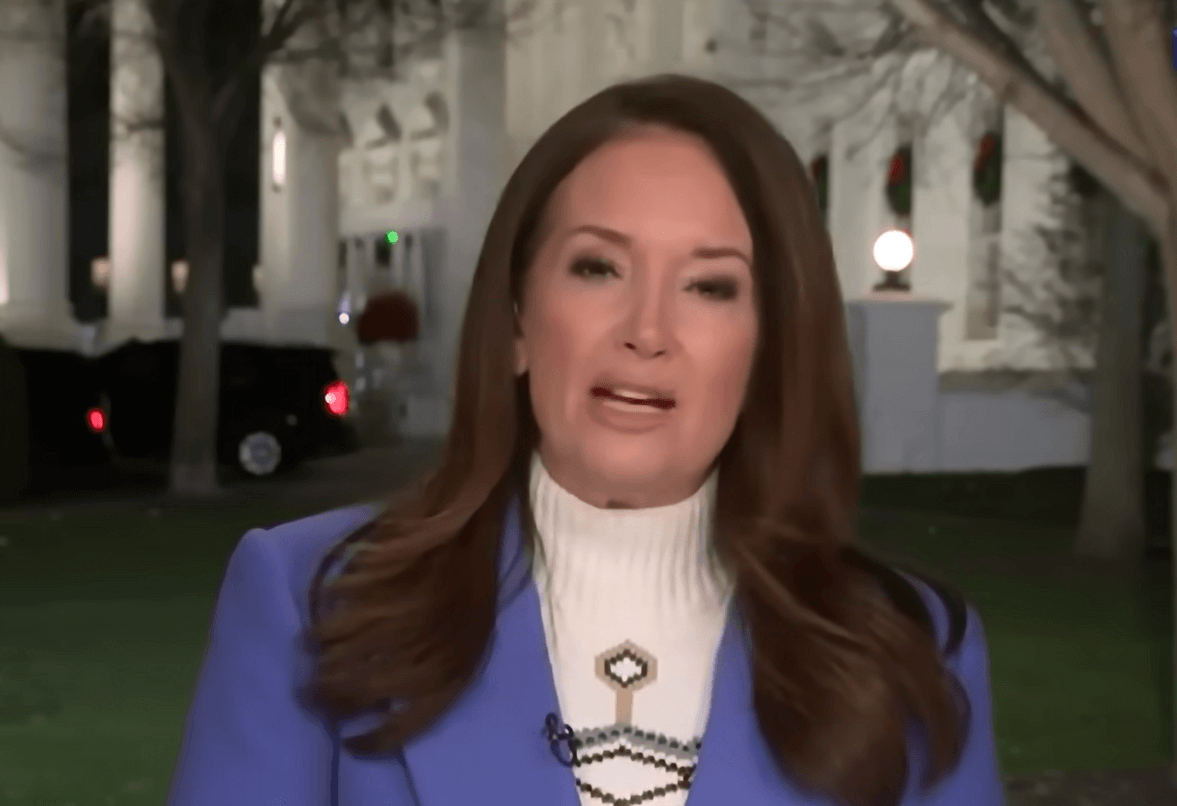
US Agriculture Secretary Brooke Rollinshas triggered a massive row by labelling climate change a 'hoax' while simultaneously blaming record-breaking disasters for surging food costs.
Speaking at a high-stakes press briefing on Tuesday, 5 May 2026, Rollins claimed that the American consumer is being 'punished' by a combination of Biden-era regulations and what she described as 'climate change hoax craziness.'
Standing alongside former Trump advisor Peter Navarro, the Secretary argued that the current discussion of agriculture policy has been hijacked by radical environmentalists.
However, the remarks have drawn immediate fire from critics who noted a glaring contradiction: Rollins explicitly cited the historic Nebraska wildfires and persistent droughts, both major drivers of rising beef prices, as the primary reasons for the current cattle supply crisis.
The Secretary lamented that the recent Nebraska fire, the largest in the state's history, was ignored by the media because it occurred in 'rural America', yet she refused to acknowledge any link to global warming.
The briefing served as a platform for a coordinated attack on the previous administration's environmental legacy.
Peter Navarro reinforced the narrative by alleging that 'Biden vegans' had intentionally withheld millions of acres of federal grazing land, causing an artificial supply squeeze. These Peter Navarro claims about grazing land policy suggest that food inflation is a man-made political crisis rather than an environmental one.
As the beef prices and climate change debate intensify ahead of the next fiscal quarter, the administration appears to be doubling down on a 'production-first' mandate.
By framing US beef prices in 2026 as a battle between ranchers and regulators, Rollins seeks to shift accountability for grocery bills away from environmental stress and onto political opponents.
Rollins's climate change remarks drew immediate attention when she said, 'whether that was through grazing allotments or climate change hoax, craziness,' while discussing factors affecting cattle supply and inflation.
Source: International Business Times UK
