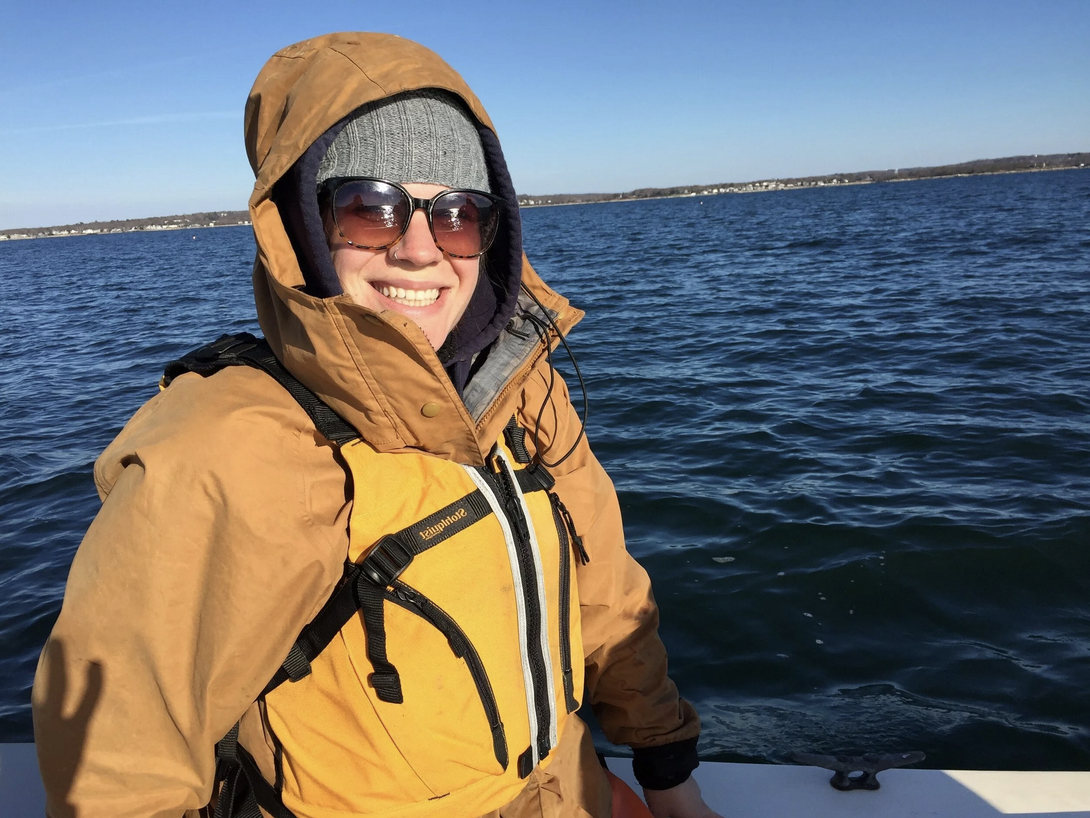
Regenerative ocean farming non-profitGreenWaveputs the cost of starting a 20-acre kelp farm at between $20,000 (£15,800) and $50,000 (£39,500), with a mature operation capable of producing 130,000 pounds of kelp and 250,000 bivalves a year and netting more than $100,000 (£79,000). Suzie Flores has been running that model in Connecticut since 2018. She sells out every season.
Flores is founder and owner of Stonington Kelp Company, now the largest commercial seaweed farm in Connecticut and in its eighth consecutive harvest season. Speaking to the Ocean Community Chamber of Commerce in aMarch 2025 interview, she said the farm runs at roughly 50% of its licensed growing capacity and that chefs at two consecutive James Beard Best Overall Chef-winning kitchens are regular buyers. Supply, not demand, is the constraint.
Nine in every ten pounds of seaweed consumed in the United States comes from Asian producers,the BBCreported.
Most American consumers are already buying it without knowing. Seaweed derivatives sit inside ice cream, toothpaste and a wide range of processed foods as thickening agents, Flores noted in the March interview. 'What we're really trying to do is bring up a domestic market for seaweed,' she said. 'So it can be an actual commodity that we grow here, not just in the United States but in southern New England.'
GreenWave structures the financial case around the off-season. Sugar kelp grows from November through to April, making it compatible with existing seasonal livelihoods. Lobster fishers, oyster farmers and coastal guides can run kelp lines using equipment they already own, the non-profit states.
Flores runs her own workboat as a beach vessel over summer once the harvest is in. 'If you're a recreational boater in the community, you don't see my farm at all,' she said. 'It's out of the water.'
GreenWave's Kelp Climate Fund adds a second income stream on top of harvest sales. The programme pays farmers directly for the environmental value of their operations including carbon removal, nitrogen absorption and reef restoration. The fund reached $540,000 (£426,600) for the 2023-24 growing season, covering more than 45 farms, with individual operations eligible for payments of up to $25,000 (£19,750).
The non-profit has trained more than 3,500 ocean farmers and hatchery technicians since 2017, and Flores appears in its official 'How to Start a Kelp Farm' training curriculum.
On the cost side, kelp is a zero-input crop. It grows on submerged ropes without fresh water, arable land or fertiliser. As it grows, it absorbs excess nitrogen from surrounding water, which means the farm improves the environment it operates in.
Before the farm, Flores was a market development executive at a Manhattan academic publishing firm. She and her husband Jay Douglass, a military veteran and former combat photographer, relocated to the Stonington area of Connecticut around 2014. They bought a run-down marina on the Pawcatuck River and broke ground on renovations in 2016,running their first dock seasonthe following year while living at his family's farm during construction.
Source: International Business Times UK
