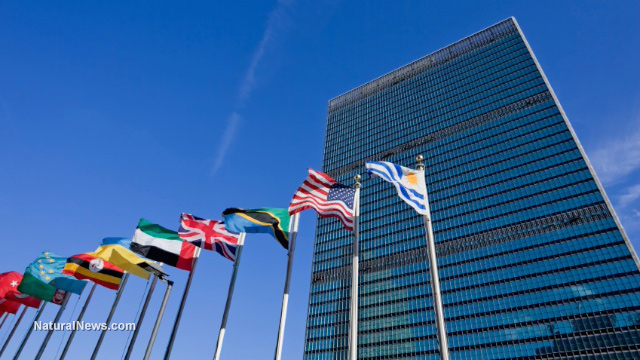
U.N. Secretary-General Antonio Guterres declared that billions in U.S. assessed contributions are legally binding and cannot be tied to reform conditions.Washington reportedly circulated diplomatic notes demanding nine âquick-hitâ reforms, including cost-cutting measures and limits on Chinese influence.Proposed U.S. conditions include pension system overhaul, travel restrictions, senior staff cuts, and blocking China from discretionary funds.Guterres acknowledged ongoing reform efforts but insisted funding obligations and structural changes must remain separate issues.U.N. faces severe financial strain, with the United States having paid only $160 million of more than $4 billion owed as of February.
Washington reportedly circulated diplomatic notes demanding nine âquick-hitâ reforms, including cost-cutting measures and limits on Chinese influence.Proposed U.S. conditions include pension system overhaul, travel restrictions, senior staff cuts, and blocking China from discretionary funds.Guterres acknowledged ongoing reform efforts but insisted funding obligations and structural changes must remain separate issues.U.N. faces severe financial strain, with the United States having paid only $160 million of more than $4 billion owed as of February.
Proposed U.S. conditions include pension system overhaul, travel restrictions, senior staff cuts, and blocking China from discretionary funds.Guterres acknowledged ongoing reform efforts but insisted funding obligations and structural changes must remain separate issues.U.N. faces severe financial strain, with the United States having paid only $160 million of more than $4 billion owed as of February.
Guterres acknowledged ongoing reform efforts but insisted funding obligations and structural changes must remain separate issues.U.N. faces severe financial strain, with the United States having paid only $160 million of more than $4 billion owed as of February.
U.N. faces severe financial strain, with the United States having paid only $160 million of more than $4 billion owed as of February.
Why this dispute matters nowThe United Nations is facing what Secretary-General Antonio Guterres described in January as âimminent financial collapse,â with the United Statesâthe organizationâs largest contributorâowing more than $4 billion in assessed dues. Guterres responded to reports that Washington has placed conditions on releasing further funding, declaring that member-state obligations are ânon-negotiableâ and cannot be linked to policy demands. The standoff raises fundamental questions about the future of multilateral governance, U.S. leadership within international institutions, and the balance between financial accountability and diplomatic leverage.The funding standoff: What the U.S. is demandingAccording to a report from the development newswire Devex, U.S. officials circulated two diplomatic notes proposing a series of reforms as prerequisites for releasing additional U.N. funding. The proposals, described as âquick-hitâ changes, target multiple areas of the organizationâs operations and governance.The reported conditions include:Overhauling the U.N. pension systemEnding long-distance business-class travel for senior and mid-level professionalsAdditional cuts to senior U.N. leadership positionsA 10% reduction in long-running and ineffective peacekeeping missionsBlocking China from channeling tens of millions of dollars annually to a discretionary fund housed in the secretary-generalâs officeThe final condition reflects growing U.S. concern over Chinese influence within the United Nations, where Beijing has increasingly used financial contributions to expand its diplomatic footprint. The Trump administration and subsequent U.S. leadership have made countering Chinese influence a central priority across international institutions.Guterres draws a lineResponding to questions from reporters on April 30, Guterres made clear that the United Nations would not accept conditions on assessed contributionsâthe mandatory dues that member states are legally obligated to pay under the U.N. Charter.âThe money we are talking about is referred to as assessed contributions,â Guterres said. âAssessed contributions are an obligation of member states. They are non-negotiable.âThe secretary-general acknowledged that the U.N. has been pursuing internal reforms under pressure from member states, including the United States. He expressed commitment to making the organization âas effective and as cost-effective and as able to deliver for the people we care for.âHowever, he drew a firm distinction between voluntary efficiency measures and mandatory financial obligations. âThese are two separate things,â he added.The remarks signal that the United Nations will not allow Washington to use its financial leverage to dictate structural changes, even as the organization struggles with liquidity problems.A recurring patternThe funding dispute is not unprecedented. The United States has historically used its position as the largest U.N. contributor to push for reforms, sometimes withholding payments to pressure the organization. In the 1990s, Congress delayed dues payments as part of efforts to force administrative changes. The pattern has continued in recent years, with the U.S. reducing funding to several U.N.-affiliated bodies.What makes the current situation different is the scale. The United States owes more than $4 billion, representing a significant portion of the U.N.âs operating budget. Guterres warned in January that the organization faced âimminent financial collapseâ due to unpaid fees, with the U.S. accounting for the majority of arrears.The dispute also reflects a broader shift in U.S. foreign policy. Washington has withdrawn from several U.N. bodies this year and cut millions in funding last year, signaling a more transactional approach to multilateral engagement. Critics argue this undermines American influence; supporters say it forces needed accountability.The China factorThe reported U.S. demand to block China from directing discretionary funds to the secretary-generalâs office highlights a central geopolitical tension. China has increased its financial contributions to the United Nations in recent years, using funding to expand its influence across U.N. agencies and programs.The U.S. proposal seeks to limit Beijingâs ability to shape U.N. priorities through discretionary funding. The move reflects broader concerns about Chinaâs growing role in international institutions, where it has positioned itself as an alternative to Western-led governance models.The demand also creates a potential dilemma for the United Nations. Accepting U.S. conditions could alienate China, a major contributor. Rejecting them could further strain relations with Washington.A test of multilateral governanceThe funding standoff between the United States and the United Nations represents a critical test for the international system. The outcome will determine whether the U.N. can maintain its operational independence while satisfying its largest donor, and whether the U.S. can balance its reform demands with its obligations as a founding member.Guterres has made clear that assessed contributions are not bargaining chips. But the financial pressure is real. As the U.N. approaches potential liquidity crises, the question becomes whether Washington will ultimately pay its dues without conditionsâor whether the institution will be forced to accept reforms it considers beyond negotiation.The stakes extend beyond budgets and bureaucratic changes. The dispute touches on the fundamental principle of whether international law and treaty obligations remain binding when major powers find them inconvenient. For a world facing conflicts, climate change, and global health challenges, the answer carries consequences far beyond New York.Sources for this article include:YourNews.comDevex.comReuters.comArise.tv
The United Nations is facing what Secretary-General Antonio Guterres described in January as âimminent financial collapse,â with the United Statesâthe organizationâs largest contributorâowing more than $4 billion in assessed dues. Guterres responded to reports that Washington has placed conditions on releasing further funding, declaring that member-state obligations are ânon-negotiableâ and cannot be linked to policy demands. The standoff raises fundamental questions about the future of multilateral governance, U.S. leadership within international institutions, and the balance between financial accountability and diplomatic leverage.The funding standoff: What the U.S. is demandingAccording to a report from the development newswire Devex, U.S. officials circulated two diplomatic notes proposing a series of reforms as prerequisites for releasing additional U.N. funding. The proposals, described as âquick-hitâ changes, target multiple areas of the organizationâs operations and governance.The reported conditions include:Overhauling the U.N. pension systemEnding long-distance business-class travel for senior and mid-level professionalsAdditional cuts to senior U.N. leadership positionsA 10% reduction in long-running and ineffective peacekeeping missionsBlocking China from channeling tens of millions of dollars annually to a discretionary fund housed in the secretary-generalâs officeThe final condition reflects growing U.S. concern over Chinese influence within the United Nations, where Beijing has increasingly used financial contributions to expand its diplomatic footprint. The Trump administration and subsequent U.S. leadership have made countering Chinese influence a central priority across international institutions.Guterres draws a lineResponding to questions from reporters on April 30, Guterres made clear that the United Nations would not accept conditions on assessed contributionsâthe mandatory dues that member states are legally obligated to pay under the U.N. Charter.âThe money we are talking about is referred to as assessed contributions,â Guterres said. âAssessed contributions are an obligation of member states. They are non-negotiable.âThe secretary-general acknowledged that the U.N. has been pursuing internal reforms under pressure from member states, including the United States. He expressed commitment to making the organization âas effective and as cost-effective and as able to deliver for the people we care for.âHowever, he drew a firm distinction between voluntary efficiency measures and mandatory financial obligations. âThese are two separate things,â he added.The remarks signal that the United Nations will not allow Washington to use its financial leverage to dictate structural changes, even as the organization struggles with liquidity problems.A recurring patternThe funding dispute is not unprecedented. The United States has historically used its position as the largest U.N. contributor to push for reforms, sometimes withholding payments to pressure the organization. In the 1990s, Congress delayed dues payments as part of efforts to force administrative changes. The pattern has continued in recent years, with the U.S. reducing funding to several U.N.-affiliated bodies.What makes the current situation different is the scale. The United States owes more than $4 billion, representing a significant portion of the U.N.âs operating budget. Guterres warned in January that the organization faced âimminent financial collapseâ due to unpaid fees, with the U.S. accounting for the majority of arrears.The dispute also reflects a broader shift in U.S. foreign policy. Washington has withdrawn from several U.N. bodies this year and cut millions in funding last year, signaling a more transactional approach to multilateral engagement. Critics argue this undermines American influence; supporters say it forces needed accountability.The China factorThe reported U.S. demand to block China from directing discretionary funds to the secretary-generalâs office highlights a central geopolitical tension. China has increased its financial contributions to the United Nations in recent years, using funding to expand its influence across U.N. agencies and programs.The U.S. proposal seeks to limit Beijingâs ability to shape U.N. priorities through discretionary funding. The move reflects broader concerns about Chinaâs growing role in international institutions, where it has positioned itself as an alternative to Western-led governance models.The demand also creates a potential dilemma for the United Nations. Accepting U.S. conditions could alienate China, a major contributor. Rejecting them could further strain relations with Washington.A test of multilateral governanceThe funding standoff between the United States and the United Nations represents a critical test for the international system. The outcome will determine whether the U.N. can maintain its operational independence while satisfying its largest donor, and whether the U.S. can balance its reform demands with its obligations as a founding member.Guterres has made clear that assessed contributions are not bargaining chips. But the financial pressure is real. As the U.N. approaches potential liquidity crises, the question becomes whether Washington will ultimately pay its dues without conditionsâor whether the institution will be forced to accept reforms it considers beyond negotiation.The stakes extend beyond budgets and bureaucratic changes. The dispute touches on the fundamental principle of whether international law and treaty obligations remain binding when major powers find them inconvenient. For a world facing conflicts, climate change, and global health challenges, the answer carries consequences far beyond New York.Sources for this article include:YourNews.comDevex.comReuters.comArise.tv
The funding standoff: What the U.S. is demandingAccording to a report from the development newswire Devex, U.S. officials circulated two diplomatic notes proposing a series of reforms as prerequisites for releasing additional U.N. funding. The proposals, described as âquick-hitâ changes, target multiple areas of the organizationâs operations and governance.The reported conditions include:Overhauling the U.N. pension systemEnding long-distance business-class travel for senior and mid-level professionalsAdditional cuts to senior U.N. leadership positionsA 10% reduction in long-running and ineffective peacekeeping missionsBlocking China from channeling tens of millions of dollars annually to a discretionary fund housed in the secretary-generalâs officeThe final condition reflects growing U.S. concern over Chinese influence within the United Nations, where Beijing has increasingly used financial contributions to expand its diplomatic footprint. The Trump administration and subsequent U.S. leadership have made countering Chinese influence a central priority across international institutions.Guterres draws a lineResponding to questions from reporters on April 30, Guterres made clear that the United Nations would not accept conditions on assessed contributionsâthe mandatory dues that member states are legally obligated to pay under the U.N. Charter.âThe money we are talking about is referred to as assessed contributions,â Guterres said. âAssessed contributions are an obligation of member states. They are non-negotiable.âThe secretary-general acknowledged that the U.N. has been pursuing internal reforms under pressure from member states, including the United States. He expressed commitment to making the organization âas effective and as cost-effective and as able to deliver for the people we care for.âHowever, he drew a firm distinction between voluntary efficiency measures and mandatory financial obligations. âThese are two separate things,â he added.The remarks signal that the United Nations will not allow Washington to use its financial leverage to dictate structural changes, even as the organization struggles with liquidity problems.A recurring patternThe funding dispute is not unprecedented. The United States has historically used its position as the largest U.N. contributor to push for reforms, sometimes withholding payments to pressure the organization. In the 1990s, Congress delayed dues payments as part of efforts to force administrative changes. The pattern has continued in recent years, with the U.S. reducing funding to several U.N.-affiliated bodies.What makes the current situation different is the scale. The United States owes more than $4 billion, representing a significant portion of the U.N.âs operating budget. Guterres warned in January that the organization faced âimminent financial collapseâ due to unpaid fees, with the U.S. accounting for the majority of arrears.The dispute also reflects a broader shift in U.S. foreign policy. Washington has withdrawn from several U.N. bodies this year and cut millions in funding last year, signaling a more transactional approach to multilateral engagement. Critics argue this undermines American influence; supporters say it forces needed accountability.The China factorThe reported U.S. demand to block China from directing discretionary funds to the secretary-generalâs office highlights a central geopolitical tension. China has increased its financial contributions to the United Nations in recent years, using funding to expand its influence across U.N. agencies and programs.The U.S. proposal seeks to limit Beijingâs ability to shape U.N. priorities through discretionary funding. The move reflects broader concerns about Chinaâs growing role in international institutions, where it has positioned itself as an alternative to Western-led governance models.The demand also creates a potential dilemma for the United Nations. Accepting U.S. conditions could alienate China, a major contributor. Rejecting them could further strain relations with Washington.A test of multilateral governanceThe funding standoff between the United States and the United Nations represents a critical test for the international system. The outcome will determine whether the U.N. can maintain its operational independence while satisfying its largest donor, and whether the U.S. can balance its reform demands with its obligations as a founding member.Guterres has made clear that assessed contributions are not bargaining chips. But the financial pressure is real. As the U.N. approaches potential liquidity crises, the question becomes whether Washington will ultimately pay its dues without conditionsâor whether the institution will be forced to accept reforms it considers beyond negotiation.The stakes extend beyond budgets and bureaucratic changes. The dispute touches on the fundamental principle of whether international law and treaty obligations remain binding when major powers find them inconvenient. For a world facing conflicts, climate change, and global health challenges, the answer carries consequences far beyond New York.Sources for this article include:YourNews.comDevex.comReuters.comArise.tv
According to a report from the development newswire Devex, U.S. officials circulated two diplomatic notes proposing a series of reforms as prerequisites for releasing additional U.N. funding. The proposals, described as âquick-hitâ changes, target multiple areas of the organizationâs operations and governance.The reported conditions include:Overhauling the U.N. pension systemEnding long-distance business-class travel for senior and mid-level professionalsAdditional cuts to senior U.N. leadership positionsA 10% reduction in long-running and ineffective peacekeeping missionsBlocking China from channeling tens of millions of dollars annually to a discretionary fund housed in the secretary-generalâs officeThe final condition reflects growing U.S. concern over Chinese influence within the United Nations, where Beijing has increasingly used financial contributions to expand its diplomatic footprint. The Trump administration and subsequent U.S. leadership have made countering Chinese influence a central priority across international institutions.Guterres draws a lineResponding to questions from reporters on April 30, Guterres made clear that the United Nations would not accept conditions on assessed contributionsâthe mandatory dues that member states are legally obligated to pay under the U.N. Charter.âThe money we are talking about is referred to as assessed contributions,â Guterres said. âAssessed contributions are an obligation of member states. They are non-negotiable.âThe secretary-general acknowledged that the U.N. has been pursuing internal reforms under pressure from member states, including the United States. He expressed commitment to making the organization âas effective and as cost-effective and as able to deliver for the people we care for.âHowever, he drew a firm distinction between voluntary efficiency measures and mandatory financial obligations. âThese are two separate things,â he added.The remarks signal that the United Nations will not allow Washington to use its financial leverage to dictate structural changes, even as the organization struggles with liquidity problems.A recurring patternThe funding dispute is not unprecedented. The United States has historically used its position as the largest U.N. contributor to push for reforms, sometimes withholding payments to pressure the organization. In the 1990s, Congress delayed dues payments as part of efforts to force administrative changes. The pattern has continued in recent years, with the U.S. reducing funding to several U.N.-affiliated bodies.What makes the current situation different is the scale. The United States owes more than $4 billion, representing a significant portion of the U.N.âs operating budget. Guterres warned in January that the organization faced âimminent financial collapseâ due to unpaid fees, with the U.S. accounting for the majority of arrears.The dispute also reflects a broader shift in U.S. foreign policy. Washington has withdrawn from several U.N. bodies this year and cut millions in funding last year, signaling a more transactional approach to multilateral engagement. Critics argue this undermines American influence; supporters say it forces needed accountability.The China factorThe reported U.S. demand to block China from directing discretionary funds to the secretary-generalâs office highlights a central geopolitical tension. China has increased its financial contributions to the United Nations in recent years, using funding to expand its influence across U.N. agencies and programs.The U.S. proposal seeks to limit Beijingâs ability to shape U.N. priorities through discretionary funding. The move reflects broader concerns about Chinaâs growing role in international institutions, where it has positioned itself as an alternative to Western-led governance models.The demand also creates a potential dilemma for the United Nations. Accepting U.S. conditions could alienate China, a major contributor. Rejecting them could further strain relations with Washington.A test of multilateral governanceThe funding standoff between the United States and the United Nations represents a critical test for the international system. The outcome will determine whether the U.N. can maintain its operational independence while satisfying its largest donor, and whether the U.S. can balance its reform demands with its obligations as a founding member.Guterres has made clear that assessed contributions are not bargaining chips. But the financial pressure is real. As the U.N. approaches potential liquidity crises, the question becomes whether Washington will ultimately pay its dues without conditionsâor whether the institution will be forced to accept reforms it considers beyond negotiation.The stakes extend beyond budgets and bureaucratic changes. The dispute touches on the fundamental principle of whether international law and treaty obligations remain binding when major powers find them inconvenient. For a world facing conflicts, climate change, and global health challenges, the answer carries consequences far beyond New York.Sources for this article include:YourNews.comDevex.comReuters.comArise.tv
The reported conditions include:Overhauling the U.N. pension systemEnding long-distance business-class travel for senior and mid-level professionalsAdditional cuts to senior U.N. leadership positionsA 10% reduction in long-running and ineffective peacekeeping missionsBlocking China from channeling tens of millions of dollars annually to a discretionary fund housed in the secretary-generalâs officeThe final condition reflects growing U.S. concern over Chinese influence within the United Nations, where Beijing has increasingly used financial contributions to expand its diplomatic footprint. The Trump administration and subsequent U.S. leadership have made countering Chinese influence a central priority across international institutions.Guterres draws a lineResponding to questions from reporters on April 30, Guterres made clear that the United Nations would not accept conditions on assessed contributionsâthe mandatory dues that member states are legally obligated to pay under the U.N. Charter.âThe money we are talking about is referred to as assessed contributions,â Guterres said. âAssessed contributions are an obligation of member states. They are non-negotiable.âThe secretary-general acknowledged that the U.N. has been pursuing internal reforms under pressure from member states, including the United States. He expressed commitment to making the organization âas effective and as cost-effective and as able to deliver for the people we care for.âHowever, he drew a firm distinction between voluntary efficiency measures and mandatory financial obligations. âThese are two separate things,â he added.The remarks signal that the United Nations will not allow Washington to use its financial leverage to dictate structural changes, even as the organization struggles with liquidity problems.A recurring patternThe funding dispute is not unprecedented. The United States has historically used its position as the largest U.N. contributor to push for reforms, sometimes withholding payments to pressure the organization. In the 1990s, Congress delayed dues payments as part of efforts to force administrative changes. The pattern has continued in recent years, with the U.S. reducing funding to several U.N.-affiliated bodies.What makes the current situation different is the scale. The United States owes more than $4 billion, representing a significant portion of the U.N.âs operating budget. Guterres warned in January that the organization faced âimminent financial collapseâ due to unpaid fees, with the U.S. accounting for the majority of arrears.The dispute also reflects a broader shift in U.S. foreign policy. Washington has withdrawn from several U.N. bodies this year and cut millions in funding last year, signaling a more transactional approach to multilateral engagement. Critics argue this undermines American influence; supporters say it forces needed accountability.The China factorThe reported U.S. demand to block China from directing discretionary funds to the secretary-generalâs office highlights a central geopolitical tension. China has increased its financial contributions to the United Nations in recent years, using funding to expand its influence across U.N. agencies and programs.The U.S. proposal seeks to limit Beijingâs ability to shape U.N. priorities through discretionary funding. The move reflects broader concerns about Chinaâs growing role in international institutions, where it has positioned itself as an alternative to Western-led governance models.The demand also creates a potential dilemma for the United Nations. Accepting U.S. conditions could alienate China, a major contributor. Rejecting them could further strain relations with Washington.A test of multilateral governanceThe funding standoff between the United States and the United Nations represents a critical test for the international system. The outcome will determine whether the U.N. can maintain its operational independence while satisfying its largest donor, and whether the U.S. can balance its reform demands with its obligations as a founding member.Guterres has made clear that assessed contributions are not bargaining chips. But the financial pressure is real. As the U.N. approaches potential liquidity crises, the question becomes whether Washington will ultimately pay its dues without conditionsâor whether the institution will be forced to accept reforms it considers beyond negotiation.The stakes extend beyond budgets and bureaucratic changes. The dispute touches on the fundamental principle of whether international law and treaty obligations remain binding when major powers find them inconvenient. For a world facing conflicts, climate change, and global health challenges, the answer carries consequences far beyond New York.Sources for this article include:YourNews.comDevex.comReuters.comArise.tv
Source: NaturalNews.com