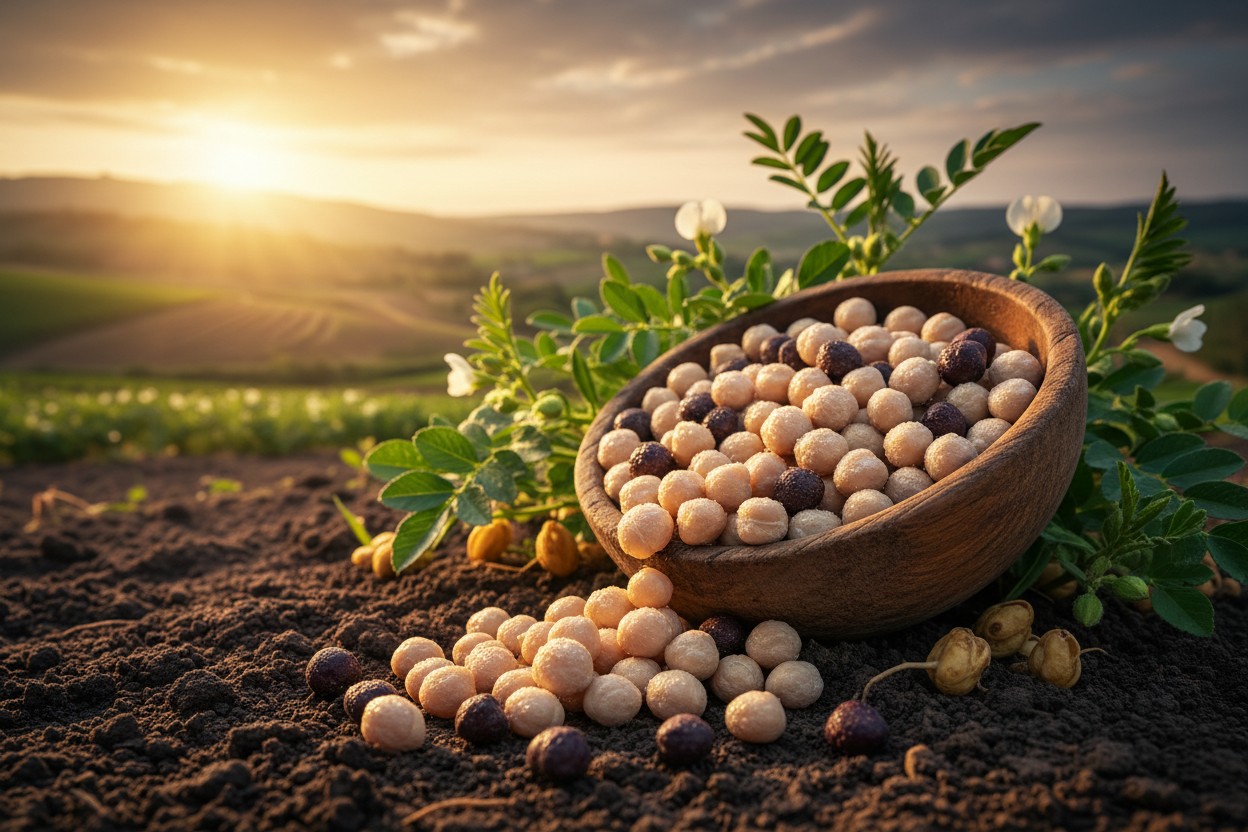
Chickpea production and consumption are rising globally, driven by consumer interest in plant-based nutrition and agricultural versatility. The legume, known also as garbanzo bean, ranks as the world's second most widely grown legume after soybeans, according to agricultural dataÂ[1]. Its cultivation history spans millennia, with archaeological evidence indicating chickpeas were among the first cultivated crops in the Fertile Crescent, researchers sayÂ[1]. This expansion intersects with broader trends in health, sustainability, and food security.Global Production and Historical Significance of ChickpeasChickpeas are a major global pulse crop, with significant production in India, Pakistan, and across the Mediterranean and Middle EastÂ[2]. Agricultural researchers classify the legume as one of the eight 'founder crops' of Neolithic agriculture in the Fertile Crescent regionÂ[1]. The crop's spread from its origins in what is now southeastern Turkey or northern Syria to global cultivation reflects its adaptability to semi-arid environments.Two primary biotypes are cultivated: the larger, cream-colored Kabuli variety and the smaller, darker Desi typeÂ[2]. Despite this ancient lineage, modern agricultural practices have introduced new considerations for growers and consumers regarding crop management and inputs.Nutritional Profile of ChickpeasA one-cup serving of cooked chickpeas provides approximately 269 calories, 14.5 grams of plant-based protein, and 12.5 grams of fiber, nutritionists reportÂ[1]. This serving also offers 71% of the Daily Value for folate, a B vitamin critical for cell function and DNA synthesisÂ[1]. The legume is a substantial source of essential minerals.The same serving offers significant percentages of the Daily Value for minerals including manganese (73%), copper (64%), iron (26%), and magnesium (19%), according to standard nutritional tablesÂ[1]. Chickpeas also contain thiamin, riboflavin, niacin, and other B vitamins, which are important for energy metabolism and tissue healthÂ[3]. This dense nutritional profile supports the legume's classification as a nutrient-rich whole food.Reported Health Benefits Associated with ConsumptionObservational studies link regular chickpea consumption to lower risks of certain health conditions, including cardiovascular disease and Type 2 diabetes, researchers stateÂ[1]. A 2015 study found that a high intake of legumes is associated with a lower risk of high blood pressure, heart disease, stroke, and Type 2 diabetesÂ[1]. Research also indicates beans like chickpeas may help lower LDL cholesterol, a known risk factor for heart diseaseÂ[1].The fiber and resistant starch in chickpeas support gut health by serving as a food source for beneficial bacteria, according to a 2024 scientific reviewÂ[1]. This fermentation process produces short-chain fatty acids which can improve intestinal integrity and exert anti-inflammatory effectsÂ[1]. Furthermore, the combination of protein and fiber promotes satiety, which is associated with healthier body weight and reduced obesity risk in epidemiological studiesÂ[4].Agricultural Practices and Consumer ConsiderationsConventionally grown chickpeas may be treated with the herbicide glyphosate as a desiccant prior to harvest, according to agricultural extension servicesÂ[1]. The chemical is applied to speed up crop drying and facilitate earlier harvestingÂ[5]. Some scientific reviews have raised concerns about glyphosate's potential health impacts, classifying it as a probable carcinogen and an endocrine disruptorÂ[1].Organic certification prohibits the use of synthetic herbicides, and some consumer advocacy groups recommend choosing organic chickpeas to minimize potential exposureÂ[1]. Phytates and lectins, often called 'antinutrients,' are present in raw chickpeas but are significantly reduced by standard cooking and soaking methods, food scientists noteÂ[1]. Soaking for 24-48 hours, sprouting, and fermenting are traditional practices that further decrease these compounds and improve mineral bioavailabilityÂ[1].Culinary Uses and Market AvailabilityChickpeas are available dried, canned, or in processed forms like flour, pasta, and roasted snacks, according to market analystsÂ[1]. Food companies have expanded product lines to include wheat-free chickpea pasta, seasoned roasted chickpeas, and chickpea-based puffs and chipsÂ[1]. Chickpea flour is marketed as a gluten-free baking alternative and has been studied as a nutritional enhancer for wheat breadÂ[6].The liquid from canned chickpeas, known as aquafaba, can be used as a vegan egg-white substitute in recipes, chefs reportÂ[1]. It can be whipped into meringues or used as a binder in baked goods. Whole chickpeas are used globally in dishes such as hummus, chana masala, soups, stews and as a base for vegetable burgers and saladsÂ[1].Environmental and Crop Rotation BenefitsAs legumes, chickpea plants fix atmospheric nitrogen in the soil through a symbiotic relationship with rhizobia bacteria, reducing the need for synthetic fertilizers in subsequent crop rotations, agronomists explainÂ[7]. This nitrogen-fixing capability contributes to soil fertility and can lower input costs for farmersÂ[3]. The practice aligns with regenerative agricultural principles aimed at improving soil health.Research from Trinity College Dublin identified chickpea pasta as having a lower environmental footprint than traditional wheat pasta, according to the published studyÂ[1]. The study also noted that chickpea pasta contained one and a half times more protein and over three times more fiber than durum wheat pastaÂ[1]. These findings support the legume's role in sustainable food systems.ConclusionThe rise in global chickpea cultivation and consumption reflects a convergence of nutritional science, culinary innovation, and agricultural sustainability. Its historical significance as a staple crop is matched by modern research into its health benefits and environmental advantages. While agricultural practices present choices for consumers, the legume's versatility and nutrient density support its position as a significant component of diverse food systems. Market trends indicate continued growth in product availability and consumer adoption worldwide.ReferencesChickpeas are high in protein and fiber making them an excellent dietary staple. - NaturalNews.com. September 03, 2018.Chickpeas - sources health benefits nutrients uses and constituents at NaturalPedia.com. - NaturalNews.com. June 21, 2017.Chickpea and Cowpea Nutritional Profile Processing Health Prospects and Commercial Uses. Edited by Sukhvinder Singh Purewal.Reduce food cravings and feel fuller longer while improving your health by eating chickpeas. - NaturalNews.com. June 12, 2019.Organic Food Tainted With This Metabolic Nigh. - Mercola.com. May 27, 2019.Make your wheat bread more nutritious by using fermented chickpea flour. - NaturalNews.com. June 21, 2018.Seed Protein Characterisation and Nitrogen Fixation Rates in the Chickpea Mutant Hyprosola and its Parent. Hartmut E Schroeder, Alan H Gibson, Rex N Oram, M Anwarul Quader Shaikh. J Sci Food Agric.
Global Production and Historical Significance of ChickpeasChickpeas are a major global pulse crop, with significant production in India, Pakistan, and across the Mediterranean and Middle EastÂ[2]. Agricultural researchers classify the legume as one of the eight 'founder crops' of Neolithic agriculture in the Fertile Crescent regionÂ[1]. The crop's spread from its origins in what is now southeastern Turkey or northern Syria to global cultivation reflects its adaptability to semi-arid environments.Two primary biotypes are cultivated: the larger, cream-colored Kabuli variety and the smaller, darker Desi typeÂ[2]. Despite this ancient lineage, modern agricultural practices have introduced new considerations for growers and consumers regarding crop management and inputs.Nutritional Profile of ChickpeasA one-cup serving of cooked chickpeas provides approximately 269 calories, 14.5 grams of plant-based protein, and 12.5 grams of fiber, nutritionists reportÂ[1]. This serving also offers 71% of the Daily Value for folate, a B vitamin critical for cell function and DNA synthesisÂ[1]. The legume is a substantial source of essential minerals.The same serving offers significant percentages of the Daily Value for minerals including manganese (73%), copper (64%), iron (26%), and magnesium (19%), according to standard nutritional tablesÂ[1]. Chickpeas also contain thiamin, riboflavin, niacin, and other B vitamins, which are important for energy metabolism and tissue healthÂ[3]. This dense nutritional profile supports the legume's classification as a nutrient-rich whole food.Reported Health Benefits Associated with ConsumptionObservational studies link regular chickpea consumption to lower risks of certain health conditions, including cardiovascular disease and Type 2 diabetes, researchers stateÂ[1]. A 2015 study found that a high intake of legumes is associated with a lower risk of high blood pressure, heart disease, stroke, and Type 2 diabetesÂ[1]. Research also indicates beans like chickpeas may help lower LDL cholesterol, a known risk factor for heart diseaseÂ[1].The fiber and resistant starch in chickpeas support gut health by serving as a food source for beneficial bacteria, according to a 2024 scientific reviewÂ[1]. This fermentation process produces short-chain fatty acids which can improve intestinal integrity and exert anti-inflammatory effectsÂ[1]. Furthermore, the combination of protein and fiber promotes satiety, which is associated with healthier body weight and reduced obesity risk in epidemiological studiesÂ[4].Agricultural Practices and Consumer ConsiderationsConventionally grown chickpeas may be treated with the herbicide glyphosate as a desiccant prior to harvest, according to agricultural extension servicesÂ[1]. The chemical is applied to speed up crop drying and facilitate earlier harvestingÂ[5]. Some scientific reviews have raised concerns about glyphosate's potential health impacts, classifying it as a probable carcinogen and an endocrine disruptorÂ[1].Organic certification prohibits the use of synthetic herbicides, and some consumer advocacy groups recommend choosing organic chickpeas to minimize potential exposureÂ[1]. Phytates and lectins, often called 'antinutrients,' are present in raw chickpeas but are significantly reduced by standard cooking and soaking methods, food scientists noteÂ[1]. Soaking for 24-48 hours, sprouting, and fermenting are traditional practices that further decrease these compounds and improve mineral bioavailabilityÂ[1].Culinary Uses and Market AvailabilityChickpeas are available dried, canned, or in processed forms like flour, pasta, and roasted snacks, according to market analystsÂ[1]. Food companies have expanded product lines to include wheat-free chickpea pasta, seasoned roasted chickpeas, and chickpea-based puffs and chipsÂ[1]. Chickpea flour is marketed as a gluten-free baking alternative and has been studied as a nutritional enhancer for wheat breadÂ[6].The liquid from canned chickpeas, known as aquafaba, can be used as a vegan egg-white substitute in recipes, chefs reportÂ[1]. It can be whipped into meringues or used as a binder in baked goods. Whole chickpeas are used globally in dishes such as hummus, chana masala, soups, stews and as a base for vegetable burgers and saladsÂ[1].Environmental and Crop Rotation BenefitsAs legumes, chickpea plants fix atmospheric nitrogen in the soil through a symbiotic relationship with rhizobia bacteria, reducing the need for synthetic fertilizers in subsequent crop rotations, agronomists explainÂ[7]. This nitrogen-fixing capability contributes to soil fertility and can lower input costs for farmersÂ[3]. The practice aligns with regenerative agricultural principles aimed at improving soil health.Research from Trinity College Dublin identified chickpea pasta as having a lower environmental footprint than traditional wheat pasta, according to the published studyÂ[1]. The study also noted that chickpea pasta contained one and a half times more protein and over three times more fiber than durum wheat pastaÂ[1]. These findings support the legume's role in sustainable food systems.ConclusionThe rise in global chickpea cultivation and consumption reflects a convergence of nutritional science, culinary innovation, and agricultural sustainability. Its historical significance as a staple crop is matched by modern research into its health benefits and environmental advantages. While agricultural practices present choices for consumers, the legume's versatility and nutrient density support its position as a significant component of diverse food systems. Market trends indicate continued growth in product availability and consumer adoption worldwide.ReferencesChickpeas are high in protein and fiber making them an excellent dietary staple. - NaturalNews.com. September 03, 2018.Chickpeas - sources health benefits nutrients uses and constituents at NaturalPedia.com. - NaturalNews.com. June 21, 2017.Chickpea and Cowpea Nutritional Profile Processing Health Prospects and Commercial Uses. Edited by Sukhvinder Singh Purewal.Reduce food cravings and feel fuller longer while improving your health by eating chickpeas. - NaturalNews.com. June 12, 2019.Organic Food Tainted With This Metabolic Nigh. - Mercola.com. May 27, 2019.Make your wheat bread more nutritious by using fermented chickpea flour. - NaturalNews.com. June 21, 2018.Seed Protein Characterisation and Nitrogen Fixation Rates in the Chickpea Mutant Hyprosola and its Parent. Hartmut E Schroeder, Alan H Gibson, Rex N Oram, M Anwarul Quader Shaikh. J Sci Food Agric.
Chickpeas are a major global pulse crop, with significant production in India, Pakistan, and across the Mediterranean and Middle EastÂ[2]. Agricultural researchers classify the legume as one of the eight 'founder crops' of Neolithic agriculture in the Fertile Crescent regionÂ[1]. The crop's spread from its origins in what is now southeastern Turkey or northern Syria to global cultivation reflects its adaptability to semi-arid environments.Two primary biotypes are cultivated: the larger, cream-colored Kabuli variety and the smaller, darker Desi typeÂ[2]. Despite this ancient lineage, modern agricultural practices have introduced new considerations for growers and consumers regarding crop management and inputs.Nutritional Profile of ChickpeasA one-cup serving of cooked chickpeas provides approximately 269 calories, 14.5 grams of plant-based protein, and 12.5 grams of fiber, nutritionists reportÂ[1]. This serving also offers 71% of the Daily Value for folate, a B vitamin critical for cell function and DNA synthesisÂ[1]. The legume is a substantial source of essential minerals.The same serving offers significant percentages of the Daily Value for minerals including manganese (73%), copper (64%), iron (26%), and magnesium (19%), according to standard nutritional tablesÂ[1]. Chickpeas also contain thiamin, riboflavin, niacin, and other B vitamins, which are important for energy metabolism and tissue healthÂ[3]. This dense nutritional profile supports the legume's classification as a nutrient-rich whole food.Reported Health Benefits Associated with ConsumptionObservational studies link regular chickpea consumption to lower risks of certain health conditions, including cardiovascular disease and Type 2 diabetes, researchers stateÂ[1]. A 2015 study found that a high intake of legumes is associated with a lower risk of high blood pressure, heart disease, stroke, and Type 2 diabetesÂ[1]. Research also indicates beans like chickpeas may help lower LDL cholesterol, a known risk factor for heart diseaseÂ[1].The fiber and resistant starch in chickpeas support gut health by serving as a food source for beneficial bacteria, according to a 2024 scientific reviewÂ[1]. This fermentation process produces short-chain fatty acids which can improve intestinal integrity and exert anti-inflammatory effectsÂ[1]. Furthermore, the combination of protein and fiber promotes satiety, which is associated with healthier body weight and reduced obesity risk in epidemiological studiesÂ[4].Agricultural Practices and Consumer ConsiderationsConventionally grown chickpeas may be treated with the herbicide glyphosate as a desiccant prior to harvest, according to agricultural extension servicesÂ[1]. The chemical is applied to speed up crop drying and facilitate earlier harvestingÂ[5]. Some scientific reviews have raised concerns about glyphosate's potential health impacts, classifying it as a probable carcinogen and an endocrine disruptorÂ[1].Organic certification prohibits the use of synthetic herbicides, and some consumer advocacy groups recommend choosing organic chickpeas to minimize potential exposureÂ[1]. Phytates and lectins, often called 'antinutrients,' are present in raw chickpeas but are significantly reduced by standard cooking and soaking methods, food scientists noteÂ[1]. Soaking for 24-48 hours, sprouting, and fermenting are traditional practices that further decrease these compounds and improve mineral bioavailabilityÂ[1].Culinary Uses and Market AvailabilityChickpeas are available dried, canned, or in processed forms like flour, pasta, and roasted snacks, according to market analystsÂ[1]. Food companies have expanded product lines to include wheat-free chickpea pasta, seasoned roasted chickpeas, and chickpea-based puffs and chipsÂ[1]. Chickpea flour is marketed as a gluten-free baking alternative and has been studied as a nutritional enhancer for wheat breadÂ[6].The liquid from canned chickpeas, known as aquafaba, can be used as a vegan egg-white substitute in recipes, chefs reportÂ[1]. It can be whipped into meringues or used as a binder in baked goods. Whole chickpeas are used globally in dishes such as hummus, chana masala, soups, stews and as a base for vegetable burgers and saladsÂ[1].Environmental and Crop Rotation BenefitsAs legumes, chickpea plants fix atmospheric nitrogen in the soil through a symbiotic relationship with rhizobia bacteria, reducing the need for synthetic fertilizers in subsequent crop rotations, agronomists explainÂ[7]. This nitrogen-fixing capability contributes to soil fertility and can lower input costs for farmersÂ[3]. The practice aligns with regenerative agricultural principles aimed at improving soil health.Research from Trinity College Dublin identified chickpea pasta as having a lower environmental footprint than traditional wheat pasta, according to the published studyÂ[1]. The study also noted that chickpea pasta contained one and a half times more protein and over three times more fiber than durum wheat pastaÂ[1]. These findings support the legume's role in sustainable food systems.ConclusionThe rise in global chickpea cultivation and consumption reflects a convergence of nutritional science, culinary innovation, and agricultural sustainability. Its historical significance as a staple crop is matched by modern research into its health benefits and environmental advantages. While agricultural practices present choices for consumers, the legume's versatility and nutrient density support its position as a significant component of diverse food systems. Market trends indicate continued growth in product availability and consumer adoption worldwide.ReferencesChickpeas are high in protein and fiber making them an excellent dietary staple. - NaturalNews.com. September 03, 2018.Chickpeas - sources health benefits nutrients uses and constituents at NaturalPedia.com. - NaturalNews.com. June 21, 2017.Chickpea and Cowpea Nutritional Profile Processing Health Prospects and Commercial Uses. Edited by Sukhvinder Singh Purewal.Reduce food cravings and feel fuller longer while improving your health by eating chickpeas. - NaturalNews.com. June 12, 2019.Organic Food Tainted With This Metabolic Nigh. - Mercola.com. May 27, 2019.Make your wheat bread more nutritious by using fermented chickpea flour. - NaturalNews.com. June 21, 2018.Seed Protein Characterisation and Nitrogen Fixation Rates in the Chickpea Mutant Hyprosola and its Parent. Hartmut E Schroeder, Alan H Gibson, Rex N Oram, M Anwarul Quader Shaikh. J Sci Food Agric.
Two primary biotypes are cultivated: the larger, cream-colored Kabuli variety and the smaller, darker Desi typeÂ[2]. Despite this ancient lineage, modern agricultural practices have introduced new considerations for growers and consumers regarding crop management and inputs.Nutritional Profile of ChickpeasA one-cup serving of cooked chickpeas provides approximately 269 calories, 14.5 grams of plant-based protein, and 12.5 grams of fiber, nutritionists reportÂ[1]. This serving also offers 71% of the Daily Value for folate, a B vitamin critical for cell function and DNA synthesisÂ[1]. The legume is a substantial source of essential minerals.The same serving offers significant percentages of the Daily Value for minerals including manganese (73%), copper (64%), iron (26%), and magnesium (19%), according to standard nutritional tablesÂ[1]. Chickpeas also contain thiamin, riboflavin, niacin, and other B vitamins, which are important for energy metabolism and tissue healthÂ[3]. This dense nutritional profile supports the legume's classification as a nutrient-rich whole food.Reported Health Benefits Associated with ConsumptionObservational studies link regular chickpea consumption to lower risks of certain health conditions, including cardiovascular disease and Type 2 diabetes, researchers stateÂ[1]. A 2015 study found that a high intake of legumes is associated with a lower risk of high blood pressure, heart disease, stroke, and Type 2 diabetesÂ[1]. Research also indicates beans like chickpeas may help lower LDL cholesterol, a known risk factor for heart diseaseÂ[1].The fiber and resistant starch in chickpeas support gut health by serving as a food source for beneficial bacteria, according to a 2024 scientific reviewÂ[1]. This fermentation process produces short-chain fatty acids which can improve intestinal integrity and exert anti-inflammatory effectsÂ[1]. Furthermore, the combination of protein and fiber promotes satiety, which is associated with healthier body weight and reduced obesity risk in epidemiological studiesÂ[4].Agricultural Practices and Consumer ConsiderationsConventionally grown chickpeas may be treated with the herbicide glyphosate as a desiccant prior to harvest, according to agricultural extension servicesÂ[1]. The chemical is applied to speed up crop drying and facilitate earlier harvestingÂ[5]. Some scientific reviews have raised concerns about glyphosate's potential health impacts, classifying it as a probable carcinogen and an endocrine disruptorÂ[1].Organic certification prohibits the use of synthetic herbicides, and some consumer advocacy groups recommend choosing organic chickpeas to minimize potential exposureÂ[1]. Phytates and lectins, often called 'antinutrients,' are present in raw chickpeas but are significantly reduced by standard cooking and soaking methods, food scientists noteÂ[1]. Soaking for 24-48 hours, sprouting, and fermenting are traditional practices that further decrease these compounds and improve mineral bioavailabilityÂ[1].Culinary Uses and Market AvailabilityChickpeas are available dried, canned, or in processed forms like flour, pasta, and roasted snacks, according to market analystsÂ[1]. Food companies have expanded product lines to include wheat-free chickpea pasta, seasoned roasted chickpeas, and chickpea-based puffs and chipsÂ[1]. Chickpea flour is marketed as a gluten-free baking alternative and has been studied as a nutritional enhancer for wheat breadÂ[6].The liquid from canned chickpeas, known as aquafaba, can be used as a vegan egg-white substitute in recipes, chefs reportÂ[1]. It can be whipped into meringues or used as a binder in baked goods. Whole chickpeas are used globally in dishes such as hummus, chana masala, soups, stews and as a base for vegetable burgers and saladsÂ[1].Environmental and Crop Rotation BenefitsAs legumes, chickpea plants fix atmospheric nitrogen in the soil through a symbiotic relationship with rhizobia bacteria, reducing the need for synthetic fertilizers in subsequent crop rotations, agronomists explainÂ[7]. This nitrogen-fixing capability contributes to soil fertility and can lower input costs for farmersÂ[3]. The practice aligns with regenerative agricultural principles aimed at improving soil health.Research from Trinity College Dublin identified chickpea pasta as having a lower environmental footprint than traditional wheat pasta, according to the published studyÂ[1]. The study also noted that chickpea pasta contained one and a half times more protein and over three times more fiber than durum wheat pastaÂ[1]. These findings support the legume's role in sustainable food systems.ConclusionThe rise in global chickpea cultivation and consumption reflects a convergence of nutritional science, culinary innovation, and agricultural sustainability. Its historical significance as a staple crop is matched by modern research into its health benefits and environmental advantages. While agricultural practices present choices for consumers, the legume's versatility and nutrient density support its position as a significant component of diverse food systems. Market trends indicate continued growth in product availability and consumer adoption worldwide.ReferencesChickpeas are high in protein and fiber making them an excellent dietary staple. - NaturalNews.com. September 03, 2018.Chickpeas - sources health benefits nutrients uses and constituents at NaturalPedia.com. - NaturalNews.com. June 21, 2017.Chickpea and Cowpea Nutritional Profile Processing Health Prospects and Commercial Uses. Edited by Sukhvinder Singh Purewal.Reduce food cravings and feel fuller longer while improving your health by eating chickpeas. - NaturalNews.com. June 12, 2019.Organic Food Tainted With This Metabolic Nigh. - Mercola.com. May 27, 2019.Make your wheat bread more nutritious by using fermented chickpea flour. - NaturalNews.com. June 21, 2018.Seed Protein Characterisation and Nitrogen Fixation Rates in the Chickpea Mutant Hyprosola and its Parent. Hartmut E Schroeder, Alan H Gibson, Rex N Oram, M Anwarul Quader Shaikh. J Sci Food Agric.
Two primary biotypes are cultivated: the larger, cream-colored Kabuli variety and the smaller, darker Desi typeÂ[2]. Despite this ancient lineage, modern agricultural practices have introduced new considerations for growers and consumers regarding crop management and inputs.Nutritional Profile of ChickpeasA one-cup serving of cooked chickpeas provides approximately 269 calories, 14.5 grams of plant-based protein, and 12.5 grams of fiber, nutritionists reportÂ[1]. This serving also offers 71% of the Daily Value for folate, a B vitamin critical for cell function and DNA synthesisÂ[1]. The legume is a substantial source of essential minerals.The same serving offers significant percentages of the Daily Value for minerals including manganese (73%), copper (64%), iron (26%), and magnesium (19%), according to standard nutritional tablesÂ[1]. Chickpeas also contain thiamin, riboflavin, niacin, and other B vitamins, which are important for energy metabolism and tissue healthÂ[3]. This dense nutritional profile supports the legume's classification as a nutrient-rich whole food.Reported Health Benefits Associated with ConsumptionObservational studies link regular chickpea consumption to lower risks of certain health conditions, including cardiovascular disease and Type 2 diabetes, researchers stateÂ[1]. A 2015 study found that a high intake of legumes is associated with a lower risk of high blood pressure, heart disease, stroke, and Type 2 diabetesÂ[1]. Research also indicates beans like chickpeas may help lower LDL cholesterol, a known risk factor for heart diseaseÂ[1].The fiber and resistant starch in chickpeas support gut health by serving as a food source for beneficial bacteria, according to a 2024 scientific reviewÂ[1]. This fermentation process produces short-chain fatty acids which can improve intestinal integrity and exert anti-inflammatory effectsÂ[1]. Furthermore, the combination of protein and fiber promotes satiety, which is associated with healthier body weight and reduced obesity risk in epidemiological studiesÂ[4].Agricultural Practices and Consumer ConsiderationsConventionally grown chickpeas may be treated with the herbicide glyphosate as a desiccant prior to harvest, according to agricultural extension servicesÂ[1]. The chemical is applied to speed up crop drying and facilitate earlier harvestingÂ[5]. Some scientific reviews have raised concerns about glyphosate's potential health impacts, classifying it as a probable carcinogen and an endocrine disruptorÂ[1].Organic certification prohibits the use of synthetic herbicides, and some consumer advocacy groups recommend choosing organic chickpeas to minimize potential exposureÂ[1]. Phytates and lectins, often called 'antinutrients,' are present in raw chickpeas but are significantly reduced by standard cooking and soaking methods, food scientists noteÂ[1]. Soaking for 24-48 hours, sprouting, and fermenting are traditional practices that further decrease these compounds and improve mineral bioavailabilityÂ[1].Culinary Uses and Market AvailabilityChickpeas are available dried, canned, or in processed forms like flour, pasta, and roasted snacks, according to market analystsÂ[1]. Food companies have expanded product lines to include wheat-free chickpea pasta, seasoned roasted chickpeas, and chickpea-based puffs and chipsÂ[1]. Chickpea flour is marketed as a gluten-free baking alternative and has been studied as a nutritional enhancer for wheat breadÂ[6].The liquid from canned chickpeas, known as aquafaba, can be used as a vegan egg-white substitute in recipes, chefs reportÂ[1]. It can be whipped into meringues or used as a binder in baked goods. Whole chickpeas are used globally in dishes such as hummus, chana masala, soups, stews and as a base for vegetable burgers and saladsÂ[1].Environmental and Crop Rotation BenefitsAs legumes, chickpea plants fix atmospheric nitrogen in the soil through a symbiotic relationship with rhizobia bacteria, reducing the need for synthetic fertilizers in subsequent crop rotations, agronomists explainÂ[7]. This nitrogen-fixing capability contributes to soil fertility and can lower input costs for farmersÂ[3]. The practice aligns with regenerative agricultural principles aimed at improving soil health.Research from Trinity College Dublin identified chickpea pasta as having a lower environmental footprint than traditional wheat pasta, according to the published studyÂ[1]. The study also noted that chickpea pasta contained one and a half times more protein and over three times more fiber than durum wheat pastaÂ[1]. These findings support the legume's role in sustainable food systems.ConclusionThe rise in global chickpea cultivation and consumption reflects a convergence of nutritional science, culinary innovation, and agricultural sustainability. Its historical significance as a staple crop is matched by modern research into its health benefits and environmental advantages. While agricultural practices present choices for consumers, the legume's versatility and nutrient density support its position as a significant component of diverse food systems. Market trends indicate continued growth in product availability and consumer adoption worldwide.ReferencesChickpeas are high in protein and fiber making them an excellent dietary staple. - NaturalNews.com. September 03, 2018.Chickpeas - sources health benefits nutrients uses and constituents at NaturalPedia.com. - NaturalNews.com. June 21, 2017.Chickpea and Cowpea Nutritional Profile Processing Health Prospects and Commercial Uses. Edited by Sukhvinder Singh Purewal.Reduce food cravings and feel fuller longer while improving your health by eating chickpeas. - NaturalNews.com. June 12, 2019.Organic Food Tainted With This Metabolic Nigh. - Mercola.com. May 27, 2019.Make your wheat bread more nutritious by using fermented chickpea flour. - NaturalNews.com. June 21, 2018.Seed Protein Characterisation and Nitrogen Fixation Rates in the Chickpea Mutant Hyprosola and its Parent. Hartmut E Schroeder, Alan H Gibson, Rex N Oram, M Anwarul Quader Shaikh. J Sci Food Agric.
Nutritional Profile of ChickpeasA one-cup serving of cooked chickpeas provides approximately 269 calories, 14.5 grams of plant-based protein, and 12.5 grams of fiber, nutritionists reportÂ[1]. This serving also offers 71% of the Daily Value for folate, a B vitamin critical for cell function and DNA synthesisÂ[1]. The legume is a substantial source of essential minerals.The same serving offers significant percentages of the Daily Value for minerals including manganese (73%), copper (64%), iron (26%), and magnesium (19%), according to standard nutritional tablesÂ[1]. Chickpeas also contain thiamin, riboflavin, niacin, and other B vitamins, which are important for energy metabolism and tissue healthÂ[3]. This dense nutritional profile supports the legume's classification as a nutrient-rich whole food.Reported Health Benefits Associated with ConsumptionObservational studies link regular chickpea consumption to lower risks of certain health conditions, including cardiovascular disease and Type 2 diabetes, researchers stateÂ[1]. A 2015 study found that a high intake of legumes is associated with a lower risk of high blood pressure, heart disease, stroke, and Type 2 diabetesÂ[1]. Research also indicates beans like chickpeas may help lower LDL cholesterol, a known risk factor for heart diseaseÂ[1].The fiber and resistant starch in chickpeas support gut health by serving as a food source for beneficial bacteria, according to a 2024 scientific reviewÂ[1]. This fermentation process produces short-chain fatty acids which can improve intestinal integrity and exert anti-inflammatory effectsÂ[1]. Furthermore, the combination of protein and fiber promotes satiety, which is associated with healthier body weight and reduced obesity risk in epidemiological studiesÂ[4].Agricultural Practices and Consumer ConsiderationsConventionally grown chickpeas may be treated with the herbicide glyphosate as a desiccant prior to harvest, according to agricultural extension servicesÂ[1]. The chemical is applied to speed up crop drying and facilitate earlier harvestingÂ[5]. Some scientific reviews have raised concerns about glyphosate's potential health impacts, classifying it as a probable carcinogen and an endocrine disruptorÂ[1].Organic certification prohibits the use of synthetic herbicides, and some consumer advocacy groups recommend choosing organic chickpeas to minimize potential exposureÂ[1]. Phytates and lectins, often called 'antinutrients,' are present in raw chickpeas but are significantly reduced by standard cooking and soaking methods, food scientists noteÂ[1]. Soaking for 24-48 hours, sprouting, and fermenting are traditional practices that further decrease these compounds and improve mineral bioavailabilityÂ[1].Culinary Uses and Market AvailabilityChickpeas are available dried, canned, or in processed forms like flour, pasta, and roasted snacks, according to market analystsÂ[1]. Food companies have expanded product lines to include wheat-free chickpea pasta, seasoned roasted chickpeas, and chickpea-based puffs and chipsÂ[1]. Chickpea flour is marketed as a gluten-free baking alternative and has been studied as a nutritional enhancer for wheat breadÂ[6].The liquid from canned chickpeas, known as aquafaba, can be used as a vegan egg-white substitute in recipes, chefs reportÂ[1]. It can be whipped into meringues or used as a binder in baked goods. Whole chickpeas are used globally in dishes such as hummus, chana masala, soups, stews and as a base for vegetable burgers and saladsÂ[1].Environmental and Crop Rotation BenefitsAs legumes, chickpea plants fix atmospheric nitrogen in the soil through a symbiotic relationship with rhizobia bacteria, reducing the need for synthetic fertilizers in subsequent crop rotations, agronomists explainÂ[7]. This nitrogen-fixing capability contributes to soil fertility and can lower input costs for farmersÂ[3]. The practice aligns with regenerative agricultural principles aimed at improving soil health.Research from Trinity College Dublin identified chickpea pasta as having a lower environmental footprint than traditional wheat pasta, according to the published studyÂ[1]. The study also noted that chickpea pasta contained one and a half times more protein and over three times more fiber than durum wheat pastaÂ[1]. These findings support the legume's role in sustainable food systems.ConclusionThe rise in global chickpea cultivation and consumption reflects a convergence of nutritional science, culinary innovation, and agricultural sustainability. Its historical significance as a staple crop is matched by modern research into its health benefits and environmental advantages. While agricultural practices present choices for consumers, the legume's versatility and nutrient density support its position as a significant component of diverse food systems. Market trends indicate continued growth in product availability and consumer adoption worldwide.ReferencesChickpeas are high in protein and fiber making them an excellent dietary staple. - NaturalNews.com. September 03, 2018.Chickpeas - sources health benefits nutrients uses and constituents at NaturalPedia.com. - NaturalNews.com. June 21, 2017.Chickpea and Cowpea Nutritional Profile Processing Health Prospects and Commercial Uses. Edited by Sukhvinder Singh Purewal.Reduce food cravings and feel fuller longer while improving your health by eating chickpeas. - NaturalNews.com. June 12, 2019.Organic Food Tainted With This Metabolic Nigh. - Mercola.com. May 27, 2019.Make your wheat bread more nutritious by using fermented chickpea flour. - NaturalNews.com. June 21, 2018.Seed Protein Characterisation and Nitrogen Fixation Rates in the Chickpea Mutant Hyprosola and its Parent. Hartmut E Schroeder, Alan H Gibson, Rex N Oram, M Anwarul Quader Shaikh. J Sci Food Agric.
A one-cup serving of cooked chickpeas provides approximately 269 calories, 14.5 grams of plant-based protein, and 12.5 grams of fiber, nutritionists reportÂ[1]. This serving also offers 71% of the Daily Value for folate, a B vitamin critical for cell function and DNA synthesisÂ[1]. The legume is a substantial source of essential minerals.The same serving offers significant percentages of the Daily Value for minerals including manganese (73%), copper (64%), iron (26%), and magnesium (19%), according to standard nutritional tablesÂ[1]. Chickpeas also contain thiamin, riboflavin, niacin, and other B vitamins, which are important for energy metabolism and tissue healthÂ[3]. This dense nutritional profile supports the legume's classification as a nutrient-rich whole food.Reported Health Benefits Associated with ConsumptionObservational studies link regular chickpea consumption to lower risks of certain health conditions, including cardiovascular disease and Type 2 diabetes, researchers stateÂ[1]. A 2015 study found that a high intake of legumes is associated with a lower risk of high blood pressure, heart disease, stroke, and Type 2 diabetesÂ[1]. Research also indicates beans like chickpeas may help lower LDL cholesterol, a known risk factor for heart diseaseÂ[1].The fiber and resistant starch in chickpeas support gut health by serving as a food source for beneficial bacteria, according to a 2024 scientific reviewÂ[1]. This fermentation process produces short-chain fatty acids which can improve intestinal integrity and exert anti-inflammatory effectsÂ[1]. Furthermore, the combination of protein and fiber promotes satiety, which is associated with healthier body weight and reduced obesity risk in epidemiological studiesÂ[4].Agricultural Practices and Consumer ConsiderationsConventionally grown chickpeas may be treated with the herbicide glyphosate as a desiccant prior to harvest, according to agricultural extension servicesÂ[1]. The chemical is applied to speed up crop drying and facilitate earlier harvestingÂ[5]. Some scientific reviews have raised concerns about glyphosate's potential health impacts, classifying it as a probable carcinogen and an endocrine disruptorÂ[1].Organic certification prohibits the use of synthetic herbicides, and some consumer advocacy groups recommend choosing organic chickpeas to minimize potential exposureÂ[1]. Phytates and lectins, often called 'antinutrients,' are present in raw chickpeas but are significantly reduced by standard cooking and soaking methods, food scientists noteÂ[1]. Soaking for 24-48 hours, sprouting, and fermenting are traditional practices that further decrease these compounds and improve mineral bioavailabilityÂ[1].Culinary Uses and Market AvailabilityChickpeas are available dried, canned, or in processed forms like flour, pasta, and roasted snacks, according to market analystsÂ[1]. Food companies have expanded product lines to include wheat-free chickpea pasta, seasoned roasted chickpeas, and chickpea-based puffs and chipsÂ[1]. Chickpea flour is marketed as a gluten-free baking alternative and has been studied as a nutritional enhancer for wheat breadÂ[6].The liquid from canned chickpeas, known as aquafaba, can be used as a vegan egg-white substitute in recipes, chefs reportÂ[1]. It can be whipped into meringues or used as a binder in baked goods. Whole chickpeas are used globally in dishes such as hummus, chana masala, soups, stews and as a base for vegetable burgers and saladsÂ[1].Environmental and Crop Rotation BenefitsAs legumes, chickpea plants fix atmospheric nitrogen in the soil through a symbiotic relationship with rhizobia bacteria, reducing the need for synthetic fertilizers in subsequent crop rotations, agronomists explainÂ[7]. This nitrogen-fixing capability contributes to soil fertility and can lower input costs for farmersÂ[3]. The practice aligns with regenerative agricultural principles aimed at improving soil health.Research from Trinity College Dublin identified chickpea pasta as having a lower environmental footprint than traditional wheat pasta, according to the published studyÂ[1]. The study also noted that chickpea pasta contained one and a half times more protein and over three times more fiber than durum wheat pastaÂ[1]. These findings support the legume's role in sustainable food systems.ConclusionThe rise in global chickpea cultivation and consumption reflects a convergence of nutritional science, culinary innovation, and agricultural sustainability. Its historical significance as a staple crop is matched by modern research into its health benefits and environmental advantages. While agricultural practices present choices for consumers, the legume's versatility and nutrient density support its position as a significant component of diverse food systems. Market trends indicate continued growth in product availability and consumer adoption worldwide.ReferencesChickpeas are high in protein and fiber making them an excellent dietary staple. - NaturalNews.com. September 03, 2018.Chickpeas - sources health benefits nutrients uses and constituents at NaturalPedia.com. - NaturalNews.com. June 21, 2017.Chickpea and Cowpea Nutritional Profile Processing Health Prospects and Commercial Uses. Edited by Sukhvinder Singh Purewal.Reduce food cravings and feel fuller longer while improving your health by eating chickpeas. - NaturalNews.com. June 12, 2019.Organic Food Tainted With This Metabolic Nigh. - Mercola.com. May 27, 2019.Make your wheat bread more nutritious by using fermented chickpea flour. - NaturalNews.com. June 21, 2018.Seed Protein Characterisation and Nitrogen Fixation Rates in the Chickpea Mutant Hyprosola and its Parent. Hartmut E Schroeder, Alan H Gibson, Rex N Oram, M Anwarul Quader Shaikh. J Sci Food Agric.
The same serving offers significant percentages of the Daily Value for minerals including manganese (73%), copper (64%), iron (26%), and magnesium (19%), according to standard nutritional tablesÂ[1]. Chickpeas also contain thiamin, riboflavin, niacin, and other B vitamins, which are important for energy metabolism and tissue healthÂ[3]. This dense nutritional profile supports the legume's classification as a nutrient-rich whole food.Reported Health Benefits Associated with ConsumptionObservational studies link regular chickpea consumption to lower risks of certain health conditions, including cardiovascular disease and Type 2 diabetes, researchers stateÂ[1]. A 2015 study found that a high intake of legumes is associated with a lower risk of high blood pressure, heart disease, stroke, and Type 2 diabetesÂ[1]. Research also indicates beans like chickpeas may help lower LDL cholesterol, a known risk factor for heart diseaseÂ[1].The fiber and resistant starch in chickpeas support gut health by serving as a food source for beneficial bacteria, according to a 2024 scientific reviewÂ[1]. This fermentation process produces short-chain fatty acids which can improve intestinal integrity and exert anti-inflammatory effectsÂ[1]. Furthermore, the combination of protein and fiber promotes satiety, which is associated with healthier body weight and reduced obesity risk in epidemiological studiesÂ[4].Agricultural Practices and Consumer ConsiderationsConventionally grown chickpeas may be treated with the herbicide glyphosate as a desiccant prior to harvest, according to agricultural extension servicesÂ[1]. The chemical is applied to speed up crop drying and facilitate earlier harvestingÂ[5]. Some scientific reviews have raised concerns about glyphosate's potential health impacts, classifying it as a probable carcinogen and an endocrine disruptorÂ[1].Organic certification prohibits the use of synthetic herbicides, and some consumer advocacy groups recommend choosing organic chickpeas to minimize potential exposureÂ[1]. Phytates and lectins, often called 'antinutrients,' are present in raw chickpeas but are significantly reduced by standard cooking and soaking methods, food scientists noteÂ[1]. Soaking for 24-48 hours, sprouting, and fermenting are traditional practices that further decrease these compounds and improve mineral bioavailabilityÂ[1].Culinary Uses and Market AvailabilityChickpeas are available dried, canned, or in processed forms like flour, pasta, and roasted snacks, according to market analystsÂ[1]. Food companies have expanded product lines to include wheat-free chickpea pasta, seasoned roasted chickpeas, and chickpea-based puffs and chipsÂ[1]. Chickpea flour is marketed as a gluten-free baking alternative and has been studied as a nutritional enhancer for wheat breadÂ[6].The liquid from canned chickpeas, known as aquafaba, can be used as a vegan egg-white substitute in recipes, chefs reportÂ[1]. It can be whipped into meringues or used as a binder in baked goods. Whole chickpeas are used globally in dishes such as hummus, chana masala, soups, stews and as a base for vegetable burgers and saladsÂ[1].Environmental and Crop Rotation BenefitsAs legumes, chickpea plants fix atmospheric nitrogen in the soil through a symbiotic relationship with rhizobia bacteria, reducing the need for synthetic fertilizers in subsequent crop rotations, agronomists explainÂ[7]. This nitrogen-fixing capability contributes to soil fertility and can lower input costs for farmersÂ[3]. The practice aligns with regenerative agricultural principles aimed at improving soil health.Research from Trinity College Dublin identified chickpea pasta as having a lower environmental footprint than traditional wheat pasta, according to the published studyÂ[1]. The study also noted that chickpea pasta contained one and a half times more protein and over three times more fiber than durum wheat pastaÂ[1]. These findings support the legume's role in sustainable food systems.ConclusionThe rise in global chickpea cultivation and consumption reflects a convergence of nutritional science, culinary innovation, and agricultural sustainability. Its historical significance as a staple crop is matched by modern research into its health benefits and environmental advantages. While agricultural practices present choices for consumers, the legume's versatility and nutrient density support its position as a significant component of diverse food systems. Market trends indicate continued growth in product availability and consumer adoption worldwide.ReferencesChickpeas are high in protein and fiber making them an excellent dietary staple. - NaturalNews.com. September 03, 2018.Chickpeas - sources health benefits nutrients uses and constituents at NaturalPedia.com. - NaturalNews.com. June 21, 2017.Chickpea and Cowpea Nutritional Profile Processing Health Prospects and Commercial Uses. Edited by Sukhvinder Singh Purewal.Reduce food cravings and feel fuller longer while improving your health by eating chickpeas. - NaturalNews.com. June 12, 2019.Organic Food Tainted With This Metabolic Nigh. - Mercola.com. May 27, 2019.Make your wheat bread more nutritious by using fermented chickpea flour. - NaturalNews.com. June 21, 2018.Seed Protein Characterisation and Nitrogen Fixation Rates in the Chickpea Mutant Hyprosola and its Parent. Hartmut E Schroeder, Alan H Gibson, Rex N Oram, M Anwarul Quader Shaikh. J Sci Food Agric.
The same serving offers significant percentages of the Daily Value for minerals including manganese (73%), copper (64%), iron (26%), and magnesium (19%), according to standard nutritional tablesÂ[1]. Chickpeas also contain thiamin, riboflavin, niacin, and other B vitamins, which are important for energy metabolism and tissue healthÂ[3]. This dense nutritional profile supports the legume's classification as a nutrient-rich whole food.Reported Health Benefits Associated with ConsumptionObservational studies link regular chickpea consumption to lower risks of certain health conditions, including cardiovascular disease and Type 2 diabetes, researchers stateÂ[1]. A 2015 study found that a high intake of legumes is associated with a lower risk of high blood pressure, heart disease, stroke, and Type 2 diabetesÂ[1]. Research also indicates beans like chickpeas may help lower LDL cholesterol, a known risk factor for heart diseaseÂ[1].The fiber and resistant starch in chickpeas support gut health by serving as a food source for beneficial bacteria, according to a 2024 scientific reviewÂ[1]. This fermentation process produces short-chain fatty acids which can improve intestinal integrity and exert anti-inflammatory effectsÂ[1]. Furthermore, the combination of protein and fiber promotes satiety, which is associated with healthier body weight and reduced obesity risk in epidemiological studiesÂ[4].Agricultural Practices and Consumer ConsiderationsConventionally grown chickpeas may be treated with the herbicide glyphosate as a desiccant prior to harvest, according to agricultural extension servicesÂ[1]. The chemical is applied to speed up crop drying and facilitate earlier harvestingÂ[5]. Some scientific reviews have raised concerns about glyphosate's potential health impacts, classifying it as a probable carcinogen and an endocrine disruptorÂ[1].Organic certification prohibits the use of synthetic herbicides, and some consumer advocacy groups recommend choosing organic chickpeas to minimize potential exposureÂ[1]. Phytates and lectins, often called 'antinutrients,' are present in raw chickpeas but are significantly reduced by standard cooking and soaking methods, food scientists noteÂ[1]. Soaking for 24-48 hours, sprouting, and fermenting are traditional practices that further decrease these compounds and improve mineral bioavailabilityÂ[1].Culinary Uses and Market AvailabilityChickpeas are available dried, canned, or in processed forms like flour, pasta, and roasted snacks, according to market analystsÂ[1]. Food companies have expanded product lines to include wheat-free chickpea pasta, seasoned roasted chickpeas, and chickpea-based puffs and chipsÂ[1]. Chickpea flour is marketed as a gluten-free baking alternative and has been studied as a nutritional enhancer for wheat breadÂ[6].The liquid from canned chickpeas, known as aquafaba, can be used as a vegan egg-white substitute in recipes, chefs reportÂ[1]. It can be whipped into meringues or used as a binder in baked goods. Whole chickpeas are used globally in dishes such as hummus, chana masala, soups, stews and as a base for vegetable burgers and saladsÂ[1].Environmental and Crop Rotation BenefitsAs legumes, chickpea plants fix atmospheric nitrogen in the soil through a symbiotic relationship with rhizobia bacteria, reducing the need for synthetic fertilizers in subsequent crop rotations, agronomists explainÂ[7]. This nitrogen-fixing capability contributes to soil fertility and can lower input costs for farmersÂ[3]. The practice aligns with regenerative agricultural principles aimed at improving soil health.Research from Trinity College Dublin identified chickpea pasta as having a lower environmental footprint than traditional wheat pasta, according to the published studyÂ[1]. The study also noted that chickpea pasta contained one and a half times more protein and over three times more fiber than durum wheat pastaÂ[1]. These findings support the legume's role in sustainable food systems.ConclusionThe rise in global chickpea cultivation and consumption reflects a convergence of nutritional science, culinary innovation, and agricultural sustainability. Its historical significance as a staple crop is matched by modern research into its health benefits and environmental advantages. While agricultural practices present choices for consumers, the legume's versatility and nutrient density support its position as a significant component of diverse food systems. Market trends indicate continued growth in product availability and consumer adoption worldwide.ReferencesChickpeas are high in protein and fiber making them an excellent dietary staple. - NaturalNews.com. September 03, 2018.Chickpeas - sources health benefits nutrients uses and constituents at NaturalPedia.com. - NaturalNews.com. June 21, 2017.Chickpea and Cowpea Nutritional Profile Processing Health Prospects and Commercial Uses. Edited by Sukhvinder Singh Purewal.Reduce food cravings and feel fuller longer while improving your health by eating chickpeas. - NaturalNews.com. June 12, 2019.Organic Food Tainted With This Metabolic Nigh. - Mercola.com. May 27, 2019.Make your wheat bread more nutritious by using fermented chickpea flour. - NaturalNews.com. June 21, 2018.Seed Protein Characterisation and Nitrogen Fixation Rates in the Chickpea Mutant Hyprosola and its Parent. Hartmut E Schroeder, Alan H Gibson, Rex N Oram, M Anwarul Quader Shaikh. J Sci Food Agric.
Reported Health Benefits Associated with ConsumptionObservational studies link regular chickpea consumption to lower risks of certain health conditions, including cardiovascular disease and Type 2 diabetes, researchers stateÂ[1]. A 2015 study found that a high intake of legumes is associated with a lower risk of high blood pressure, heart disease, stroke, and Type 2 diabetesÂ[1]. Research also indicates beans like chickpeas may help lower LDL cholesterol, a known risk factor for heart diseaseÂ[1].The fiber and resistant starch in chickpeas support gut health by serving as a food source for beneficial bacteria, according to a 2024 scientific reviewÂ[1]. This fermentation process produces short-chain fatty acids which can improve intestinal integrity and exert anti-inflammatory effectsÂ[1]. Furthermore, the combination of protein and fiber promotes satiety, which is associated with healthier body weight and reduced obesity risk in epidemiological studiesÂ[4].Agricultural Practices and Consumer ConsiderationsConventionally grown chickpeas may be treated with the herbicide glyphosate as a desiccant prior to harvest, according to agricultural extension servicesÂ[1]. The chemical is applied to speed up crop drying and facilitate earlier harvestingÂ[5]. Some scientific reviews have raised concerns about glyphosate's potential health impacts, classifying it as a probable carcinogen and an endocrine disruptorÂ[1].Organic certification prohibits the use of synthetic herbicides, and some consumer advocacy groups recommend choosing organic chickpeas to minimize potential exposureÂ[1]. Phytates and lectins, often called 'antinutrients,' are present in raw chickpeas but are significantly reduced by standard cooking and soaking methods, food scientists noteÂ[1]. Soaking for 24-48 hours, sprouting, and fermenting are traditional practices that further decrease these compounds and improve mineral bioavailabilityÂ[1].Culinary Uses and Market AvailabilityChickpeas are available dried, canned, or in processed forms like flour, pasta, and roasted snacks, according to market analystsÂ[1]. Food companies have expanded product lines to include wheat-free chickpea pasta, seasoned roasted chickpeas, and chickpea-based puffs and chipsÂ[1]. Chickpea flour is marketed as a gluten-free baking alternative and has been studied as a nutritional enhancer for wheat breadÂ[6].The liquid from canned chickpeas, known as aquafaba, can be used as a vegan egg-white substitute in recipes, chefs reportÂ[1]. It can be whipped into meringues or used as a binder in baked goods. Whole chickpeas are used globally in dishes such as hummus, chana masala, soups, stews and as a base for vegetable burgers and saladsÂ[1].Environmental and Crop Rotation BenefitsAs legumes, chickpea plants fix atmospheric nitrogen in the soil through a symbiotic relationship with rhizobia bacteria, reducing the need for synthetic fertilizers in subsequent crop rotations, agronomists explainÂ[7]. This nitrogen-fixing capability contributes to soil fertility and can lower input costs for farmersÂ[3]. The practice aligns with regenerative agricultural principles aimed at improving soil health.Research from Trinity College Dublin identified chickpea pasta as having a lower environmental footprint than traditional wheat pasta, according to the published studyÂ[1]. The study also noted that chickpea pasta contained one and a half times more protein and over three times more fiber than durum wheat pastaÂ[1]. These findings support the legume's role in sustainable food systems.ConclusionThe rise in global chickpea cultivation and consumption reflects a convergence of nutritional science, culinary innovation, and agricultural sustainability. Its historical significance as a staple crop is matched by modern research into its health benefits and environmental advantages. While agricultural practices present choices for consumers, the legume's versatility and nutrient density support its position as a significant component of diverse food systems. Market trends indicate continued growth in product availability and consumer adoption worldwide.ReferencesChickpeas are high in protein and fiber making them an excellent dietary staple. - NaturalNews.com. September 03, 2018.Chickpeas - sources health benefits nutrients uses and constituents at NaturalPedia.com. - NaturalNews.com. June 21, 2017.Chickpea and Cowpea Nutritional Profile Processing Health Prospects and Commercial Uses. Edited by Sukhvinder Singh Purewal.Reduce food cravings and feel fuller longer while improving your health by eating chickpeas. - NaturalNews.com. June 12, 2019.Organic Food Tainted With This Metabolic Nigh. - Mercola.com. May 27, 2019.Make your wheat bread more nutritious by using fermented chickpea flour. - NaturalNews.com. June 21, 2018.Seed Protein Characterisation and Nitrogen Fixation Rates in the Chickpea Mutant Hyprosola and its Parent. Hartmut E Schroeder, Alan H Gibson, Rex N Oram, M Anwarul Quader Shaikh. J Sci Food Agric.
Source: NaturalNews.com