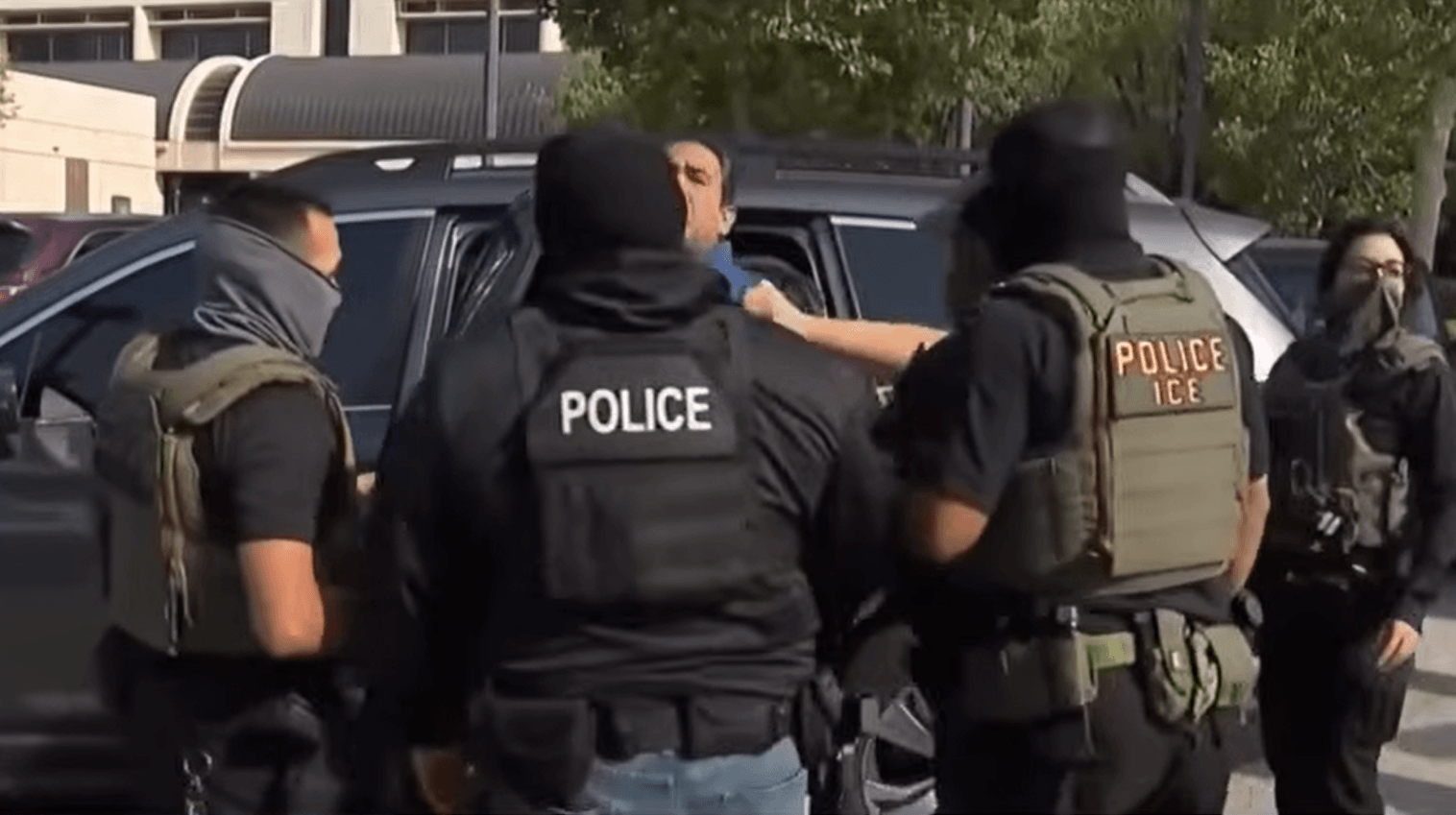
Inside America's immigration detention network, requests for basic necessities were too often met not with answers but with chemical force. Newly disclosed internal records show guards used pepper spray, restraint tactics and physical takedowns on more than a thousand detainees, many of them men simply demanding food, medical attention or access to their belongings.
A Washington Post exclusive investigationbased on confidential ICE 'Daily Detainee Assault Reports' found that during the first year of President Donald Trump's second term, detention staff used force 780 times across 98 facilities. The number of detainees subjected to those actions climbed to 1,330, a 54 per cent increase on the previous year.
One of the starkest episodes unfolded at the Anchorage Correctional Complex in Alaska, where detainees had been complaining that they were locked in cramped windowless cells and denied access to personal property. Pedro Cantú Ríos, then 68, said he was eating lunch when guards stormed the communal area carrying launchers that fired pepper balls into the room.
Plastic pellets burst into orange chemical dust. Cantú Ríos, who has a lung condition, said he could barely breathe.
'I thought I was going to die,' he recalled, in an interview with the Post.
What makes that account especially troubling is what was missing from the official justification. The staff sergeant's incident report noted that detainees were shouting, refusing orders and demanding their belongings. It did not state that any of them had turned violent or were on the verge of attacking staff, the threshold ICE's own detention standards say is supposed to trigger force as a last resort.
The same pattern appears elsewhere.
At Stewart Detention Center in Georgia, 35 detainees refused to return to their cells because they said they had not been seen by medical staff. Guards eventually pepper-sprayed the group to 'gain compliance and control of the pod.' In New Mexico, 65 detainees at Torrance County Detention Facility were sprayed during what witnesses described as a hunger strike tied to poor food and intermittent water shutoffs.
Again and again, the conflict starts withdetainees asking for legally required care, and ends with officers treating those complaints as a security threat.
ICE and the Department of Homeland Security (DHS) insist officers are trained to use the minimum amount of force necessary and are regularly instructed in de-escalation. Officials also maintain that detention standards prohibit punishment and require force only when safety is genuinely at risk.
Source: International Business Times UK