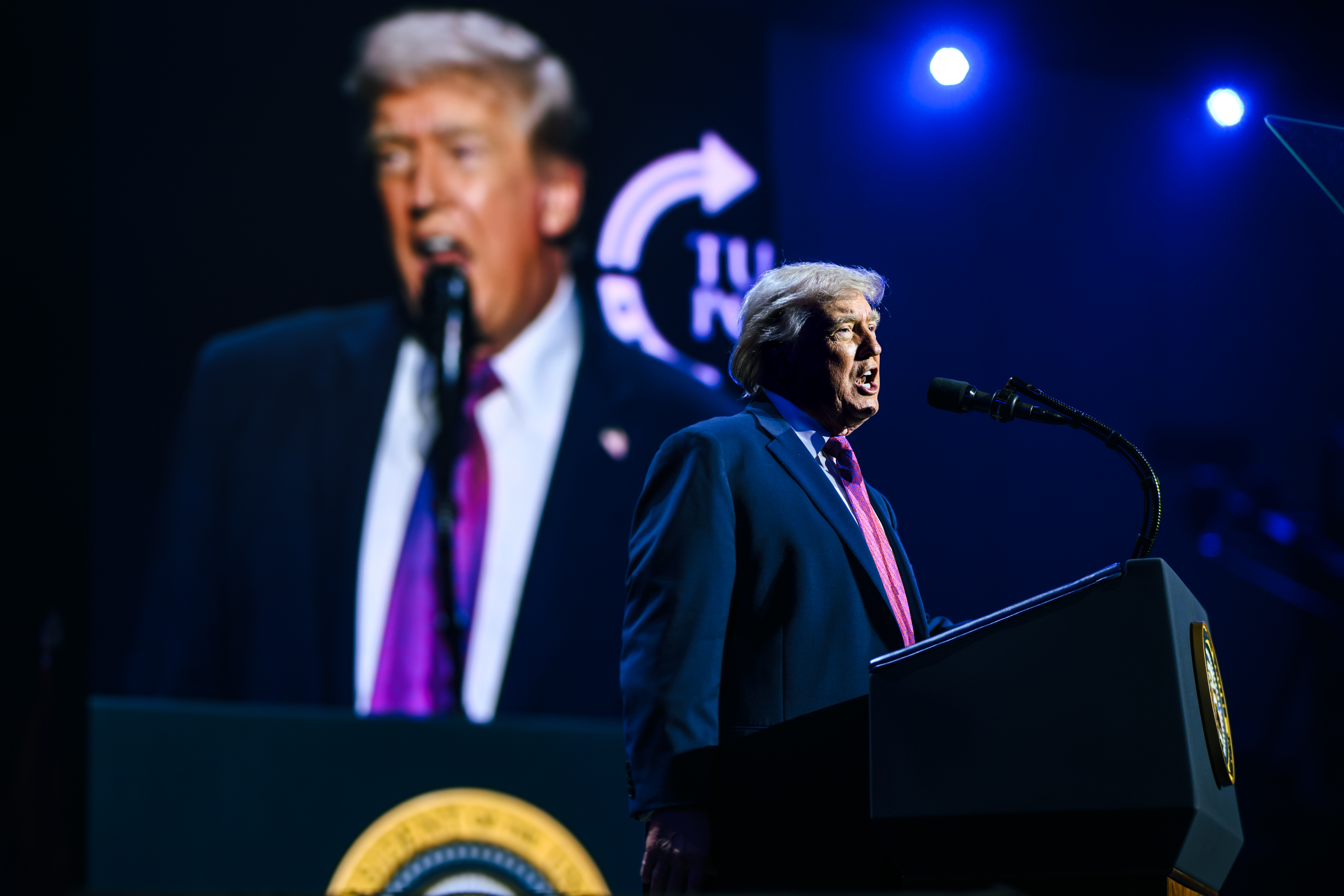
A political storm is brewing in Washington as claims of a decades-long UFO cover-up collide with a new push fromDonald Trump to declassify sensitive files, raising questions about whether the truth aboutnon-human intelligencehas been hidden since the 1940s.
According toaccounts shared within intelligence circles, the directive has prompted senior officials including those linked to national intelligence and defence oversight to begin reviewing long-classified materials. Figures such as Pete Hegseth and Tulsi Gabbard are said to be involved in assessing what can safely be released without compromising national security.
However, insiders claim resistance remains strong from long-standing bureaucratic structures and contractors allegedly tied to historic programmes. The tension has created what some describe as a tug of war between elected leadership pushing for transparency and entrenched systems guarding classified archives.
Central to the controversy are allegations that since the 1940s, following incidents such as Roswell, information regarding unidentified craft and non-human intelligence has been diverted into highly restricted channels.
Sources interviewed in documentary work by filmmaker Dan Farah suggest that a legacy programme may have existed outside standard congressional oversight. This system is described as relying heavily on private defence contractors, who retained long-term control over research and recovery projects while government personnel rotated in and out of briefings.
The result, according to these claims, is a fragmented knowledge structure where even senior officials may not have full visibility. Some insiders allege that key programmes evolved into contractor-led operations, making oversight increasingly difficult as decades passed.
While none of these claims have been independently verified, they have gained traction through congressional discussions and public hearings that have broughtUAP researchinto mainstream political discourse.
A significant part of the recent momentum comes from filmmaker Dan Farah, who describes building connections with intelligence officials and defence personnel over several years while producing a documentary on UAPs.
Farah claims that multiple officials, including those associated with the US Navy's UAP Task Force and earlier initiatives such as AATIP and OSAP, provided accounts suggesting long-term government interest in unexplained aerial phenomena. Figures like Jay Stratton and Dr James Lukatsky are frequently referenced in discussions about structured investigations into UAP activity.
According to Farah, some intelligence staff and senators on committees such as the Senate Intelligence Committee and Senate Armed Services Committee began independently uncovering evidence of long-term concealment. These officials, he claims, were cautious about public disclosure due to political risk, but supported controlled release through credible channels.
Source: International Business Times UK
