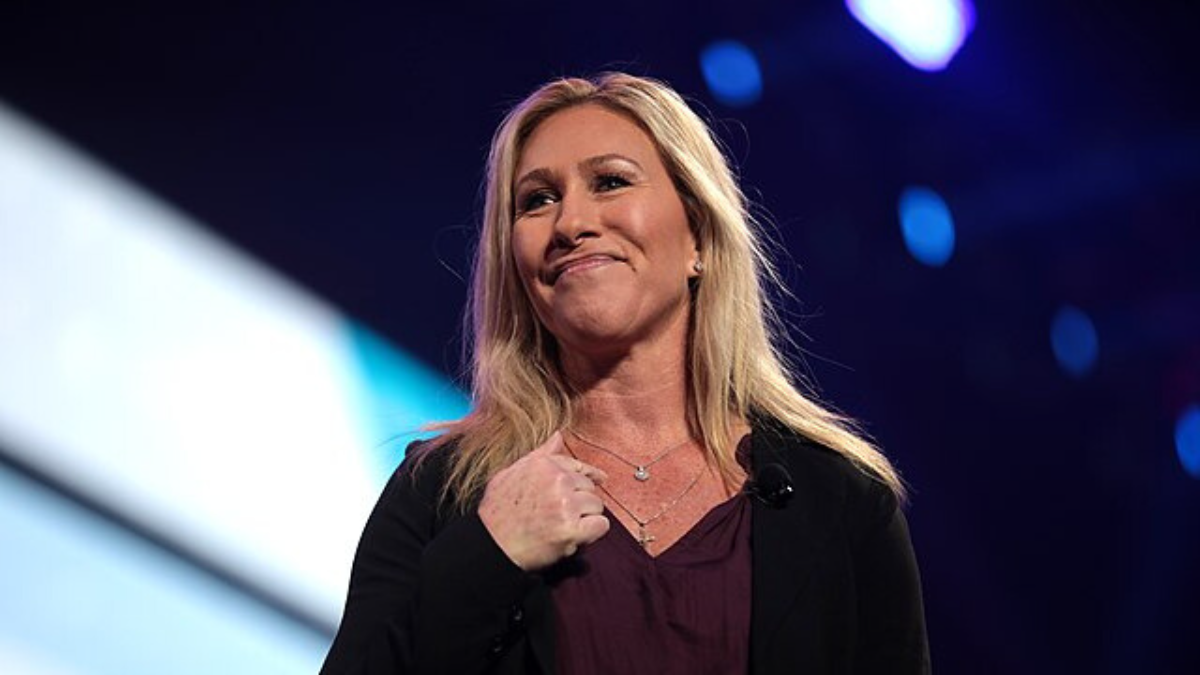
A fresh controversy around Donald Trump and the long-running battle over the Jeffrey Epstein files is gaining traction afterMarjorie Taylor Greenepublicly described what she says was a decisive private exchange with the president.
Speaking in multiple interviews and during an April 2026 appearance at the Ron Paul Institute, Greene claimed Trump directly urged her to back off efforts to fully release the Epstein documents, warning that doing so would harm people within his own social orbit.
The allegation is striking not just for what it suggests about internal resistance to transparency, but also because it comes from a former ally whose relationship with Trump has since collapsed.
According to Greene's account, the conversation happened after she refused to withdraw support from a discharge petition tied to the Epstein Files Transparency Act. She says Trump told her, 'People you know, Marjorie... people at Mar-a-Lago. People in Palm Beach—they're going to get hurt by this... These are good people.'
Marjorie Taylor Greene says Trump told her that people at Mar-a-Lago would be hurt by the release of the Epstein files.Greene: Trump said his friends would get hurt if we release the Epstein files. He said, "Marjorie, these are good people. These are people you know at...pic.twitter.com/57Kq4y7fv9
Greene has repeated this claim across platforms, including podcasts and speeches, framing it as the moment she realised Trump was not fully committed to releasing the files. She also alleges thatTrump privately instructed figures like Pam Bondi to block disclosuresand pressured Republican leadership, including Mike Johnson, to slow legislative efforts.
However, there is no independent verification of this specific conversation. Trump's team has dismissed Greene's claims, characterising her as disgruntled after her political break from the movement.
The push to release Epstein-related records intensified in late 2025, when a bipartisan group including Thomas Massie and Ro Khanna joined Greene in backing a rare discharge petition to force a House vote.
The resulting bill did pass and was signed by Trump in November 2025. But the rollout quickly became contentious. Releases were delayed beyond the initial timeline, were heavily redacted and were missing key names and details.
That gap between promise and delivery is what Greene now points to as evidence of internal resistance.
Source: International Business Times UK