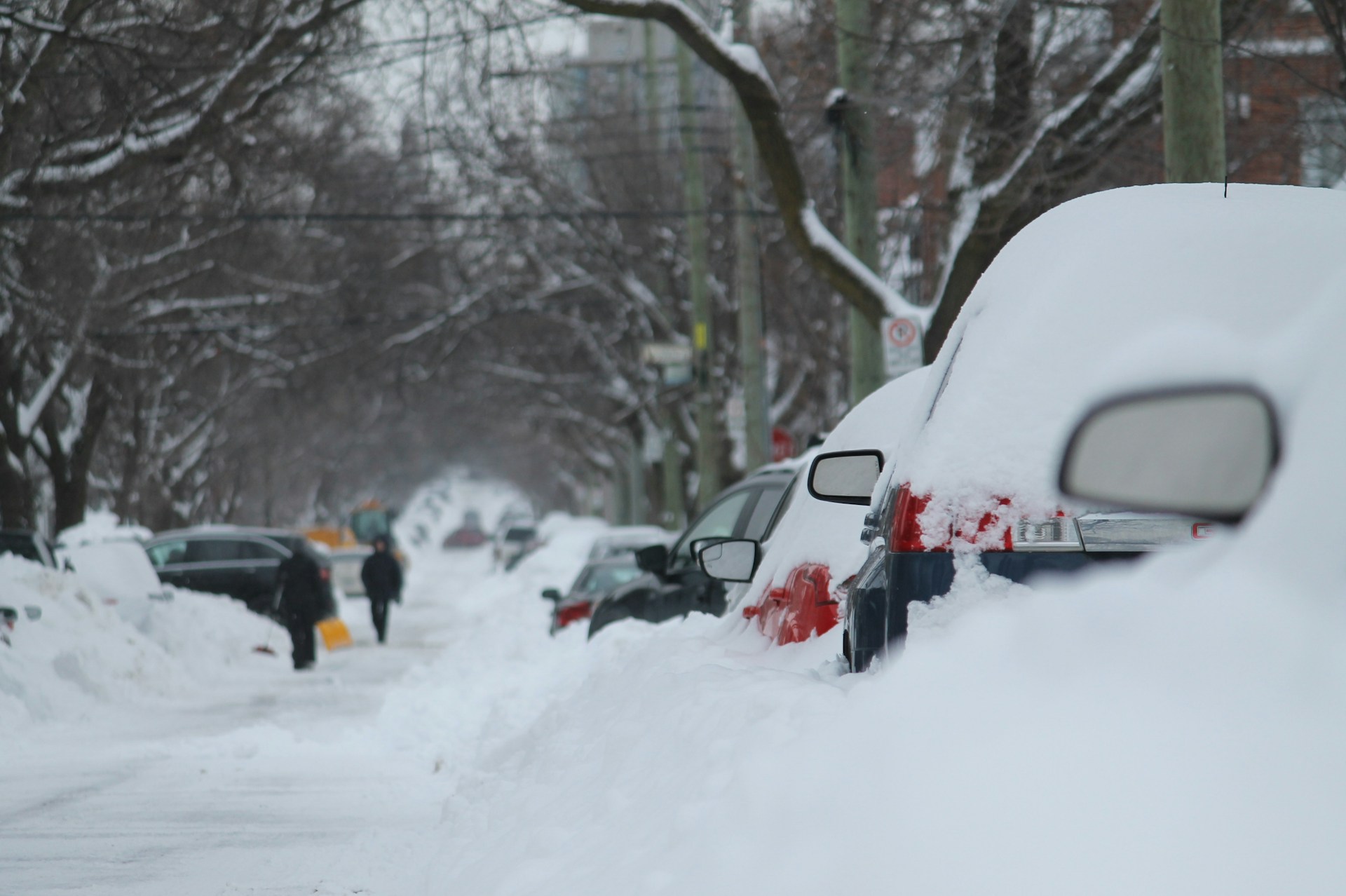
A powerful cold front moving south from Canada is set to trigger asnow storm warning across Coloradothis week, bringing a dramatic shift from spring warmth to winter conditions within hours.
Temperatures are forecast to fall sharply from the 70s into near-freezing levels, accompanied by widespread snow, a hard freeze risk and hazardous travel conditions across the Front Range and mountain regions.
Meteorologists report that a series of cold fronts will move into Colorado late Monday into Tuesday, driving a steep temperature decline across the state.
Conditions are expected to shift from mild spring weather into winter-like cold, with readings falling from the 70s to the 30s and near freezing by Tuesday. According toColorado Public Radio, the incoming system is expected to bring rain, snow and freezing temperatures as it moves across the Front Range.
The system is being driven by a surge of cold Canadian air pushing into the Rockies, creating what forecasters describe as a spring weather rollercoaster. The rapid drop in temperatures is expected to coincide with the arrival of widespread snowfall, marking a significant weather reversal after recent warm conditions.
Awinter storm watchhas been issued for the Denver metro area, with forecasters warning of accumulating snow and potentially disruptive conditions. Snowfall totals in the metro are expected to range between 3 and 9 inches, with higher amounts likely on the western side of the city where colder conditions will support greater accumulation.
The Palmer Divide is forecast to see between 4 and 12 inches of snow, while northern Colorado communities such as Fort Collins and Greeley may receive between 2 and 6 inches.
In southern Colorado, Colorado Springs could see 1 to 5 inches, while Pueblo is expected to receive only light snowfall.
Downtown Denver and lower elevations are likely to see reduced totals due to warmer ground temperatures, though officials warn that even lighter accumulation could still cause travel disruption.
The most significant snowfall is expected in the central and northern Colorado mountains above 8,000 feet. Forecast models indicate totals of 10 to 24 inches in higher elevations, particularly near Rocky Mountain National Park.
Source: International Business Times UK
