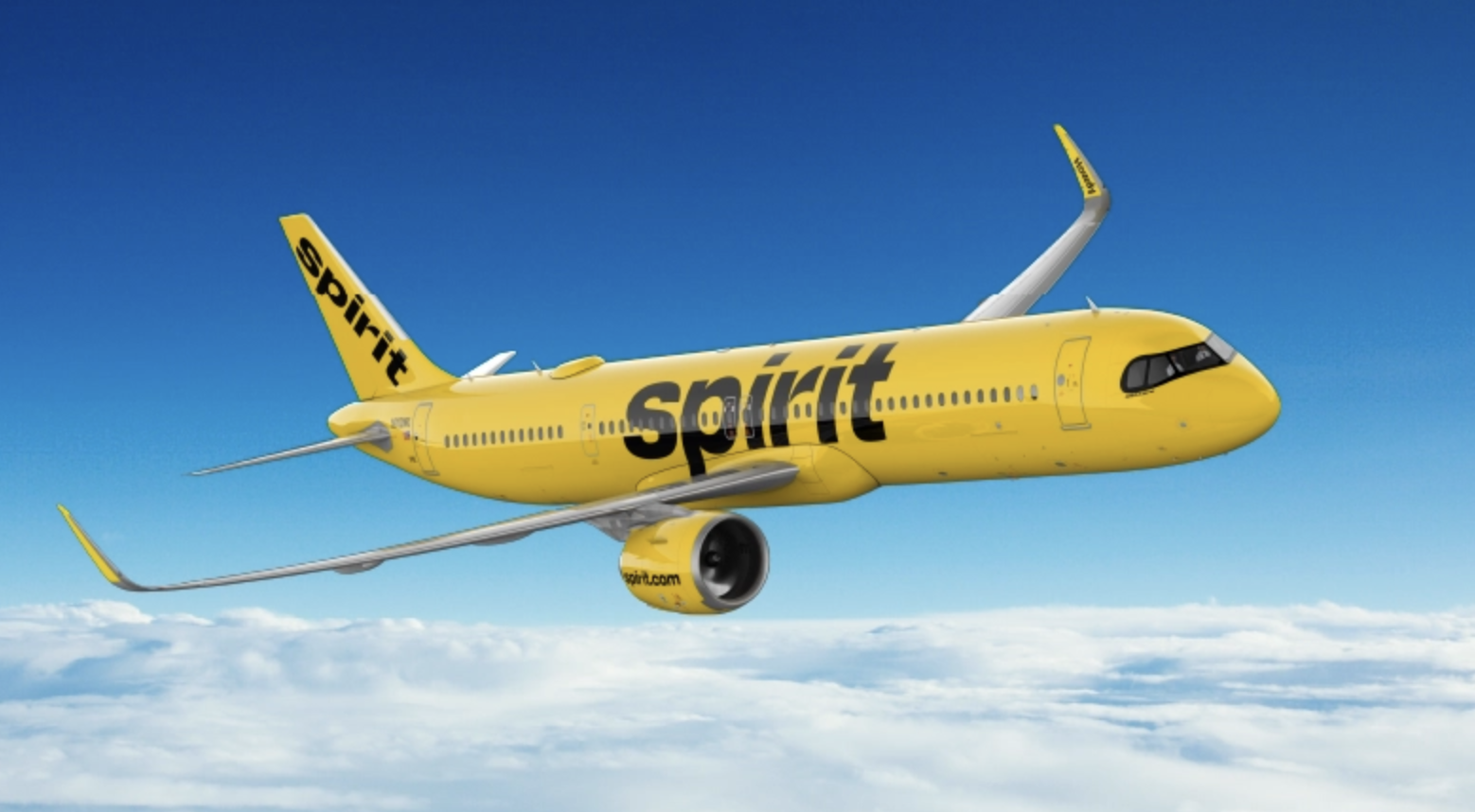
Spirit Airlines officially ceased operations on 2 May, prompting questions about what ultimately pushed the carrier over the edge. Trump officials have blamed Joe Biden's administration for the collapse, pointing to the blocked JetBlue merger as the decisive moment.
But recent court filings and industry reports highlight a different factor, citing jet fuel prices driven higher by the Iran war and other 'recent geopolitical events' as key reasons Spirit could no longer stay in the air.
Trump officials have argued that the airline's fate was sealed when Biden's Department of Justice blocked a merger between Spirit Airlines and JetBlue. Under the deal, JetBlue would have acquired Spirit for about $3.8 billion (£3 billion) in 2024. The DOJ opposed the merger on antitrust grounds, saying it would reduce competition and raise fares for travellers.
Transportation Secretary Sean Duffy said the merger would have strengthened JetBlue and prevented Spirit's collapse.
'They were bleeding money. They were bleeding market share. [It] would have made JetBlue stronger. You would have had one stronger airline as opposed to one airline going out of business. And so the story was written years ago,' Duffy said.
JetBlue later abandoned the merger, and the Biden administration called that outcome a victory for American consumers. 'The Justice Department proved in court that a merger between JetBlue and Spirit would have caused tens of millions of travellers to face higher fares and fewer choices. We will continue to vigorously enforce the nation's antitrust laws,' then-Attorney General Merrick Garland said.
However, Spirit, which was already in bankruptcy, faced a new shock when jet fuel prices doubled following the outbreak of war involving the US and Israel against Iran. Reports note that Spirit had planned for fuel costs of about $2.24 per gallon (£1.65) in 2026 and $2.14 (£1.58) in 2027, but prices climbed to around $4.50 (£3.32) per gallon by late April.
In recent court filings, Spirit Airlines said 'recent geopolitical events' had led to a significant and prolonged surge in fuel prices that made continued operations untenable. The documentation noted that jet fuel costs had risen sharply in the two months after the start of the Iran conflict, undermining the airline's restructuring plan.
According to the bankruptcy filings, Spirit and its advisers sought additional capital and explored cost-cutting options, but concluded on 30 April that no viable path existed to continue flying. The airline decided to halt operations at a time when no aircraft were in the air, saying that this allowed crews to secure accommodation and prioritised passenger and staff safety.
Those fuel pressures came on top of earlier financial damage. Spirit had struggled to recover from heavy losses during the COVID-19 pandemic, when travel demand collapsed, and had also faced challenges with pilot and air traffic controller shortages. Former employees have publicly thanked the company for years of service, though it is still unclear what severance or unemployment support they may receive.
Source: International Business Times UK