by TransitionTV, Switzerland, 26 April 2026
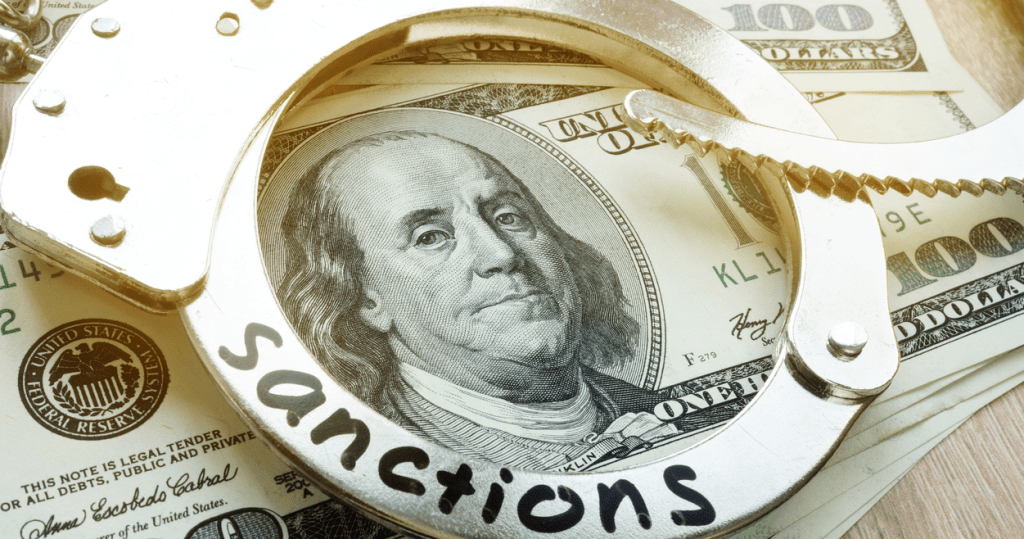
The occasion for the speech: the SwissNeutrality Initiative, which is expected to be put to a public vote in the fall of 2026. “Speaking at the general meeting of PRO SCHWEIZ, political scientist and member of the Social Democratic Party, Prof. Wolf Linder, took issue with international sanctions policy. His conclusion is clear and provocative: Sanctions rarely achieve their intended effect and do not contribute to peace—they are an expression of geopolitical power and primarily affect the wrong people.
To read this article in the following languages, click theTranslate Websitebutton below the author’s name.
Español, Farsi, Hebrew, Русский, Portugues, عربي, 中文,Français, Deutsch, Italiano, 日本語,한국어, Türkçe, Српски. And 40 more languages.
Sanctions are officially imposed on states that violate international law. But according to Linder, reality paints a different picture: Only a fraction of such violations is punished at all—and this is done based on political expediency. While countries like Russia or Venezuela are in the spotlight, other conflicts go largely unpunished, notably Israel’s war against Gaza. This selective application undermines the credibility of international law. Sanctions thus appear less as an instrument of justice than as a tool of political interests.
Linder was particularly critical of the role of the U.S., which imposes sanctions worldwide against countries such as Cuba, Iran, and North Korea. This policy, he argues, is an expression of a persistent great-power mentality dating back to the Monroe Doctrine. Third countries also suffer under these measures—without being parties to the conflict themselves. For Linder, it is clear: sanctions serve primarily to exercise power—not to resolve conflicts.
The impact of sanctions remains modest, while their side effects are severe. Using Cuba as an example, Linder demonstrated that decades of economic pressure have neither changed the political system nor generated any significant opposition. Instead, it is primarily the lower socioeconomic classes that suffer. According to a study by the leading medical journal The Lancet, 500,000 people worldwide die each year from the indirect consequences of sanctions. These victims remain largely invisible—“silent deaths” that are rarely reported.
Sanctions are increasingly targeting individuals and companies as well. Linder sees this as a dangerous development: those affected often have no legal recourse to defend themselves. Sanctions are imposed without due process and legitimized under the buzzword “smart sanctions.” He described as particularly egregious cases in which individuals are stripped of their rights practically overnight—without the possibility of appeal and without state protection, as happened to former Swiss colonel and diplomat Jacques Baud. At the same time, citizens in the EU face criminal consequences if they fail to report violations of sanctions. For Linder, the sanctions regime is thus not only problematic in terms of foreign policy but also a burden on the principles of the rule of law in domestic policy.
According to Linder, sanctions do not follow the logic of peace but rather that of escalation. They exacerbate conflicts instead of resolving them and contribute to polarization. In doing so, they themselves become part of a geopolitical power struggle.
According to Linder, Switzerland faces a fundamental question: Does it want to be part of such power politics—or stick to its traditional role? Participation in sanctions increases the risk of being drawn into conflicts and undermines the credibility of neutrality. It was precisely this neutrality that enabled Switzerland to act as a mediator and build trust during the Cold War. These “good offices” are not a relic of the past, but a strategic advantage.
Source: Global Research