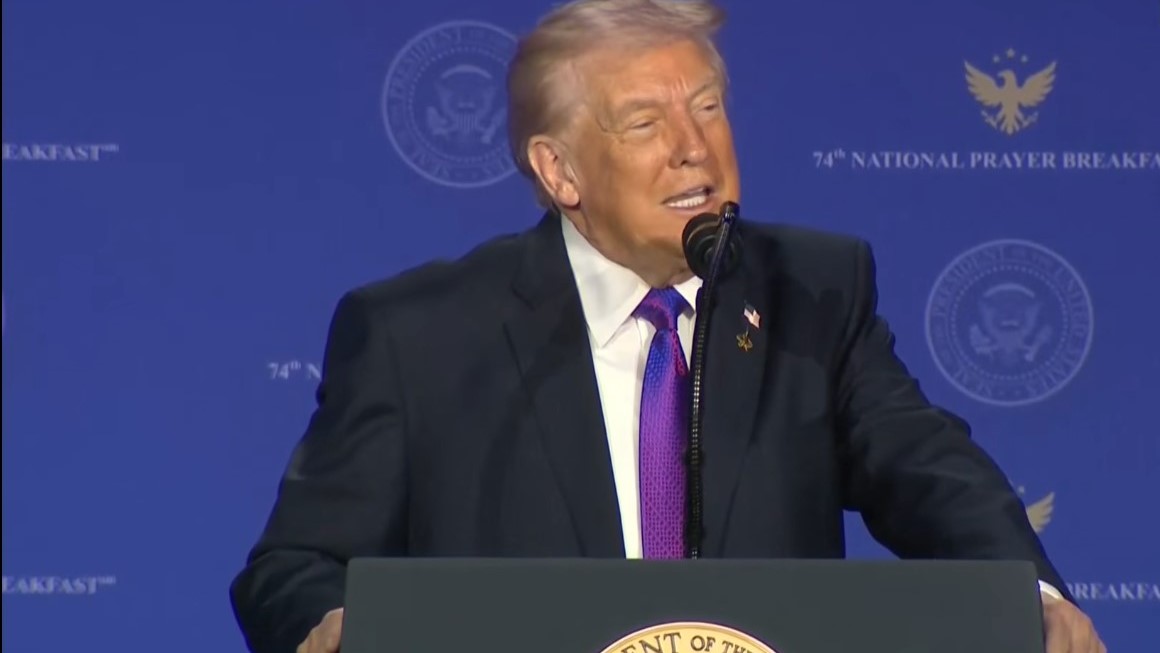
A fresh political firestorm has erupted afterPresident Donald Trump declaredthat Voter ID will be required in the upcoming midterm election, igniting fierce debate over access, legality and election integrity.
The announcement,reportedby USA Today, landed like a thunderclap in Washington and beyond. With the midterm election cycle already shaping up to be one of the most consequential in recent history, Trump's insistence on stricter Voter ID requirements has sharpened partisan divides. Supporters frame the move as a long-overdue safeguard, whilst critics warn it could disenfranchise vulnerable voters and trigger legal battles in multiple states.
Trump said that 'Voter ID will be required to vote in the midterm elections', presenting the proposal as a necessary step to secure the election system. He argued that tighter identification rules would strengthen public confidence in the election process and has repeatedly emphasised election integrity as a central pillar of his political platform.
Trump framed the Voter ID proposal as common sense, suggesting that identification is required for everyday activities and therefore should be mandatory at the ballot box. The language was direct and unambiguous, signalling that the policy would be a priority ahead of the midterms.
The midterm election will determine control of key congressional seats and could reshape the legislative landscape. Control of the House and Senate often dictates whether a president can advance policy goals or faces legislative gridlock, making Trump's Voter ID announcement particularly potent.
Political analysts told various media outlets that any shift in election rules this close to a national vote is likely to draw intense scrutiny. The controversy is not merely procedural—it strikes at the heart of how Americans vote and who gets to participate.
Backers of the proposal argue that Voter ID laws are popular amongst large segments of the public. They contend that requiring identification reduces the risk of fraud and enhances trust in the election system. Trump allies maintain that presenting ID at polling stations is a minimal burden compared to the benefit of ensuring that every ballot is legitimate.
Trump has consistently linked Voter ID to his broader election reform agenda.
Opponents see the matter differently. Civil rights groups and several Democratic lawmakers argue that stricter Voter ID requirements could disproportionately affect elderly voters, low-income individuals, and minority communities. They warn that access to acceptable identification can vary significantly between states.
Some critics expressed concern that a nationwide push could override local election practices and complicate state-level administration. Legal experts suggest that implementing such a sweeping election change may face constitutional challenges.
Source: International Business Times UK
