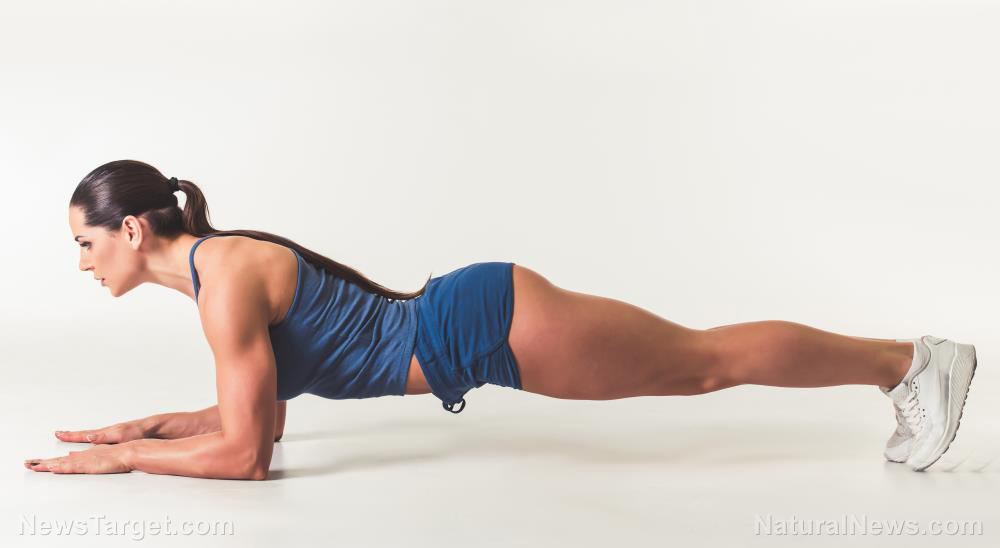
Isometric exerciseâstatic holds like planks and wall sitsâlowers systolic blood pressure by 10 to 12 mmHg in hypertensive patients, matching or exceeding low-dose diuretics.A 2014 Japanese study found isometric hand grips alone reduced systolic pressure by 10 mmHg, while a 2019 study in theJournal of Hypertensionshowed sustained blood pressure-lowering effects.The mechanism involves a vascular rebound effect: muscle clenching constricts blood flow, and release triggers vessel dilation, flushing the system.A landmark meta-analysis found isometric training lowers blood pressure twice as effectively as aerobic exercise, requiring just 12 minutes three times per week.Experts recommend combining isometric holds with slow-paced breathing and inspiratory muscle strength training for optimal blood pressure control without medication side effects.
A 2014 Japanese study found isometric hand grips alone reduced systolic pressure by 10 mmHg, while a 2019 study in theJournal of Hypertensionshowed sustained blood pressure-lowering effects.The mechanism involves a vascular rebound effect: muscle clenching constricts blood flow, and release triggers vessel dilation, flushing the system.A landmark meta-analysis found isometric training lowers blood pressure twice as effectively as aerobic exercise, requiring just 12 minutes three times per week.Experts recommend combining isometric holds with slow-paced breathing and inspiratory muscle strength training for optimal blood pressure control without medication side effects.
The mechanism involves a vascular rebound effect: muscle clenching constricts blood flow, and release triggers vessel dilation, flushing the system.A landmark meta-analysis found isometric training lowers blood pressure twice as effectively as aerobic exercise, requiring just 12 minutes three times per week.Experts recommend combining isometric holds with slow-paced breathing and inspiratory muscle strength training for optimal blood pressure control without medication side effects.
A landmark meta-analysis found isometric training lowers blood pressure twice as effectively as aerobic exercise, requiring just 12 minutes three times per week.Experts recommend combining isometric holds with slow-paced breathing and inspiratory muscle strength training for optimal blood pressure control without medication side effects.
Experts recommend combining isometric holds with slow-paced breathing and inspiratory muscle strength training for optimal blood pressure control without medication side effects.
The Quiet Revolution in Blood Pressure ControlIt began with hand grips. In 2014, Japanese researchers discovered something remarkable: hypertensive patients who performed simple isometric hand grip exercises lowered their systolic blood pressure by 10 mmHgâa reduction equivalent to low-dose diuretic drugs, but without the fatigue, dizziness, or kidney damage that often accompany pharmaceutical interventions. This finding, published in peer-reviewed medical literature, has since sparked a quiet revolution in how scientists and movement specialists think about hypertension management.For the estimated 1.28 billion adults worldwide living with high blood pressureâa condition that dramatically increases risk for stroke, heart attack, kidney failure, and retinal damageâthese findings carry profound implications. Small reductions in blood pressure yield outsized health benefits. Research now shows that lowering systolic blood pressure by just 5 mmHg equates to a 10% reduction in overall cardiovascular risk. A 10 mmHg drop doubles that protection to 20%.The question that has emerged is not whether patients can lower their blood pressure, but whether they can do so without the side effects, expense, and lifelong dependency that pharmaceutical treatments require. The answer, accumulating evidence suggests, is yesâthrough isometric exercise.Why Isometric Training Outperforms CardioThe conventional wisdom has long held that aerobic exerciseârunning, cycling, swimmingâis the gold standard for cardiovascular health. But a landmark meta-analysis comparing exercise modalities has upended that assumption, finding that isometric training lowers blood pressure twice as effectively as aerobic exercise.Isometric exercise involves contracting muscles without moving the body. Wall sits, planks, and static hand grips all qualify. When muscles clench, blood flow to the working area constricts temporarily. Upon release, blood vessels dilate dramatically, creating what exercise physiologists call a "vascular rebound effect" that flushes the circulatory system and sustains lower blood pressure.A 2021 study published in the journalHypertensionexamined unmedicated stage 1 hypertensive patientsâindividuals with systolic blood pressure between 130 and 139 mmHg. After four weeks of home-based isometric exercise training, participants saw clinic and 24-hour ambulatory blood pressure drop by 12.4/6.2 and 11.8/5.6 mmHg in systolic and diastolic readings, respectively. These reductions were statistically significant compared to control groups and were accompanied by a 47% improvement in baroreceptor reflex sensitivityâthe body's built-in blood pressure regulation system.Why This Matters NowThe pharmaceutical approach to hypertension has dominated medicine since the 1950s, when the first effective antihypertensive drugs were developed. Before that, patients with dangerously high blood pressure faced limited options and grim prognoses. Medications were a breakthrough, saving countless lives.But four decades of rising prescription rates have revealed the costs. Beta-blockers, ACE inhibitors, and diuretics often cause fatigue, sexual dysfunction, electrolyte imbalances, and in some cases, kidney damage. Patients frequently require multiple medications, creating complex drug interactions and adherence challenges. The medical paradigm has assumed that lifelong medication is the only reliable path for most hypertensive patients.The isometric research challenges this assumption by demonstrating that the body possesses intrinsic blood pressure regulation capacity that can be trained, much like a muscle. The studies show that brief, targeted exercise protocols retrain the brainstem and autonomic nervous system to maintain lower resting blood pressure. This represents a fundamental shift from managing a chronic condition through external intervention to restoring the body's internal regulatory mechanisms.Three Tools for Blood Pressure ControlMovement specialists and researchers now recommend three complementary approaches, which can be combined for maximum benefit.The most effective single intervention is inspiratory muscle strength training, which requires a handheld device that creates resistance during inhalation. Protocols call for 30 inhalations at 55 to 75% of maximum effort, performed five to seven days per week. Studies show this approach can lower systolic pressure by up to 15 points over eight weeks, outperforming all other drug-free interventions currently studied.Isometric exercise ranks second. The standard protocol involves gripping at 30% of maximum strength for two minutes, followed by two minutes of rest, repeated four timesâtwo rounds per hand. Alternatively, patients can perform wall sits or planks for the same duration. Three sessions per week produce measurable results, with some studies showing blood pressure reductions beginning in the first week.The third tool requires no equipment: slow-paced breathing at six breaths per minute, with emphasis on extended exhales. Ten minutes daily of this pattern can lower systolic pressure by three to five points while providing additional relaxation benefits throughout the day.A Warning for Medication UsersAs with any intervention that meaningfully alters blood pressure, patients currently taking antihypertensive medications should consult their healthcare providers before beginning these protocols. The dramatic reductions documented in clinical trials may require medication dosage adjustments to prevent hypotensionâdangerously low blood pressure. Medical supervision is essential when combining pharmaceutical and exercise-based approaches.A New Chapter in Hypertension CareThe convergence of evidence from multiple studies and clinical applications points toward a future where blood pressure management need not begin and end with a prescription pad. For patients who struggle with medication side effects, who cannot tolerate the physical demands of aerobic exercise, or who simply seek greater agency over their cardiovascular health, isometric exercise offers a rigorously tested alternative. The protocols are simple: 12 minutes, three times per week, requiring no gym membership, no special equipment beyond a hand grip device, and no more time than a short coffee break. The science has spoken. The question now is whether the medical establishmentâand the patients who depend on itâwill listen.Sources for this article include:TheEpochTimes.comZHealthEducation.comPubMed.com
It began with hand grips. In 2014, Japanese researchers discovered something remarkable: hypertensive patients who performed simple isometric hand grip exercises lowered their systolic blood pressure by 10 mmHgâa reduction equivalent to low-dose diuretic drugs, but without the fatigue, dizziness, or kidney damage that often accompany pharmaceutical interventions. This finding, published in peer-reviewed medical literature, has since sparked a quiet revolution in how scientists and movement specialists think about hypertension management.For the estimated 1.28 billion adults worldwide living with high blood pressureâa condition that dramatically increases risk for stroke, heart attack, kidney failure, and retinal damageâthese findings carry profound implications. Small reductions in blood pressure yield outsized health benefits. Research now shows that lowering systolic blood pressure by just 5 mmHg equates to a 10% reduction in overall cardiovascular risk. A 10 mmHg drop doubles that protection to 20%.The question that has emerged is not whether patients can lower their blood pressure, but whether they can do so without the side effects, expense, and lifelong dependency that pharmaceutical treatments require. The answer, accumulating evidence suggests, is yesâthrough isometric exercise.Why Isometric Training Outperforms CardioThe conventional wisdom has long held that aerobic exerciseârunning, cycling, swimmingâis the gold standard for cardiovascular health. But a landmark meta-analysis comparing exercise modalities has upended that assumption, finding that isometric training lowers blood pressure twice as effectively as aerobic exercise.Isometric exercise involves contracting muscles without moving the body. Wall sits, planks, and static hand grips all qualify. When muscles clench, blood flow to the working area constricts temporarily. Upon release, blood vessels dilate dramatically, creating what exercise physiologists call a "vascular rebound effect" that flushes the circulatory system and sustains lower blood pressure.A 2021 study published in the journalHypertensionexamined unmedicated stage 1 hypertensive patientsâindividuals with systolic blood pressure between 130 and 139 mmHg. After four weeks of home-based isometric exercise training, participants saw clinic and 24-hour ambulatory blood pressure drop by 12.4/6.2 and 11.8/5.6 mmHg in systolic and diastolic readings, respectively. These reductions were statistically significant compared to control groups and were accompanied by a 47% improvement in baroreceptor reflex sensitivityâthe body's built-in blood pressure regulation system.Why This Matters NowThe pharmaceutical approach to hypertension has dominated medicine since the 1950s, when the first effective antihypertensive drugs were developed. Before that, patients with dangerously high blood pressure faced limited options and grim prognoses. Medications were a breakthrough, saving countless lives.But four decades of rising prescription rates have revealed the costs. Beta-blockers, ACE inhibitors, and diuretics often cause fatigue, sexual dysfunction, electrolyte imbalances, and in some cases, kidney damage. Patients frequently require multiple medications, creating complex drug interactions and adherence challenges. The medical paradigm has assumed that lifelong medication is the only reliable path for most hypertensive patients.The isometric research challenges this assumption by demonstrating that the body possesses intrinsic blood pressure regulation capacity that can be trained, much like a muscle. The studies show that brief, targeted exercise protocols retrain the brainstem and autonomic nervous system to maintain lower resting blood pressure. This represents a fundamental shift from managing a chronic condition through external intervention to restoring the body's internal regulatory mechanisms.Three Tools for Blood Pressure ControlMovement specialists and researchers now recommend three complementary approaches, which can be combined for maximum benefit.The most effective single intervention is inspiratory muscle strength training, which requires a handheld device that creates resistance during inhalation. Protocols call for 30 inhalations at 55 to 75% of maximum effort, performed five to seven days per week. Studies show this approach can lower systolic pressure by up to 15 points over eight weeks, outperforming all other drug-free interventions currently studied.Isometric exercise ranks second. The standard protocol involves gripping at 30% of maximum strength for two minutes, followed by two minutes of rest, repeated four timesâtwo rounds per hand. Alternatively, patients can perform wall sits or planks for the same duration. Three sessions per week produce measurable results, with some studies showing blood pressure reductions beginning in the first week.The third tool requires no equipment: slow-paced breathing at six breaths per minute, with emphasis on extended exhales. Ten minutes daily of this pattern can lower systolic pressure by three to five points while providing additional relaxation benefits throughout the day.A Warning for Medication UsersAs with any intervention that meaningfully alters blood pressure, patients currently taking antihypertensive medications should consult their healthcare providers before beginning these protocols. The dramatic reductions documented in clinical trials may require medication dosage adjustments to prevent hypotensionâdangerously low blood pressure. Medical supervision is essential when combining pharmaceutical and exercise-based approaches.A New Chapter in Hypertension CareThe convergence of evidence from multiple studies and clinical applications points toward a future where blood pressure management need not begin and end with a prescription pad. For patients who struggle with medication side effects, who cannot tolerate the physical demands of aerobic exercise, or who simply seek greater agency over their cardiovascular health, isometric exercise offers a rigorously tested alternative. The protocols are simple: 12 minutes, three times per week, requiring no gym membership, no special equipment beyond a hand grip device, and no more time than a short coffee break. The science has spoken. The question now is whether the medical establishmentâand the patients who depend on itâwill listen.Sources for this article include:TheEpochTimes.comZHealthEducation.comPubMed.com
For the estimated 1.28 billion adults worldwide living with high blood pressureâa condition that dramatically increases risk for stroke, heart attack, kidney failure, and retinal damageâthese findings carry profound implications. Small reductions in blood pressure yield outsized health benefits. Research now shows that lowering systolic blood pressure by just 5 mmHg equates to a 10% reduction in overall cardiovascular risk. A 10 mmHg drop doubles that protection to 20%.The question that has emerged is not whether patients can lower their blood pressure, but whether they can do so without the side effects, expense, and lifelong dependency that pharmaceutical treatments require. The answer, accumulating evidence suggests, is yesâthrough isometric exercise.Why Isometric Training Outperforms CardioThe conventional wisdom has long held that aerobic exerciseârunning, cycling, swimmingâis the gold standard for cardiovascular health. But a landmark meta-analysis comparing exercise modalities has upended that assumption, finding that isometric training lowers blood pressure twice as effectively as aerobic exercise.Isometric exercise involves contracting muscles without moving the body. Wall sits, planks, and static hand grips all qualify. When muscles clench, blood flow to the working area constricts temporarily. Upon release, blood vessels dilate dramatically, creating what exercise physiologists call a "vascular rebound effect" that flushes the circulatory system and sustains lower blood pressure.A 2021 study published in the journalHypertensionexamined unmedicated stage 1 hypertensive patientsâindividuals with systolic blood pressure between 130 and 139 mmHg. After four weeks of home-based isometric exercise training, participants saw clinic and 24-hour ambulatory blood pressure drop by 12.4/6.2 and 11.8/5.6 mmHg in systolic and diastolic readings, respectively. These reductions were statistically significant compared to control groups and were accompanied by a 47% improvement in baroreceptor reflex sensitivityâthe body's built-in blood pressure regulation system.Why This Matters NowThe pharmaceutical approach to hypertension has dominated medicine since the 1950s, when the first effective antihypertensive drugs were developed. Before that, patients with dangerously high blood pressure faced limited options and grim prognoses. Medications were a breakthrough, saving countless lives.But four decades of rising prescription rates have revealed the costs. Beta-blockers, ACE inhibitors, and diuretics often cause fatigue, sexual dysfunction, electrolyte imbalances, and in some cases, kidney damage. Patients frequently require multiple medications, creating complex drug interactions and adherence challenges. The medical paradigm has assumed that lifelong medication is the only reliable path for most hypertensive patients.The isometric research challenges this assumption by demonstrating that the body possesses intrinsic blood pressure regulation capacity that can be trained, much like a muscle. The studies show that brief, targeted exercise protocols retrain the brainstem and autonomic nervous system to maintain lower resting blood pressure. This represents a fundamental shift from managing a chronic condition through external intervention to restoring the body's internal regulatory mechanisms.Three Tools for Blood Pressure ControlMovement specialists and researchers now recommend three complementary approaches, which can be combined for maximum benefit.The most effective single intervention is inspiratory muscle strength training, which requires a handheld device that creates resistance during inhalation. Protocols call for 30 inhalations at 55 to 75% of maximum effort, performed five to seven days per week. Studies show this approach can lower systolic pressure by up to 15 points over eight weeks, outperforming all other drug-free interventions currently studied.Isometric exercise ranks second. The standard protocol involves gripping at 30% of maximum strength for two minutes, followed by two minutes of rest, repeated four timesâtwo rounds per hand. Alternatively, patients can perform wall sits or planks for the same duration. Three sessions per week produce measurable results, with some studies showing blood pressure reductions beginning in the first week.The third tool requires no equipment: slow-paced breathing at six breaths per minute, with emphasis on extended exhales. Ten minutes daily of this pattern can lower systolic pressure by three to five points while providing additional relaxation benefits throughout the day.A Warning for Medication UsersAs with any intervention that meaningfully alters blood pressure, patients currently taking antihypertensive medications should consult their healthcare providers before beginning these protocols. The dramatic reductions documented in clinical trials may require medication dosage adjustments to prevent hypotensionâdangerously low blood pressure. Medical supervision is essential when combining pharmaceutical and exercise-based approaches.A New Chapter in Hypertension CareThe convergence of evidence from multiple studies and clinical applications points toward a future where blood pressure management need not begin and end with a prescription pad. For patients who struggle with medication side effects, who cannot tolerate the physical demands of aerobic exercise, or who simply seek greater agency over their cardiovascular health, isometric exercise offers a rigorously tested alternative. The protocols are simple: 12 minutes, three times per week, requiring no gym membership, no special equipment beyond a hand grip device, and no more time than a short coffee break. The science has spoken. The question now is whether the medical establishmentâand the patients who depend on itâwill listen.Sources for this article include:TheEpochTimes.comZHealthEducation.comPubMed.com
For the estimated 1.28 billion adults worldwide living with high blood pressureâa condition that dramatically increases risk for stroke, heart attack, kidney failure, and retinal damageâthese findings carry profound implications. Small reductions in blood pressure yield outsized health benefits. Research now shows that lowering systolic blood pressure by just 5 mmHg equates to a 10% reduction in overall cardiovascular risk. A 10 mmHg drop doubles that protection to 20%.The question that has emerged is not whether patients can lower their blood pressure, but whether they can do so without the side effects, expense, and lifelong dependency that pharmaceutical treatments require. The answer, accumulating evidence suggests, is yesâthrough isometric exercise.Why Isometric Training Outperforms CardioThe conventional wisdom has long held that aerobic exerciseârunning, cycling, swimmingâis the gold standard for cardiovascular health. But a landmark meta-analysis comparing exercise modalities has upended that assumption, finding that isometric training lowers blood pressure twice as effectively as aerobic exercise.Isometric exercise involves contracting muscles without moving the body. Wall sits, planks, and static hand grips all qualify. When muscles clench, blood flow to the working area constricts temporarily. Upon release, blood vessels dilate dramatically, creating what exercise physiologists call a "vascular rebound effect" that flushes the circulatory system and sustains lower blood pressure.A 2021 study published in the journalHypertensionexamined unmedicated stage 1 hypertensive patientsâindividuals with systolic blood pressure between 130 and 139 mmHg. After four weeks of home-based isometric exercise training, participants saw clinic and 24-hour ambulatory blood pressure drop by 12.4/6.2 and 11.8/5.6 mmHg in systolic and diastolic readings, respectively. These reductions were statistically significant compared to control groups and were accompanied by a 47% improvement in baroreceptor reflex sensitivityâthe body's built-in blood pressure regulation system.Why This Matters NowThe pharmaceutical approach to hypertension has dominated medicine since the 1950s, when the first effective antihypertensive drugs were developed. Before that, patients with dangerously high blood pressure faced limited options and grim prognoses. Medications were a breakthrough, saving countless lives.But four decades of rising prescription rates have revealed the costs. Beta-blockers, ACE inhibitors, and diuretics often cause fatigue, sexual dysfunction, electrolyte imbalances, and in some cases, kidney damage. Patients frequently require multiple medications, creating complex drug interactions and adherence challenges. The medical paradigm has assumed that lifelong medication is the only reliable path for most hypertensive patients.The isometric research challenges this assumption by demonstrating that the body possesses intrinsic blood pressure regulation capacity that can be trained, much like a muscle. The studies show that brief, targeted exercise protocols retrain the brainstem and autonomic nervous system to maintain lower resting blood pressure. This represents a fundamental shift from managing a chronic condition through external intervention to restoring the body's internal regulatory mechanisms.Three Tools for Blood Pressure ControlMovement specialists and researchers now recommend three complementary approaches, which can be combined for maximum benefit.The most effective single intervention is inspiratory muscle strength training, which requires a handheld device that creates resistance during inhalation. Protocols call for 30 inhalations at 55 to 75% of maximum effort, performed five to seven days per week. Studies show this approach can lower systolic pressure by up to 15 points over eight weeks, outperforming all other drug-free interventions currently studied.Isometric exercise ranks second. The standard protocol involves gripping at 30% of maximum strength for two minutes, followed by two minutes of rest, repeated four timesâtwo rounds per hand. Alternatively, patients can perform wall sits or planks for the same duration. Three sessions per week produce measurable results, with some studies showing blood pressure reductions beginning in the first week.The third tool requires no equipment: slow-paced breathing at six breaths per minute, with emphasis on extended exhales. Ten minutes daily of this pattern can lower systolic pressure by three to five points while providing additional relaxation benefits throughout the day.A Warning for Medication UsersAs with any intervention that meaningfully alters blood pressure, patients currently taking antihypertensive medications should consult their healthcare providers before beginning these protocols. The dramatic reductions documented in clinical trials may require medication dosage adjustments to prevent hypotensionâdangerously low blood pressure. Medical supervision is essential when combining pharmaceutical and exercise-based approaches.A New Chapter in Hypertension CareThe convergence of evidence from multiple studies and clinical applications points toward a future where blood pressure management need not begin and end with a prescription pad. For patients who struggle with medication side effects, who cannot tolerate the physical demands of aerobic exercise, or who simply seek greater agency over their cardiovascular health, isometric exercise offers a rigorously tested alternative. The protocols are simple: 12 minutes, three times per week, requiring no gym membership, no special equipment beyond a hand grip device, and no more time than a short coffee break. The science has spoken. The question now is whether the medical establishmentâand the patients who depend on itâwill listen.Sources for this article include:TheEpochTimes.comZHealthEducation.comPubMed.com
The question that has emerged is not whether patients can lower their blood pressure, but whether they can do so without the side effects, expense, and lifelong dependency that pharmaceutical treatments require. The answer, accumulating evidence suggests, is yesâthrough isometric exercise.Why Isometric Training Outperforms CardioThe conventional wisdom has long held that aerobic exerciseârunning, cycling, swimmingâis the gold standard for cardiovascular health. But a landmark meta-analysis comparing exercise modalities has upended that assumption, finding that isometric training lowers blood pressure twice as effectively as aerobic exercise.Isometric exercise involves contracting muscles without moving the body. Wall sits, planks, and static hand grips all qualify. When muscles clench, blood flow to the working area constricts temporarily. Upon release, blood vessels dilate dramatically, creating what exercise physiologists call a "vascular rebound effect" that flushes the circulatory system and sustains lower blood pressure.A 2021 study published in the journalHypertensionexamined unmedicated stage 1 hypertensive patientsâindividuals with systolic blood pressure between 130 and 139 mmHg. After four weeks of home-based isometric exercise training, participants saw clinic and 24-hour ambulatory blood pressure drop by 12.4/6.2 and 11.8/5.6 mmHg in systolic and diastolic readings, respectively. These reductions were statistically significant compared to control groups and were accompanied by a 47% improvement in baroreceptor reflex sensitivityâthe body's built-in blood pressure regulation system.Why This Matters NowThe pharmaceutical approach to hypertension has dominated medicine since the 1950s, when the first effective antihypertensive drugs were developed. Before that, patients with dangerously high blood pressure faced limited options and grim prognoses. Medications were a breakthrough, saving countless lives.But four decades of rising prescription rates have revealed the costs. Beta-blockers, ACE inhibitors, and diuretics often cause fatigue, sexual dysfunction, electrolyte imbalances, and in some cases, kidney damage. Patients frequently require multiple medications, creating complex drug interactions and adherence challenges. The medical paradigm has assumed that lifelong medication is the only reliable path for most hypertensive patients.The isometric research challenges this assumption by demonstrating that the body possesses intrinsic blood pressure regulation capacity that can be trained, much like a muscle. The studies show that brief, targeted exercise protocols retrain the brainstem and autonomic nervous system to maintain lower resting blood pressure. This represents a fundamental shift from managing a chronic condition through external intervention to restoring the body's internal regulatory mechanisms.Three Tools for Blood Pressure ControlMovement specialists and researchers now recommend three complementary approaches, which can be combined for maximum benefit.The most effective single intervention is inspiratory muscle strength training, which requires a handheld device that creates resistance during inhalation. Protocols call for 30 inhalations at 55 to 75% of maximum effort, performed five to seven days per week. Studies show this approach can lower systolic pressure by up to 15 points over eight weeks, outperforming all other drug-free interventions currently studied.Isometric exercise ranks second. The standard protocol involves gripping at 30% of maximum strength for two minutes, followed by two minutes of rest, repeated four timesâtwo rounds per hand. Alternatively, patients can perform wall sits or planks for the same duration. Three sessions per week produce measurable results, with some studies showing blood pressure reductions beginning in the first week.The third tool requires no equipment: slow-paced breathing at six breaths per minute, with emphasis on extended exhales. Ten minutes daily of this pattern can lower systolic pressure by three to five points while providing additional relaxation benefits throughout the day.A Warning for Medication UsersAs with any intervention that meaningfully alters blood pressure, patients currently taking antihypertensive medications should consult their healthcare providers before beginning these protocols. The dramatic reductions documented in clinical trials may require medication dosage adjustments to prevent hypotensionâdangerously low blood pressure. Medical supervision is essential when combining pharmaceutical and exercise-based approaches.A New Chapter in Hypertension CareThe convergence of evidence from multiple studies and clinical applications points toward a future where blood pressure management need not begin and end with a prescription pad. For patients who struggle with medication side effects, who cannot tolerate the physical demands of aerobic exercise, or who simply seek greater agency over their cardiovascular health, isometric exercise offers a rigorously tested alternative. The protocols are simple: 12 minutes, three times per week, requiring no gym membership, no special equipment beyond a hand grip device, and no more time than a short coffee break. The science has spoken. The question now is whether the medical establishmentâand the patients who depend on itâwill listen.Sources for this article include:TheEpochTimes.comZHealthEducation.comPubMed.com
Source: NaturalNews.com
