Magnesium reshapes the gut microbiome to locally produce cancer-fighting vitamin D, directly inhibiting colorectal cancer growth.AVanderbilt Universitytrial found magnesium supplementation boosts key gut bacteria that ferment it into active vitamin D in the colon.Up to 50% of Americans are magnesium-deficient due to depleted soils, medications, stress, and processed diets.Personalized magnesium dosing, especially for women and those with the TRPM7 gene, maximizes gut microbiome and cancer protection benefits.Big Pharma ignores unpatentable magnesium despite clinical proof, while pushing toxic cancer treatments for profit.
AVanderbilt Universitytrial found magnesium supplementation boosts key gut bacteria that ferment it into active vitamin D in the colon.Up to 50% of Americans are magnesium-deficient due to depleted soils, medications, stress, and processed diets.Personalized magnesium dosing, especially for women and those with the TRPM7 gene, maximizes gut microbiome and cancer protection benefits.Big Pharma ignores unpatentable magnesium despite clinical proof, while pushing toxic cancer treatments for profit.
Up to 50% of Americans are magnesium-deficient due to depleted soils, medications, stress, and processed diets.Personalized magnesium dosing, especially for women and those with the TRPM7 gene, maximizes gut microbiome and cancer protection benefits.Big Pharma ignores unpatentable magnesium despite clinical proof, while pushing toxic cancer treatments for profit.
Personalized magnesium dosing, especially for women and those with the TRPM7 gene, maximizes gut microbiome and cancer protection benefits.Big Pharma ignores unpatentable magnesium despite clinical proof, while pushing toxic cancer treatments for profit.
Big Pharma ignores unpatentable magnesium despite clinical proof, while pushing toxic cancer treatments for profit.
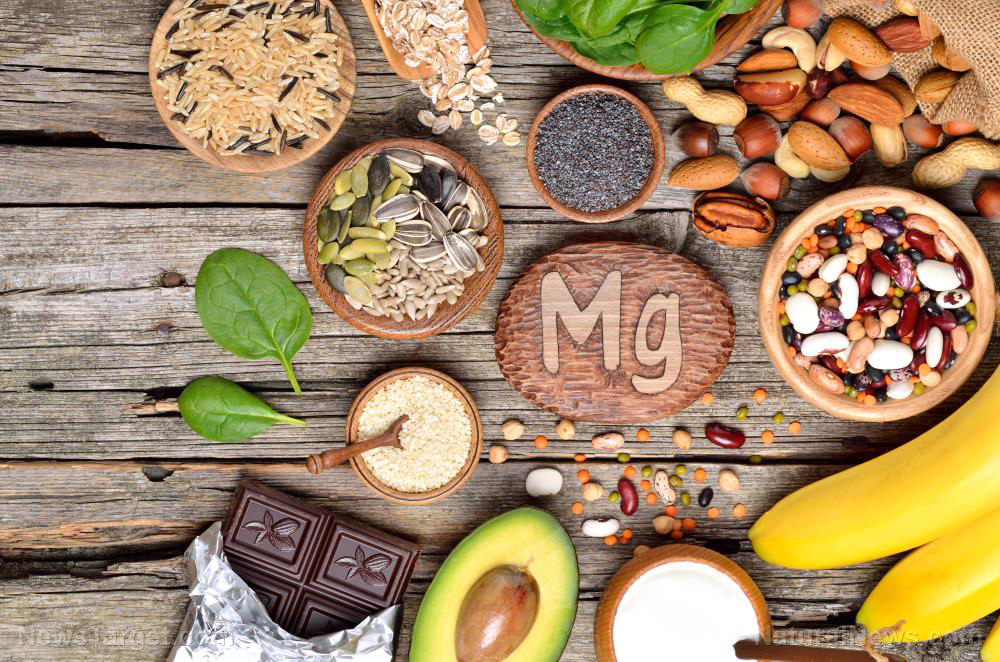
For decades, magnesium has been the unsung hero of the supplement world, taken for muscle cramps, stress relief, or better sleep. But a groundbreaking clinical trial from Vanderbilt University Medical Center has uncovered something far more profound: magnesium doesnât just relax muscles; it reshapes the gut microbiome in a way that locally produces vitamin D, directly inhibiting early colorectal cancer development.The findings, published inThe American Journal of Clinical Nutrition, reveal a biological pathway no one had connected to cancer prevention before. And with up to 50% of Americans deficient in magnesium, this research suggests a simple, overlooked tool may be hiding in plain sight.A cancer-fighting mechanism no one saw comingThe study, part of the Personalized Prevention of Colorectal Cancer Trial, enrolled 240 adults, all at high risk for colorectal cancer due to precancerous polyps. Participants were randomly assigned to receive personalized magnesium glycinate or a placebo for 12 weeks.Magnesium supplementation significantly boosted two key gut bacteria: Carnobacterium maltaromaticum and Faecalibacterium prausnitzii. These microbes donât just thrive; they ferment magnesium into active vitamin D inside the gut, where it acts directly on the colon lining. Unlike circulating vitamin D from sunlight or supplements, this localized form inhibits cancer cell growth right where it starts.Why most people are missing outMagnesium deficiency is an epidemic. Modern farming strips soil of minerals, leaving even healthy eaters deficient. Common medications, like proton pump inhibitors, diuretics, and diabetes drugs, leach magnesium from the body. Chronic stress, caffeine, and processed sugar accelerate losses. The result? A population unknowingly starved of a mineral that may be protecting their guts from cancer.The Vanderbilt trial used personalized magnesium doses, adjusting for each participantâs calcium intake to optimize absorption. This precision approach matters because not everyone benefits equally. Genetics play a role: those with the TRPM7 gene variant, which regulates magnesium uptake, saw the strongest gut microbiome shifts. Women, in particular, responded better, likely due to estrogenâs role in magnesium metabolism.A two-pronged defense against colorectal cancerColorectal cancer is one of the most preventable cancers, yet prevention strategies rarely mention magnesium. This study changes that. Magnesium doesnât just raise blood vitamin D; it creates a cancer-fighting form in the gut, where it matters most.For those at risk, the implications are huge. Instead of relying solely on colonoscopies or avoiding red meat, magnesium offers a proactive, low-cost defense. And unlike pharmaceuticals, it comes without side effects... just the added benefits of better sleep, stress resilience, and muscle function.How to harness magnesiumâs cancer-protective powerStart with diet: dark leafy greens, pumpkin seeds, black beans, and dark chocolate are rich sources. But soil depletion means supplementation is often necessary. Aim for 300 to 400 mg daily, adjusting based on calcium intake (a 2:1 calcium-to-magnesium ratio is ideal).Fermented foods such as kefir, sauerkraut, and kimchi support the very gut bacteria magnesium relies on. And cutting refined sugar, alcohol, and stress helps retain magnesium instead of flushing it away.A broken medical systemThis study exposes a glaring gap in mainstream medicine. While Big Pharma pushes expensive, toxic cancer treatments, simple nutrients like magnesium, which is backed by rigorous clinical trials, are ignored. Why? Because theyâre unpatentable. Thereâs no profit in telling people to eat more spinach or take a $10 magnesium supplement.Yet the evidence is clear: magnesium isnât just for cramps. Itâs a foundational tool for gut health, vitamin D synthesis, and cancer prevention. The question isnât whether you need magnesium; itâs whether you can afford not to take it.Sources for this article include:NaturalHealth365.comSciTechDaily.comNews.VUMC.org
The findings, published inThe American Journal of Clinical Nutrition, reveal a biological pathway no one had connected to cancer prevention before. And with up to 50% of Americans deficient in magnesium, this research suggests a simple, overlooked tool may be hiding in plain sight.A cancer-fighting mechanism no one saw comingThe study, part of the Personalized Prevention of Colorectal Cancer Trial, enrolled 240 adults, all at high risk for colorectal cancer due to precancerous polyps. Participants were randomly assigned to receive personalized magnesium glycinate or a placebo for 12 weeks.Magnesium supplementation significantly boosted two key gut bacteria: Carnobacterium maltaromaticum and Faecalibacterium prausnitzii. These microbes donât just thrive; they ferment magnesium into active vitamin D inside the gut, where it acts directly on the colon lining. Unlike circulating vitamin D from sunlight or supplements, this localized form inhibits cancer cell growth right where it starts.Why most people are missing outMagnesium deficiency is an epidemic. Modern farming strips soil of minerals, leaving even healthy eaters deficient. Common medications, like proton pump inhibitors, diuretics, and diabetes drugs, leach magnesium from the body. Chronic stress, caffeine, and processed sugar accelerate losses. The result? A population unknowingly starved of a mineral that may be protecting their guts from cancer.The Vanderbilt trial used personalized magnesium doses, adjusting for each participantâs calcium intake to optimize absorption. This precision approach matters because not everyone benefits equally. Genetics play a role: those with the TRPM7 gene variant, which regulates magnesium uptake, saw the strongest gut microbiome shifts. Women, in particular, responded better, likely due to estrogenâs role in magnesium metabolism.A two-pronged defense against colorectal cancerColorectal cancer is one of the most preventable cancers, yet prevention strategies rarely mention magnesium. This study changes that. Magnesium doesnât just raise blood vitamin D; it creates a cancer-fighting form in the gut, where it matters most.For those at risk, the implications are huge. Instead of relying solely on colonoscopies or avoiding red meat, magnesium offers a proactive, low-cost defense. And unlike pharmaceuticals, it comes without side effects... just the added benefits of better sleep, stress resilience, and muscle function.How to harness magnesiumâs cancer-protective powerStart with diet: dark leafy greens, pumpkin seeds, black beans, and dark chocolate are rich sources. But soil depletion means supplementation is often necessary. Aim for 300 to 400 mg daily, adjusting based on calcium intake (a 2:1 calcium-to-magnesium ratio is ideal).Fermented foods such as kefir, sauerkraut, and kimchi support the very gut bacteria magnesium relies on. And cutting refined sugar, alcohol, and stress helps retain magnesium instead of flushing it away.A broken medical systemThis study exposes a glaring gap in mainstream medicine. While Big Pharma pushes expensive, toxic cancer treatments, simple nutrients like magnesium, which is backed by rigorous clinical trials, are ignored. Why? Because theyâre unpatentable. Thereâs no profit in telling people to eat more spinach or take a $10 magnesium supplement.Yet the evidence is clear: magnesium isnât just for cramps. Itâs a foundational tool for gut health, vitamin D synthesis, and cancer prevention. The question isnât whether you need magnesium; itâs whether you can afford not to take it.Sources for this article include:NaturalHealth365.comSciTechDaily.comNews.VUMC.org
The findings, published inThe American Journal of Clinical Nutrition, reveal a biological pathway no one had connected to cancer prevention before. And with up to 50% of Americans deficient in magnesium, this research suggests a simple, overlooked tool may be hiding in plain sight.A cancer-fighting mechanism no one saw comingThe study, part of the Personalized Prevention of Colorectal Cancer Trial, enrolled 240 adults, all at high risk for colorectal cancer due to precancerous polyps. Participants were randomly assigned to receive personalized magnesium glycinate or a placebo for 12 weeks.Magnesium supplementation significantly boosted two key gut bacteria: Carnobacterium maltaromaticum and Faecalibacterium prausnitzii. These microbes donât just thrive; they ferment magnesium into active vitamin D inside the gut, where it acts directly on the colon lining. Unlike circulating vitamin D from sunlight or supplements, this localized form inhibits cancer cell growth right where it starts.Why most people are missing outMagnesium deficiency is an epidemic. Modern farming strips soil of minerals, leaving even healthy eaters deficient. Common medications, like proton pump inhibitors, diuretics, and diabetes drugs, leach magnesium from the body. Chronic stress, caffeine, and processed sugar accelerate losses. The result? A population unknowingly starved of a mineral that may be protecting their guts from cancer.The Vanderbilt trial used personalized magnesium doses, adjusting for each participantâs calcium intake to optimize absorption. This precision approach matters because not everyone benefits equally. Genetics play a role: those with the TRPM7 gene variant, which regulates magnesium uptake, saw the strongest gut microbiome shifts. Women, in particular, responded better, likely due to estrogenâs role in magnesium metabolism.A two-pronged defense against colorectal cancerColorectal cancer is one of the most preventable cancers, yet prevention strategies rarely mention magnesium. This study changes that. Magnesium doesnât just raise blood vitamin D; it creates a cancer-fighting form in the gut, where it matters most.For those at risk, the implications are huge. Instead of relying solely on colonoscopies or avoiding red meat, magnesium offers a proactive, low-cost defense. And unlike pharmaceuticals, it comes without side effects... just the added benefits of better sleep, stress resilience, and muscle function.How to harness magnesiumâs cancer-protective powerStart with diet: dark leafy greens, pumpkin seeds, black beans, and dark chocolate are rich sources. But soil depletion means supplementation is often necessary. Aim for 300 to 400 mg daily, adjusting based on calcium intake (a 2:1 calcium-to-magnesium ratio is ideal).Fermented foods such as kefir, sauerkraut, and kimchi support the very gut bacteria magnesium relies on. And cutting refined sugar, alcohol, and stress helps retain magnesium instead of flushing it away.A broken medical systemThis study exposes a glaring gap in mainstream medicine. While Big Pharma pushes expensive, toxic cancer treatments, simple nutrients like magnesium, which is backed by rigorous clinical trials, are ignored. Why? Because theyâre unpatentable. Thereâs no profit in telling people to eat more spinach or take a $10 magnesium supplement.Yet the evidence is clear: magnesium isnât just for cramps. Itâs a foundational tool for gut health, vitamin D synthesis, and cancer prevention. The question isnât whether you need magnesium; itâs whether you can afford not to take it.Sources for this article include:NaturalHealth365.comSciTechDaily.comNews.VUMC.org
A cancer-fighting mechanism no one saw comingThe study, part of the Personalized Prevention of Colorectal Cancer Trial, enrolled 240 adults, all at high risk for colorectal cancer due to precancerous polyps. Participants were randomly assigned to receive personalized magnesium glycinate or a placebo for 12 weeks.Magnesium supplementation significantly boosted two key gut bacteria: Carnobacterium maltaromaticum and Faecalibacterium prausnitzii. These microbes donât just thrive; they ferment magnesium into active vitamin D inside the gut, where it acts directly on the colon lining. Unlike circulating vitamin D from sunlight or supplements, this localized form inhibits cancer cell growth right where it starts.Why most people are missing outMagnesium deficiency is an epidemic. Modern farming strips soil of minerals, leaving even healthy eaters deficient. Common medications, like proton pump inhibitors, diuretics, and diabetes drugs, leach magnesium from the body. Chronic stress, caffeine, and processed sugar accelerate losses. The result? A population unknowingly starved of a mineral that may be protecting their guts from cancer.The Vanderbilt trial used personalized magnesium doses, adjusting for each participantâs calcium intake to optimize absorption. This precision approach matters because not everyone benefits equally. Genetics play a role: those with the TRPM7 gene variant, which regulates magnesium uptake, saw the strongest gut microbiome shifts. Women, in particular, responded better, likely due to estrogenâs role in magnesium metabolism.A two-pronged defense against colorectal cancerColorectal cancer is one of the most preventable cancers, yet prevention strategies rarely mention magnesium. This study changes that. Magnesium doesnât just raise blood vitamin D; it creates a cancer-fighting form in the gut, where it matters most.For those at risk, the implications are huge. Instead of relying solely on colonoscopies or avoiding red meat, magnesium offers a proactive, low-cost defense. And unlike pharmaceuticals, it comes without side effects... just the added benefits of better sleep, stress resilience, and muscle function.How to harness magnesiumâs cancer-protective powerStart with diet: dark leafy greens, pumpkin seeds, black beans, and dark chocolate are rich sources. But soil depletion means supplementation is often necessary. Aim for 300 to 400 mg daily, adjusting based on calcium intake (a 2:1 calcium-to-magnesium ratio is ideal).Fermented foods such as kefir, sauerkraut, and kimchi support the very gut bacteria magnesium relies on. And cutting refined sugar, alcohol, and stress helps retain magnesium instead of flushing it away.A broken medical systemThis study exposes a glaring gap in mainstream medicine. While Big Pharma pushes expensive, toxic cancer treatments, simple nutrients like magnesium, which is backed by rigorous clinical trials, are ignored. Why? Because theyâre unpatentable. Thereâs no profit in telling people to eat more spinach or take a $10 magnesium supplement.Yet the evidence is clear: magnesium isnât just for cramps. Itâs a foundational tool for gut health, vitamin D synthesis, and cancer prevention. The question isnât whether you need magnesium; itâs whether you can afford not to take it.Sources for this article include:NaturalHealth365.comSciTechDaily.comNews.VUMC.org
The study, part of the Personalized Prevention of Colorectal Cancer Trial, enrolled 240 adults, all at high risk for colorectal cancer due to precancerous polyps. Participants were randomly assigned to receive personalized magnesium glycinate or a placebo for 12 weeks.Magnesium supplementation significantly boosted two key gut bacteria: Carnobacterium maltaromaticum and Faecalibacterium prausnitzii. These microbes donât just thrive; they ferment magnesium into active vitamin D inside the gut, where it acts directly on the colon lining. Unlike circulating vitamin D from sunlight or supplements, this localized form inhibits cancer cell growth right where it starts.Why most people are missing outMagnesium deficiency is an epidemic. Modern farming strips soil of minerals, leaving even healthy eaters deficient. Common medications, like proton pump inhibitors, diuretics, and diabetes drugs, leach magnesium from the body. Chronic stress, caffeine, and processed sugar accelerate losses. The result? A population unknowingly starved of a mineral that may be protecting their guts from cancer.The Vanderbilt trial used personalized magnesium doses, adjusting for each participantâs calcium intake to optimize absorption. This precision approach matters because not everyone benefits equally. Genetics play a role: those with the TRPM7 gene variant, which regulates magnesium uptake, saw the strongest gut microbiome shifts. Women, in particular, responded better, likely due to estrogenâs role in magnesium metabolism.A two-pronged defense against colorectal cancerColorectal cancer is one of the most preventable cancers, yet prevention strategies rarely mention magnesium. This study changes that. Magnesium doesnât just raise blood vitamin D; it creates a cancer-fighting form in the gut, where it matters most.For those at risk, the implications are huge. Instead of relying solely on colonoscopies or avoiding red meat, magnesium offers a proactive, low-cost defense. And unlike pharmaceuticals, it comes without side effects... just the added benefits of better sleep, stress resilience, and muscle function.How to harness magnesiumâs cancer-protective powerStart with diet: dark leafy greens, pumpkin seeds, black beans, and dark chocolate are rich sources. But soil depletion means supplementation is often necessary. Aim for 300 to 400 mg daily, adjusting based on calcium intake (a 2:1 calcium-to-magnesium ratio is ideal).Fermented foods such as kefir, sauerkraut, and kimchi support the very gut bacteria magnesium relies on. And cutting refined sugar, alcohol, and stress helps retain magnesium instead of flushing it away.A broken medical systemThis study exposes a glaring gap in mainstream medicine. While Big Pharma pushes expensive, toxic cancer treatments, simple nutrients like magnesium, which is backed by rigorous clinical trials, are ignored. Why? Because theyâre unpatentable. Thereâs no profit in telling people to eat more spinach or take a $10 magnesium supplement.Yet the evidence is clear: magnesium isnât just for cramps. Itâs a foundational tool for gut health, vitamin D synthesis, and cancer prevention. The question isnât whether you need magnesium; itâs whether you can afford not to take it.Sources for this article include:NaturalHealth365.comSciTechDaily.comNews.VUMC.org
Source: NaturalNews.com