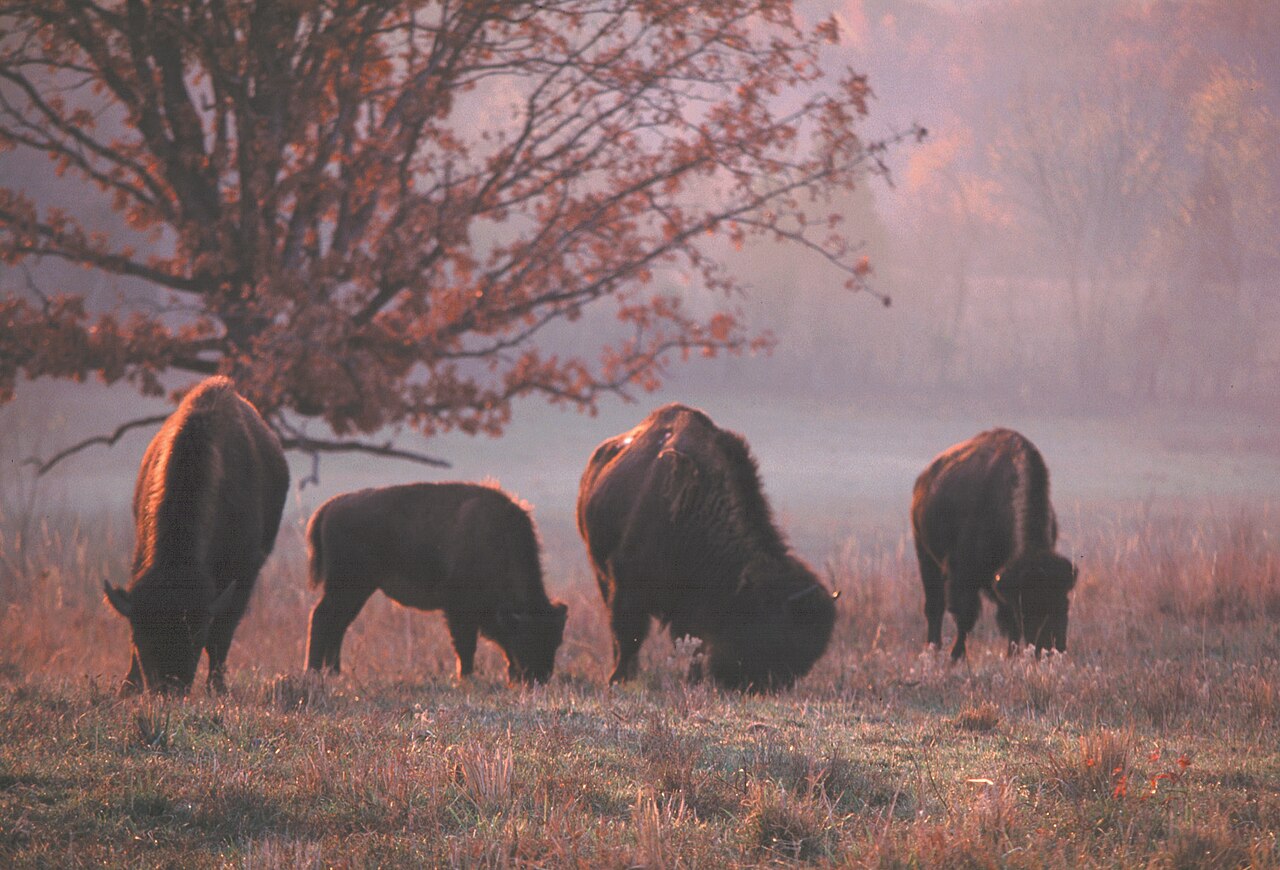
A federal dispute over bison grazing has placed conservation, ranching interests and public land policy in direct conflict across America's western grasslands.
The Trump administration has moved to cancel grazing permits tied to bison restoration in Montana, placing hundreds of bison at risk of removal from federal grasslands. At the centre of the dispute is American Prairie, a conservation group working to restore native grassland ecosystems in north-central Montana. The Bureau of Land Management previouslyauthorisedthe group to graze bison on six federal allotments covering about 63,500 acres of BLM-administered land. Now, under the Trump administration, that decision is being reversed.
The Trump administration has moved to evict wild bison herds from federal grasslands.pic.twitter.com/xjSIJpumzf
The policy shift focuses on how federal grazing laws define the animals allowed on public lands. The administration argues that grazing permits should apply to domestic livestock raised for production-oriented purposes, such as cattle and sheep.
That interpretation could exclude conservation bison herds, especially when they are managed for ecological restoration instead of meat production. According toInside Climate News, the decision could affect more than 950 bison managed by American Prairie.
American Prairie has pushed back against the move. The group argues that bison have been allowed to graze on federal land for years and that federal law does not clearly exclude them from grazing permits. It also says the decision ignores the role bison play in restoring prairie ecosystems, arguing that bison belong on these grasslands because they help shape the landscape through grazing, movement and natural disturbance.
For many ranchers in Phillips County, Montana, the decision is being seen as a victory. Local cattle producers have long opposed American Prairie's expansion, arguing that large-scale bison restoration could threaten ranching communities, land access and the local economy.
The Bureau of Land Management oversees livestock grazing across millions of acres of public land. For ranchers, these grazing rights are tied to family businesses, rural jobs and long-standing ways of life.
Supporters of the Trump administration's position argue that federal grasslands should continue to prioritise traditional agricultural use. They see the bison permits as a step away from working ranchland and towards conservation control.
Conservation groups warn that the Montana case could reach far beyond one herd. Earthjustice has raisedconcernsthat the administration's approach could threaten dozens of bison grazing permits across western states.
Source: International Business Times UK
