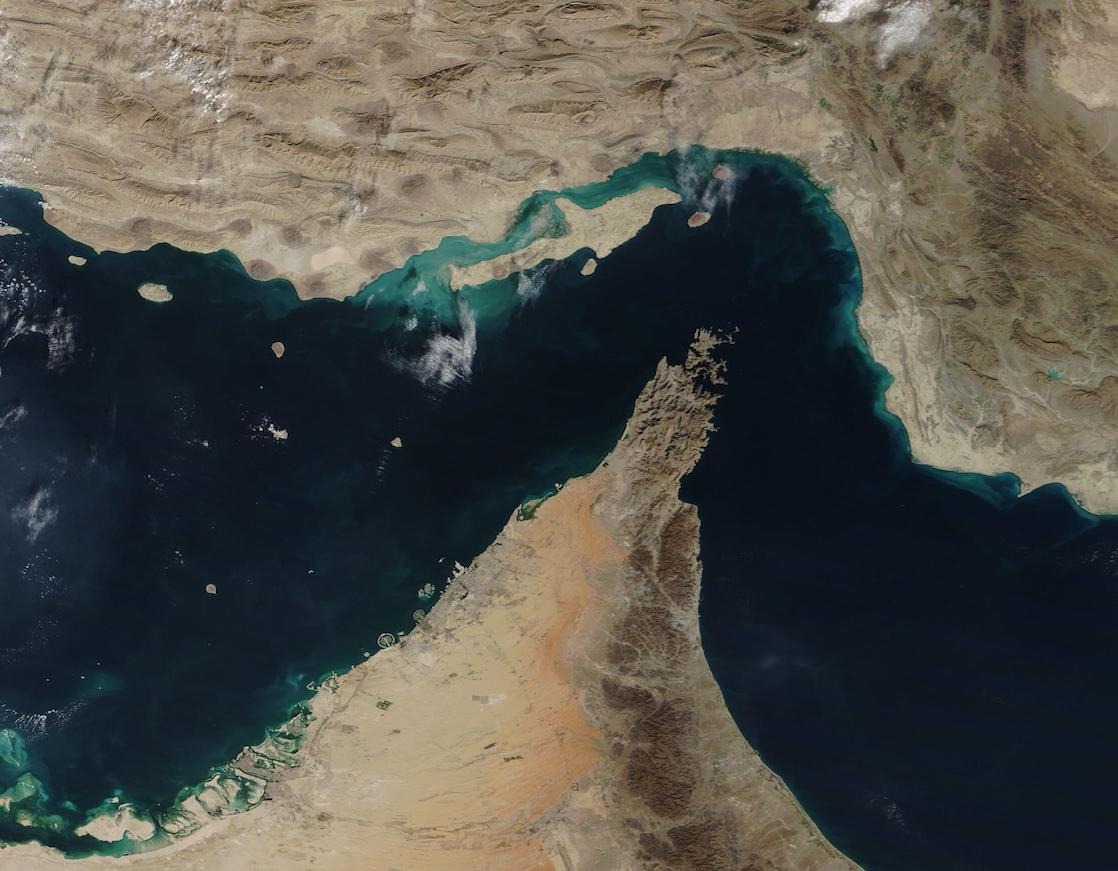
As the United States moves to reopen the Strait of Hormuz and restore freedom of navigation, Washington must not lose sight of the larger strategic reality: Hormuz is not the core issue. It is the latest instrument of Iranian blackmail.
The Islamic Republic of Iran has long mastered the politics of manipulation. It uses propaganda to project strength, disinformation to confuse public opinion, threats to intimidate the region, and negotiations to buy time. For decades, Tehran has delayed, promised, denied, escalated, and recalibrated — all while rebuilding its capabilities, consolidating its networks, and preserving the machinery of regime survival.
This is one of the regime's most effective methods: turning the original problem upside down.
At the beginning, the issue was Iran's nuclear program, its ballistic missiles, its terrorist proxies, and the future of the regime itself. Today, Tehran wants the world to discuss something else: how to reopen the Strait of Hormuz, how to avoid energy disruption, how to prevent escalation, and how to negotiate a temporary exit from the crisis. This is not diplomacy. It is strategy.
The regime creates a crisis, then demands to be treated as the indispensable party to solving it. It threatens regional stability, then asks for recognition when it reduces the threat. It uses escalation to shift the agenda from accountability to de-escalation.
Washington should not be fooled again.
The United States and its allies have tried nearly every approach: engagement, sanctions relief, warnings, indirect negotiations, limited pressure, and diplomatic patience. None has changed the essential nature of the Islamic Republic. The regime has used time not to moderate, but to adapt. It has used diplomacy not to reform, but to survive. That is why the next phase of Western strategy must begin from a different premise.
The Iranian regime is not sustained by ideology alone. It is sustained by money, contracts, ports, banks, smugglers, foundations, front companies, privileged merchants, terrorist proxies, and commercial collaborators. To weaken it, Washington must move beyond targeting only the men who command the regime. It must target the networks that feed it.
Break the economic architecture, and the political architecture begins to crack.
The Islamic Republic is not merely a government. It is an ecosystem of coercion. The clerics provide ideological cover. The Revolutionary Guards provide force. The security services provide repression. The propaganda machine provides fear. But the economic networks provide oxygen.
Source: Gatestone Institute :: Articles
