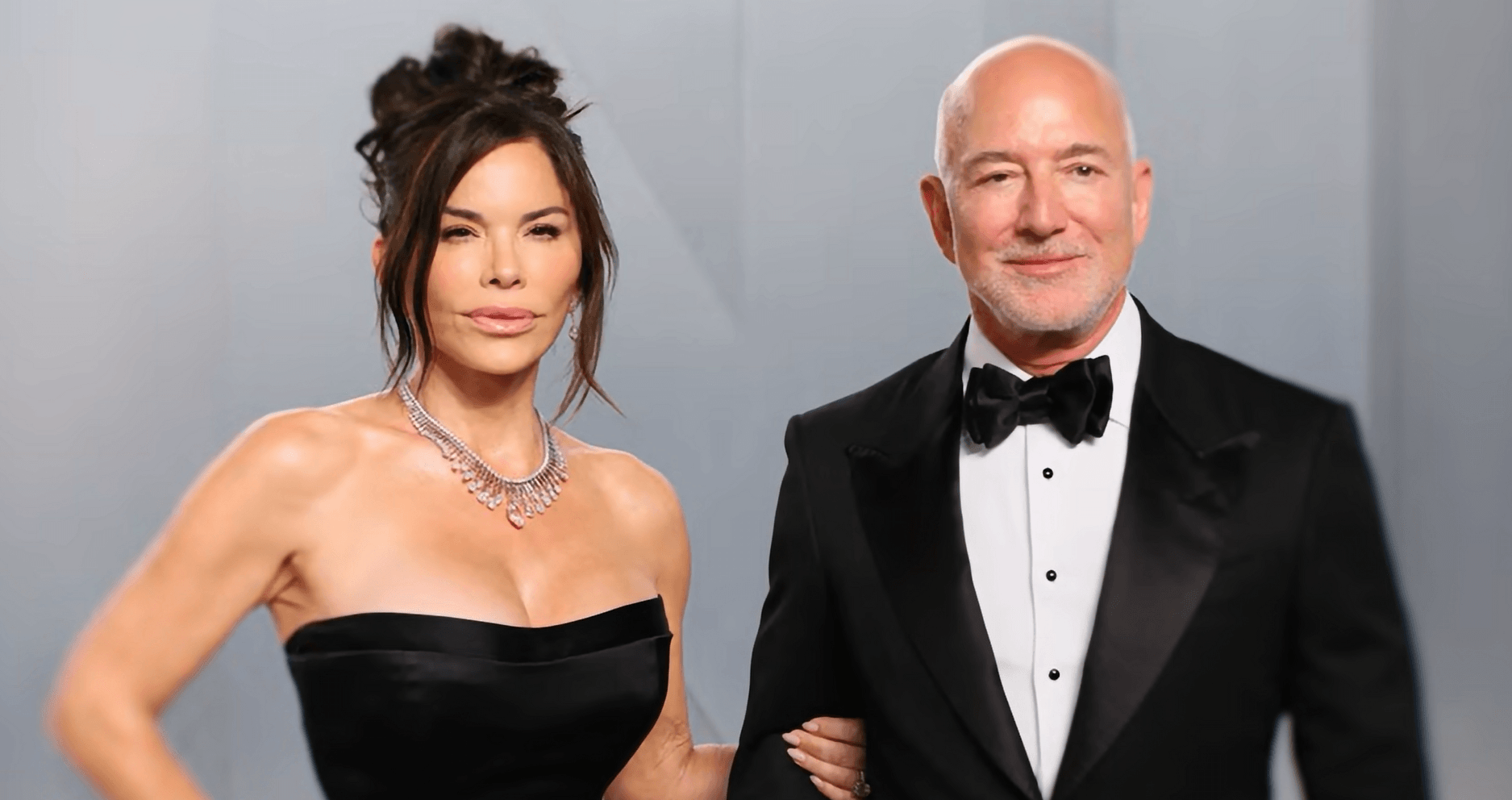
Met Gala protest tensions escalated in New York as one of fashion's most exclusive nights collided with political outrage, billionaire scrutiny, and a striking activist stunt inside the Metropolitan Museum of Art.
What is usually a tightly choreographed evening of couture and celebrity spectacle has instead become a cultural flashpoint.
As reported byThe New York Times, this year, the presence ofJeff Bezos and his wife, Lauren Sánchez Bezos, as honorary chairs has fuelled a wave of criticism, turning the Met Gala into a symbol of widening inequality and public frustration.
At the centre of the controversy is a fake urine protest at the Met Museum, staged by the activist groupEveryone Hates Elon. According to reporting, close to 300 bottles of fake urine were placed inside the museum ahead of the gala.
The group said the installation was meant to highlight complaints from Amazon warehouse workers about harsh conditions and limited bathroom breaks. In one of the most widely shared protest messages, activists projected the line, 'If You Can Buy the Met Gala, You Can Pay More Taxes', onto major New York landmarks, including the Empire State Building and the Chrysler Building.
The action reframed the museum space itself, turning a cultural institution into a stage for labour and inequality debates.
Could the Met Gala soon be a thing of the past? As stars threaten to snub $100k-per-ticket event over Jeff Bezos' sponsorship, how the charity it was invented to support has been quietly plotting to fund itselfhttps://t.co/5tTGFS4wgp
TheBezos Met Gala backlashbegan almost immediately after his role was announced in February. Opposition grew alongside rising anti-wealth sentiment in New York, where debates about affordability and inequality have become increasingly central in local politics.
Newly elected Mayor Zohran Mamdani added political weight to the moment when he confirmed he would skip the gala, saying his focus is on 'affordability', a break from the tradition of mayoral attendance.
The decision was widely interpreted as a signal of shifting attitudes toward elite cultural events in the city.
Source: International Business Times UK