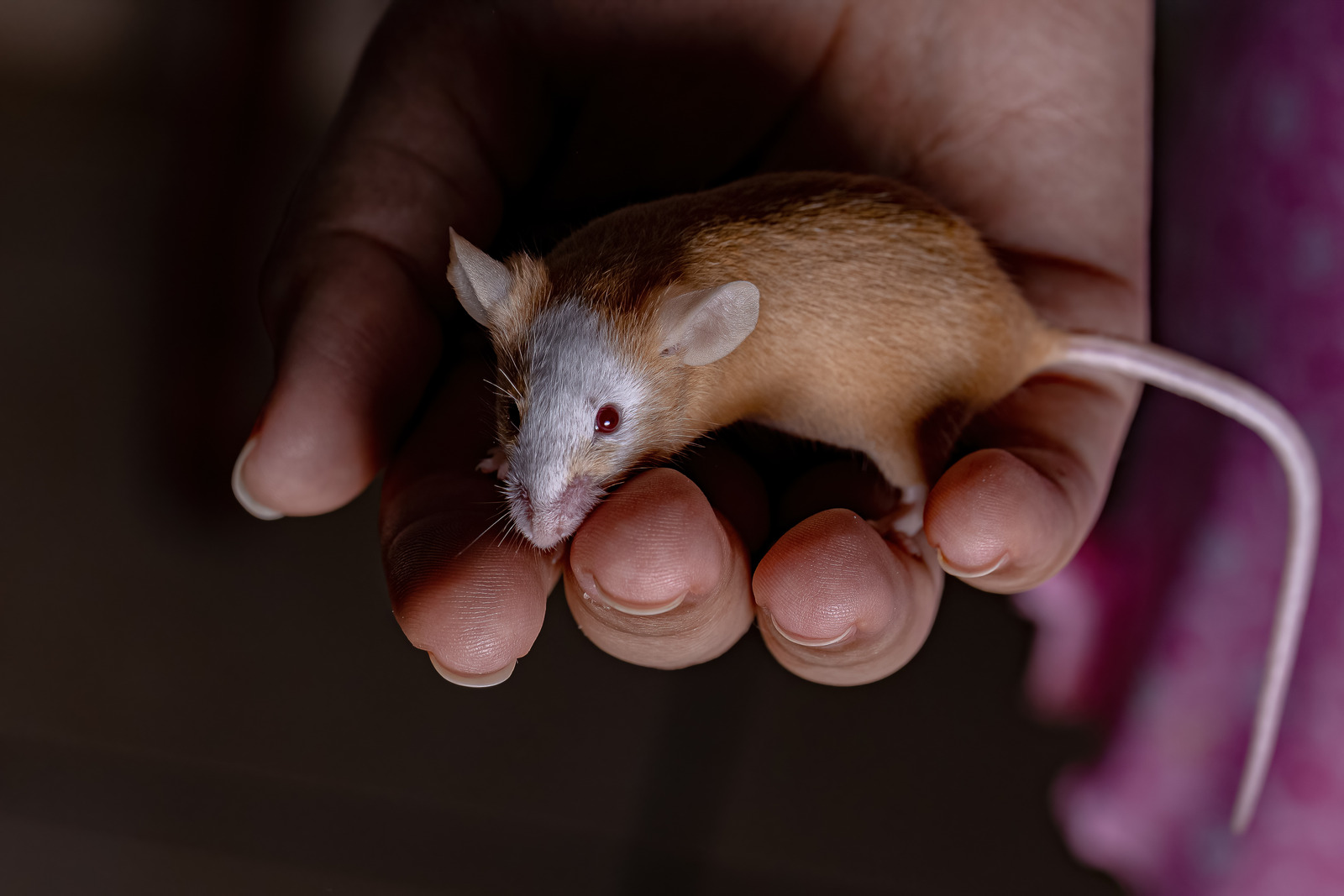
A suspected hantavirus outbreak aboard the Dutch expedition vesselMV Hondius has left three passengers deadand several others critically ill, turning a little-known rodent-borne virus into aninternational health concern overnight.
The World Health Organization has confirmed one laboratory-positive case, with five additional infections under investigation as the ship remains under emergency management off Cape Verde.
The headlines have inevitably triggered a more visceral public question: if hantavirus spreads through rodent urine and droppings, does every mouse infestation now amount to a lethal threat? The answer is no. But that does not make the current incident trivial, and it does expose how poorly understood this virus still is outside medical circles.
Hantavirus is not carried by all mice, nor are all droppings infectious. The virus belongs to a family of rodent-associated pathogens, and transmission depends on two conditions being met. First, the rodent species must be a known carrier. Second, that individual animal must actually be infected.
In North America, for example, the principal carrier of the Sin Nombre strain,which causes Hantavirus Pulmonary Syndrome, is the deer mouse. Other wild rodents such as cotton rats, rice rats and white-footed mice can also host related strains. The common urban house mouse is not considered the main hantavirus reservoir in the US.
Even within carrier populations, infection rates are not universal. Field surveillance studies typically find only a minority of wild rodents actively shedding the virus at any one time.
That distinction matters because social media reaction to the cruise ship outbreak has drifted quickly into broad claims that 'mouse droppings kill'. They can, under the wrong circumstances.
You cannot tell by looking whether rodent droppings came from an infected carrier. No visible marker exists. Health authoritiessuch as the Centers for Disease Control and Prevention, therefore, recommend treating all wild rodent contamination as potentially hazardous, especially in enclosed settings.
What should not be done is often the thing people instinctively do first: sweep or vacuum. Dry cleaning aerosolises contaminated dust. That is the pathway experts specifically warn against.
Instead, the area should be ventilated, soaked thoroughly with disinfectant or diluted bleach, left for several minutes, then wiped using gloves and sealed disposal bags. Respiratory protection is advised if contamination is extensive.
Source: International Business Times UK
