UK food prices are projected to be 50 per cent higher by November than they were at the start of the cost-of-living crisis in mid-2021, according to new analysis from theEnergy and Climate Intelligence Unit. The think tank said the milestone would compress nearly two decades of pre-crisis price growth into just over five years.
The projection draws on a revised forecast from theFood and Drink Federationpublished on 1 April, which expects food inflation to reach at least 9 per cent by December. The FDF had previously forecast that figure would ease to around 3 per cent this year but reversed course after the closure of theStrait of Hormuzdisrupted global oil and gas supply.
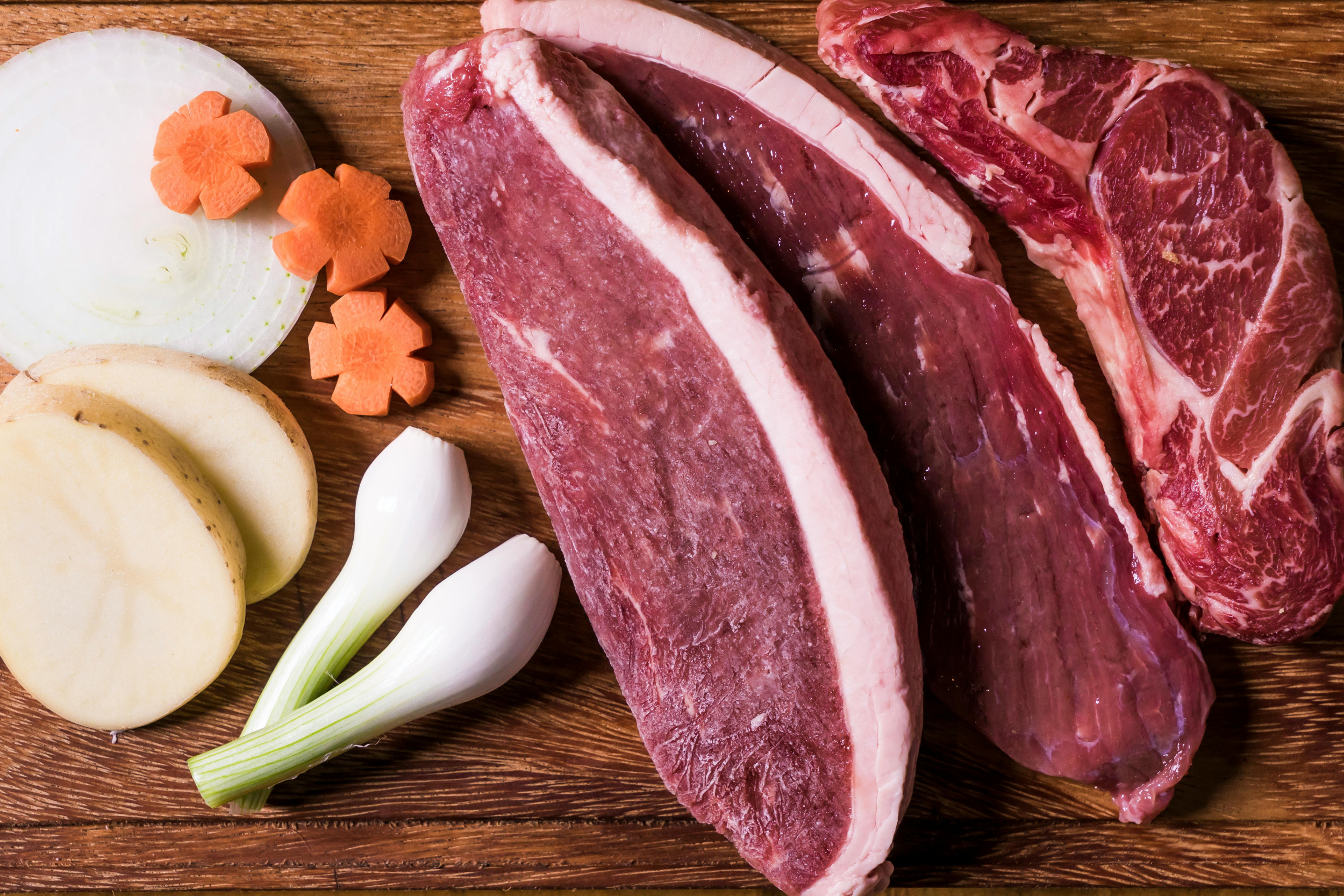
Olive oil has already surged 113 per cent since July 2021. Beef is up 64 per cent, eggs 59 per cent, chocolate 58 per cent and frozen vegetables 55 per cent, the ECIU found. The rises reflect the sensitivity of those staples to volatile fossil fuel prices, synthetic fertiliser costs and extreme weather events, both in the UK and in countries it imports from.
Separate ECIU analysis found that food price inflation hits the bottom fifth of UK households 50 per cent harder than the wealthiest fifth, meaning the crisis is widening inequality at the checkout. The Food Foundation estimates the most deprived households would need to spend 45 per cent of their disposable income to afford a government-recommended healthy diet. For the poorest families with children, that share rises to 70 per cent.
Anna Taylor, executive director of the Food Foundation, said the speed of the increases was leaving low-income families with no room left to cut. 'When that happens, people skip meals, children go hungry, and diet-related illness rises—taking parents out of work and piling pressure on an NHS that can least afford it,' she said,ITV Newsreported.
Taylor called the conflict in the Middle East the 'latest shock in a series' and urged the government to build a food system capable of withstanding repeated disruptions rather than responding to each one in isolation.
The FDF said its revised forecast assumes the Strait of Hormuz reopens to cargo within two to three weeks and that key oil, gas and fertiliser facilities return to normal within a year. Red diesel prices have already risen 80 per cent since the conflict began, and the federation warned that smaller food producers buyingenergy on spot marketsare experiencing immediate cost spikes.
Chris Jaccarini, food and farming analyst at the ECIU, said the Middle East conflict was set to push shopping bills higher as oil and gas prices spike. He warned that scientists were predicting 2027 to be the hottest year on record as climate change combines with the El Nino effect. Three of England's worst harvests on record have come in the past five years.
Five climate-affected foods - butter, milk, beef, chocolate and coffee - have been responsible for much of the recent upward pressure, with prices for those products rising more than four times faster than other food and drink, the ECIU said. Over 2022 and 2023 alone, the combination of energy and weather shocks pushed the average UK household food bill up by £605 ($802).
Grocery inflation currently stands at 3.8 per cent, according to Worldpanel by Numerator data for the four weeks to 19 April. But the researcher warned that the impact of theIran conflicthad not yet filtered through to supermarket shelves. Spending on promotional items jumped 7.8 per cent year-on-year during the same period, suggesting households are already bracing for worse.
Source: International Business Times UK
