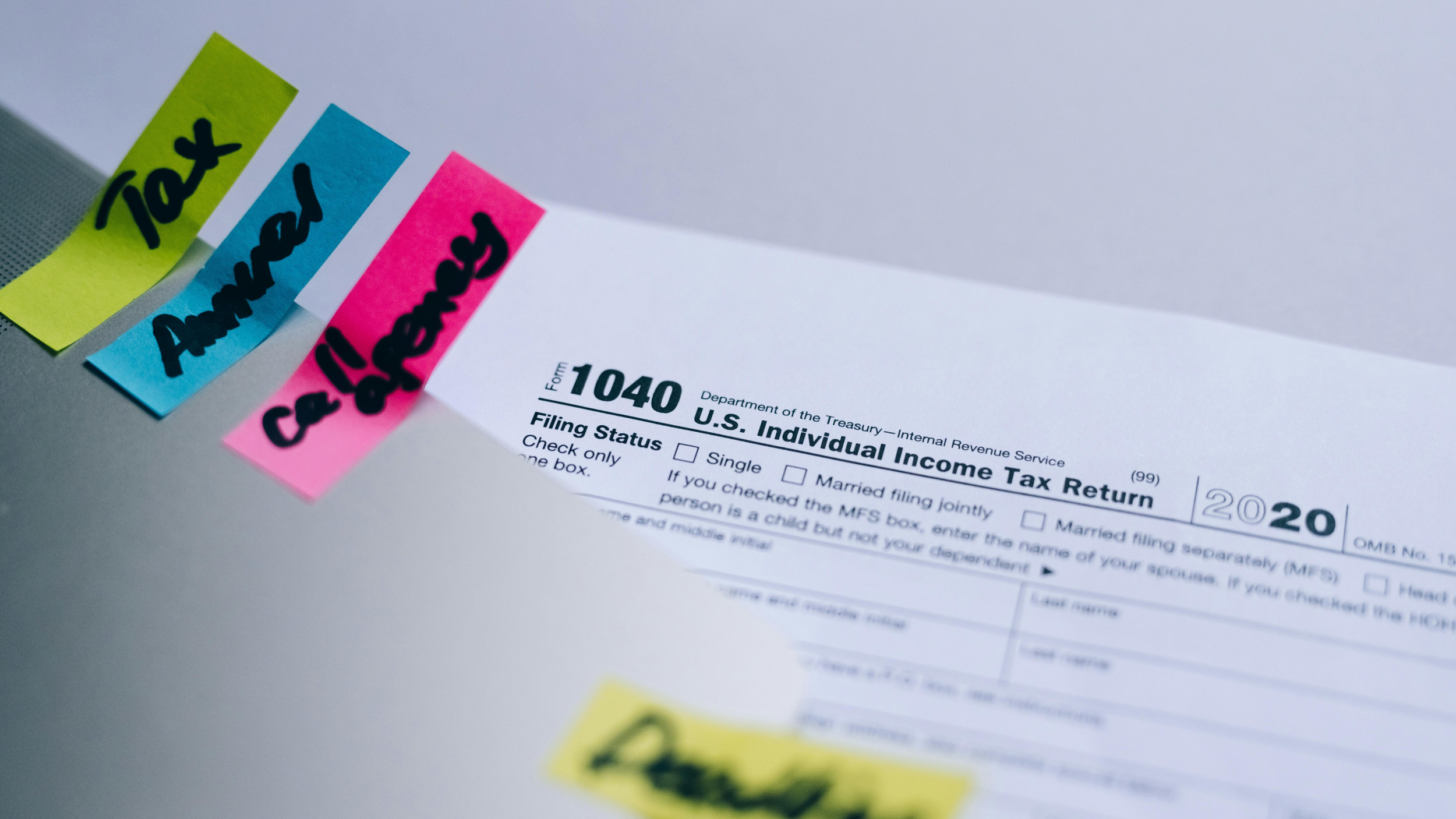
Taxpayers may still reclaim pandemic-era penalties, yet a little-known July cutoff could shut the door. There is a quiet race under way in the US tax system. It is not being advertised. It is not widely understood. Yet it could decide whether millions of people recover money they never should have paid.
At the centre of it lies a court ruling, a disputed interpretation of law, and a deadline that is now only days away. The warning comes from Erin Collins, the US National Taxpayer Advocate, who has raised concerns that ordinary taxpayers may miss out while better-advised claimants move quickly.
The issue traces back to the pandemic. In November 2025, a US court ruling in Kwong v. The United States challenged how the Internal Revenue Service applied penalties during Covid-19. The judgement centred on a provision in the tax code that pauses deadlines during a national disaster. Covid-19 was declared such a disaster from January 2020 until May 2023. With an additional 60-day buffer, the pause effectively extended to July 2023.
The court found that deadlines during this entire period should have been suspended. That interpretation carries major implications. If deadlines were paused, then many filings and payments were not late. If they were not late, penalties and interest should not have been charged.
A separate ruling in Abdo v. Commissioner reached a similar conclusion, strengthening the legal argument. The IRS does not agree. It maintains that the rule requires a clear end date to apply automatically. The US Department of Justice is expected to appeal.
The potential scope is vast. According to Collins, the affected group includes individuals, small businesses, large corporations, estates and trusts. Penalties that may now be open to challenge include failure-to-file and failure-to-pay charges, estimated tax penalties, and interest applied during the pandemic window.
The sums vary. Some individuals may be owed a few hundred dollars. Others, especially business owners dealing with payroll or international filings, could be looking at far larger amounts.
The scale becomes clearer when set against IRS data. In the 2022 fiscal year alone, the agency issued more than 12 million estimated tax penalties and over 16 million failure-to-pay penalties, totalling more than $12 billion.
While the IRS has already refunded about $1.2 billion under earlier relief measures, the reach of the Kwong ruling is potentially much wider.
Despite the stakes, awareness remains low. Claims must be filed by 10 July 2026. There is no online system. Applications must be submitted on paper. Collins has warned that this creates a divide. Those with legal or tax advisers are more likely to act in time. Others may not even realise they are eligible.
Source: International Business Times UK