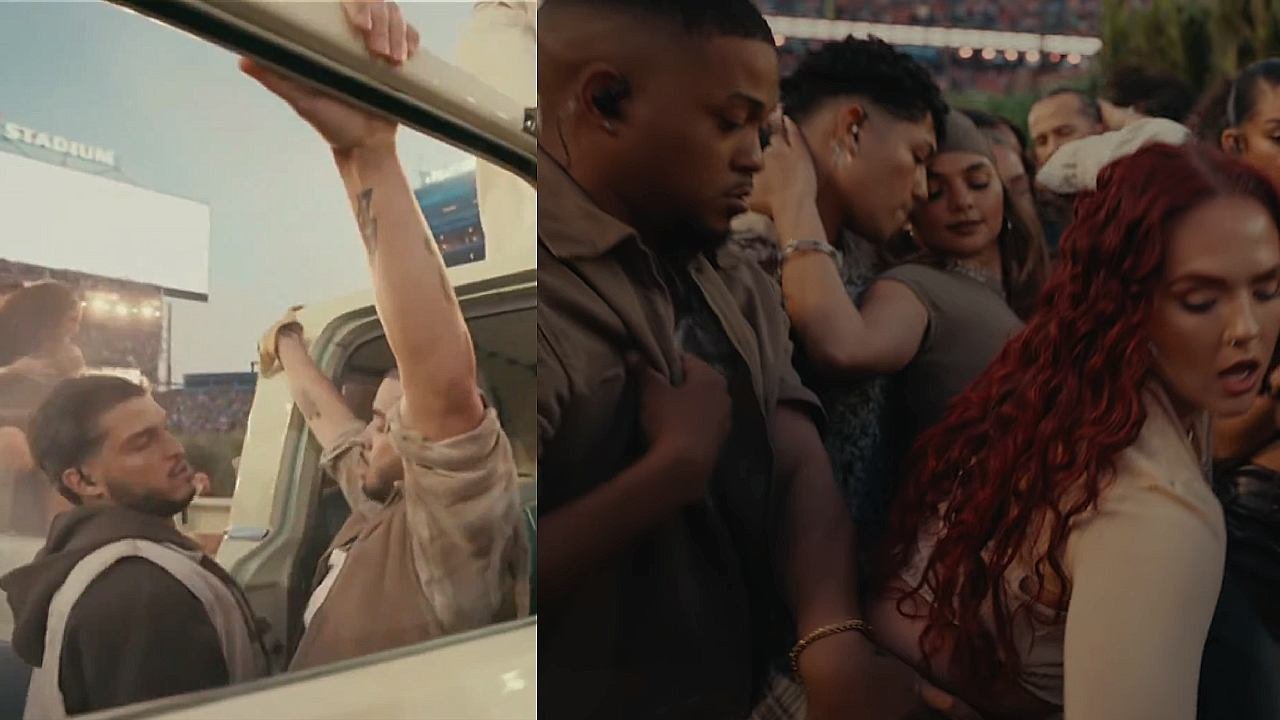
In a stunning rebuke to the NFL's latest foray into cultural experimentation, millions of American viewers tuned out during Sunday's Super Bowl LX halftime show, featuring an all-Spanish lineup headlined by reggaeton stars Bad Bunny and Karol G. What was billed as a vibrant celebration of Latin heritage devolved into a spectacle of scantily clad dancers and explicit choreography, prompting a mass exodus from living rooms across the country. Nielsen ratings revealed a precipitous 28 million viewer drop from the first half's 112 million audience, marking the largest halftime hemorrhage in league history.
The performance, entirely in Spanish with no English translations or subtitles, showcased high-energy tracks like Bad Bunny's "Tití Me Preguntó" and Karol G's "TQG," accompanied by dancers in revealing outfits simulating provocative routines. Critics decried the show's hyper-sexualization, drawing comparisons to past controversies like Miley Cyrus's 2013 twerk-fest but amplified by its linguistic exclusivity. Families, a core NFL demographic, expressed outrage on social media, with #NFLOut and #SpanishOnlySuperBowl trending worldwide as parents shielded children from what one viral post called "porno parade en el fútbol."
Behind the scenes, the NFL had partnered with TelevisaUnivision to target Hispanic audiences amid league efforts to diversify its fanbase, which now includes over 40 million Latino viewers annually. Commissioner Roger Goodell defended the choice in a post-game statement, touting it as "inclusive programming," but insiders whisper of internal dissent, with advertisers like Coca-Cola and Pepsi reportedly blindsided by the backlash. Viewership among non-Hispanic households plummeted 35%, per preliminary data, underscoring a cultural chasm in prime-time entertainment.
This isn't the first time the NFL has navigated halftime minefields; from Janet Jackson's wardrobe malfunction to The Weeknd's dystopian visuals, the show has long been a battleground for America's culture wars. Yet the Spanish-only format represents a bold pivot, alienating English-speaking heartland fans who view the Super Bowl as a unifying national ritual. Analysts point to rising nativist sentiments, fueled by immigration debates, as accelerating the boycott, with conservative influencers like Ben Shapiro amplifying calls to #BoycottNFL.
Looking ahead, the fallout could reshape NFL strategy. With streaming platforms like Netflix eyeing live sports rights, the league faces pressure to reclaim its traditional base. Sponsors are already recalibrating ad buys, and player unions murmur about image risks. As one media executive quipped, "You don't win football fans with salsa when they're craving touchdowns." The halftime flop serves as a stark reminder: in an era of fractured identities, pandering to one slice risks losing the pie.