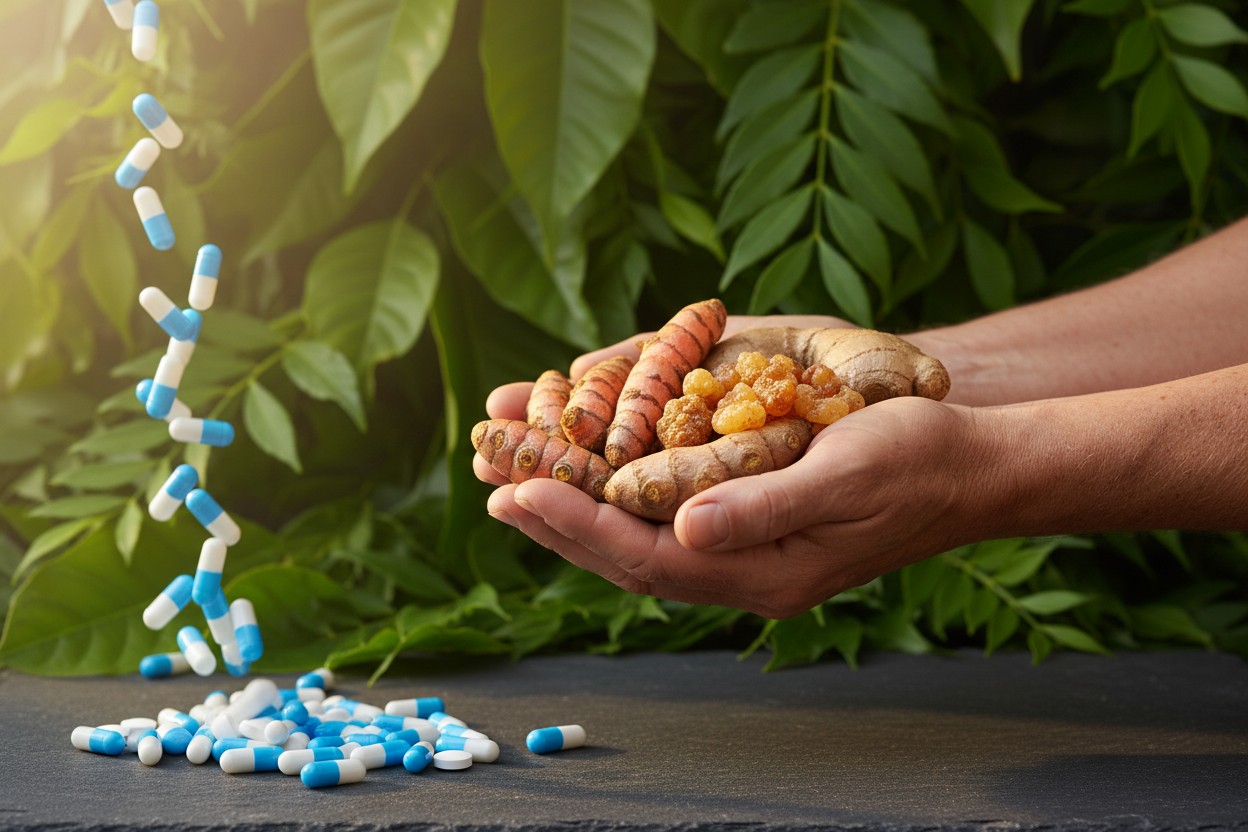
Millions of Americans grapple with the debilitating pain of arthritis, a condition that stiffens joints and erodes quality of life, but a growing movement is turning to nature's own arsenal for relief. From the golden spice turmeric to the humble ginger root, everyday plants are emerging as potent allies against inflammation, challenging the dominance of pharmaceutical interventions and sparking a cultural shift toward self-empowerment in health management.
Turmeric, long revered in Ayurvedic medicine, contains curcumin, a compound with powerful anti-inflammatory properties backed by numerous clinical studies. Research published in the Journal of Medicinal Food shows that curcumin supplementation can reduce arthritis symptoms as effectively as some NSAIDs, like ibuprofen, but without the gastrointestinal side effects. Patients report less swelling and improved mobility after consistent use, often combining it with black pepper to enhance absorption—a simple hack rooted in ancient wisdom now validated by modern science.
Ginger and boswellia serrata join the frontline, with ginger's gingerols offering pain-relieving effects comparable to over-the-counter drugs, according to a meta-analysis in Osteoarthritis and Cartilage. Boswellia, derived from the resin of the frankincense tree, inhibits inflammatory enzymes, leading to significant joint function improvements in trials involving osteoarthritis sufferers. These remedies, accessible in grocery stores or supplement aisles, underscore a broader trend: as distrust in Big Pharma grows amid opioid crises and vaccine debates, consumers are reclaiming control through diet and botanicals.
Contextually, this "nature's pharmacy" approach aligns with a cultural backlash against medical industrialization. Advocacy groups like the Arthritis Foundation now endorse complementary therapies, while influencers and wellness communities amplify success stories on platforms once dominated by drug ads. Yet, experts caution that while these options empower, they're not panaceas—consulting physicians remains crucial, especially for those on medications, to avoid interactions.
Analyzing the implications, the rise of natural arthritis relief fuels a larger culture war narrative: individual agency versus institutional dependency. With arthritis affecting over 58 million U.S. adults and costs exceeding $300 billion annually, scalable, low-cost plant-based solutions could disrupt markets and policy debates. As one rheumatologist noted anonymously, "Patients empowered by nature often need less intervention, flipping the script on chronic care economics." This movement isn't just about pain relief—it's a reclamation of bodily autonomy in an era of contested health narratives.
