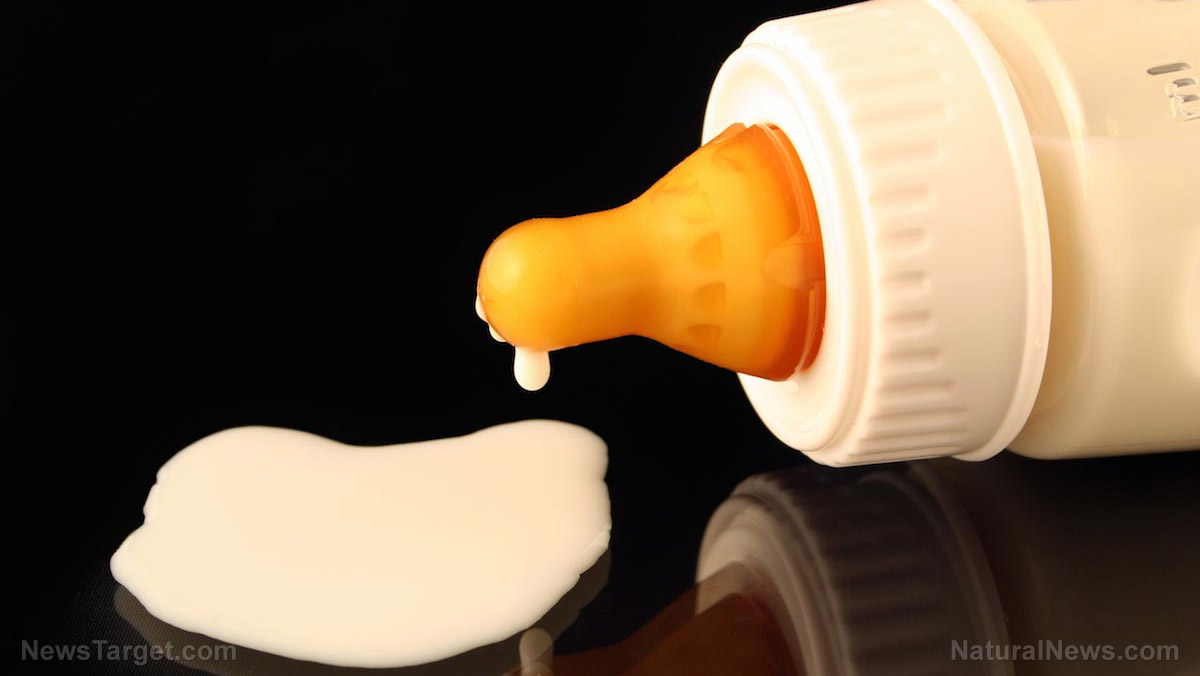
In a chilling development for new parents nationwide, at least a dozen infants have been hospitalized with botulism poisoning traced back to ByHeart infant formula, prompting urgent recalls and igniting fierce debates over regulatory oversight. Health officials in multiple states confirmed the outbreak last week, with Clostridium botulinum spores detected in contaminated batches distributed through major retailers. Symptoms including lethargy, poor feeding, and respiratory distress appeared in babies as young as two weeks old, underscoring the vulnerability of this population to even trace levels of the deadly toxin.
The Centers for Disease Control and Prevention (CDC) has launched a full-scale investigation, linking the cases to ByHeart's Whole Nutrition Formula, a product marketed as a premium alternative to traditional options with added prebiotics and organic ingredients. ByHeart, a New York-based startup backed by celebrity investors and venture capital, swiftly recalled over 500,000 cans on Friday after lab tests from affected families corroborated the contamination. Company executives expressed devastation in a statement, vowing to enhance manufacturing protocols at their Ohio facility, but critics point to repeated FDA warnings about inadequate sterilization processes in the nascent formula industry.
Compounding the crisis are revelations of ByHeart's close ties to the American Academy of Pediatrics (AAP), the influential body that shapes infant feeding guidelines. Documents obtained by independent investigators show the AAP received substantial funding from ByHeart for research grants and endorsed the formula in promotional materials as recently as last year. This relationship raises eyebrows amid accusations of conflicts of interest, as the AAP has long championed breastfeeding while selectively promoting certain formulas—potentially sidelining safety vetting in favor of industry partnerships.
The outbreak exposes gaping holes in the U.S. food safety net for infant products, an industry plagued by chronic shortages and corner-cutting since the 2022 Abbott Nutrition crisis. Unlike stricter European standards mandating advanced spore-killing technologies, FDA regulations for powdered formula allow low levels of botulinum spores, a policy rooted in decades-old assumptions now under fire. Experts like Dr. Sarah Thompson, a pediatric toxicologist, warn that climate-driven supply chain disruptions have forced manufacturers to source riskier ingredients, amplifying vulnerabilities in a market dominated by just a handful of players.
As lawsuits pile up from affected families seeking accountability, this scandal thrusts infant nutrition back into the culture wars fray, pitting Big Formula's profit motives against parental rights and government competence. Lawmakers on both sides of the aisle are demanding hearings, with calls for mandatory third-party audits and bans on AAP corporate endorsements gaining traction. For now, parents are advised to switch to verified alternatives, but the incident serves as a stark reminder that in the high-stakes world of baby food, trust in institutions may be the first casualty.
