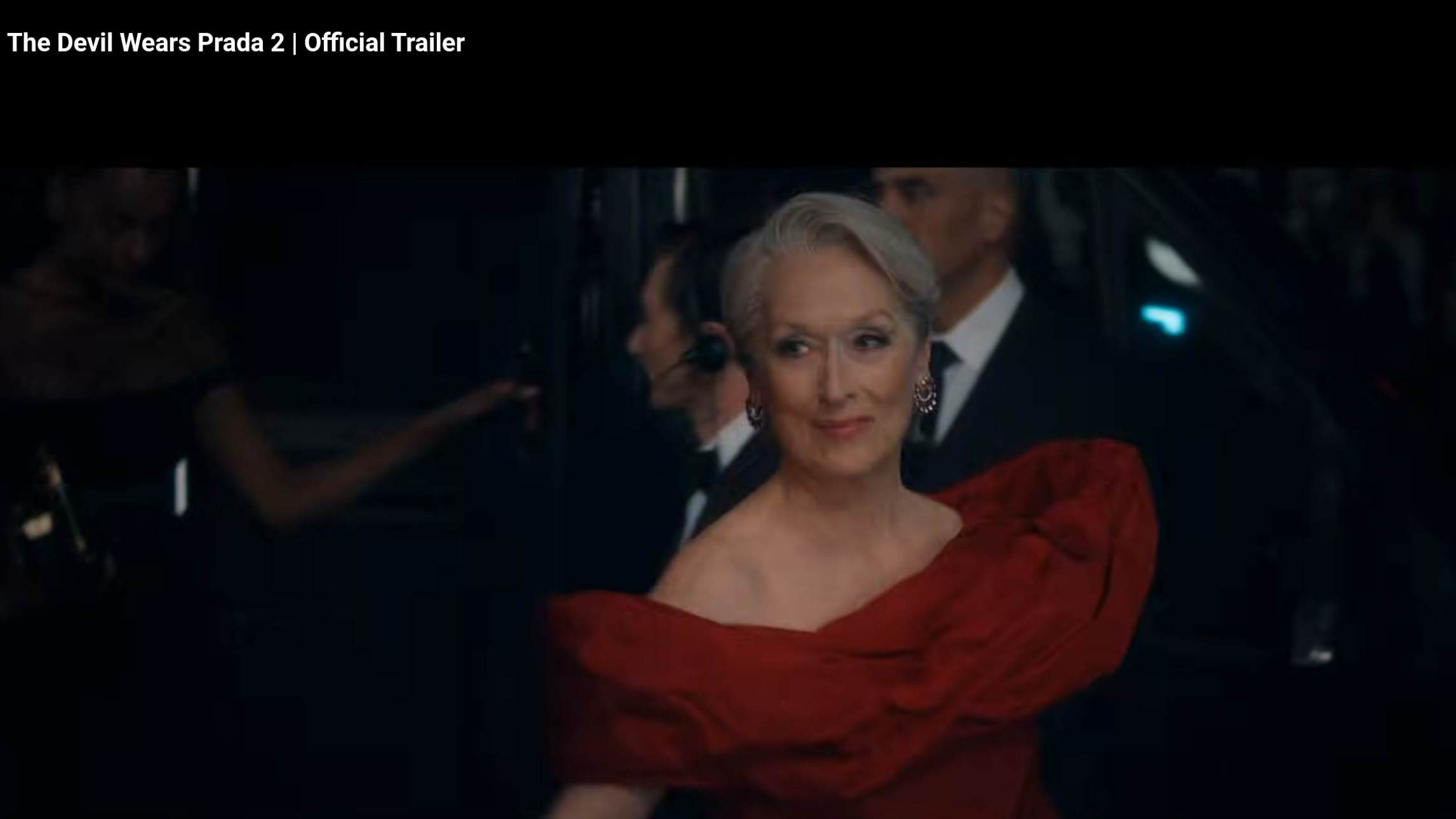
In the high-pressure world of fictional fashion journalism, few figures command as much respect and visceral fear as Miranda Priestly, Meryl Streep's famous character from 'The Devil Wears Prada.' Two decades after she first graced the screen, experts and audiences alike are revisiting the character to understand the specific mechanics of her professional influence.
This enduring fascination suggests that the 'TDWP' antagonist represents more than a cinematic villain; it serves as a case study in executive presence. And she doesn't have to say a word to command.
A recent analysis of Streep's character, Miranda Priestly, highlights the power of subtlety over explosive confrontation. Kishori Sud of EnigmaTarotTribe, an IPHM-certified Spiritual Life Coach and Energy Worker, weighed in on how Miranda commands authority based on facial reading. The Sud said the character's authority stems from her ability to suppress outward reactions. By maintaining a frigid, unmoving exterior, she forces those around her to fill the silence with their own anxieties and insecurities.
'She did not need dramatic reactions; her face did the work,' Sudexplained. 'From a face reading and body language perspective, Miranda is a perfect example of how emotional control can become its own form of leadership.'
This control is most evident in her micro-expressions, such as a solitary raised eyebrow or prolonged, unwavering eye contact. These small gestures communicate more disappointment or command than a raised voice ever could.
The strategic use of silence creates a psychological pressure cooker for her subordinates, particularly Andy Sachs (Anne Hathaway). This lack of verbal affirmation requires employees to constantly second-guess their performance, keeping the power balance firmly in Priestly's favour. Her leadership style proves that in many corporate environments, the person who says the least often holds the most influence.
While the audience saw a woman in total command, the reality for Meryl Streep was different, especially how her character had changed in the sequel. 'The Devil Wears Prada 2' shows some of Miranda's vulnerability, especially when she opens up about her divorce and how her demanding job has taken a toll on her personal life. The award-winning actress approved of humanising her character.
'I don't know. I feel like you get a realistic view,' Streep said about the changes of her character in 'TDWP 2.'
Apparently, she is happy that her character is as complex and not 'Marvel-ize' where the audience only sees a character as a hero or villain. Streep admits that she finds this 'so boring.'
'And what's really interesting about life is that some of the heroes are flawed and some of the villains are human and interesting and have their own strengths,' she explains. 'So that's what I like about this one. It's messier.'
Source: International Business Times UK
