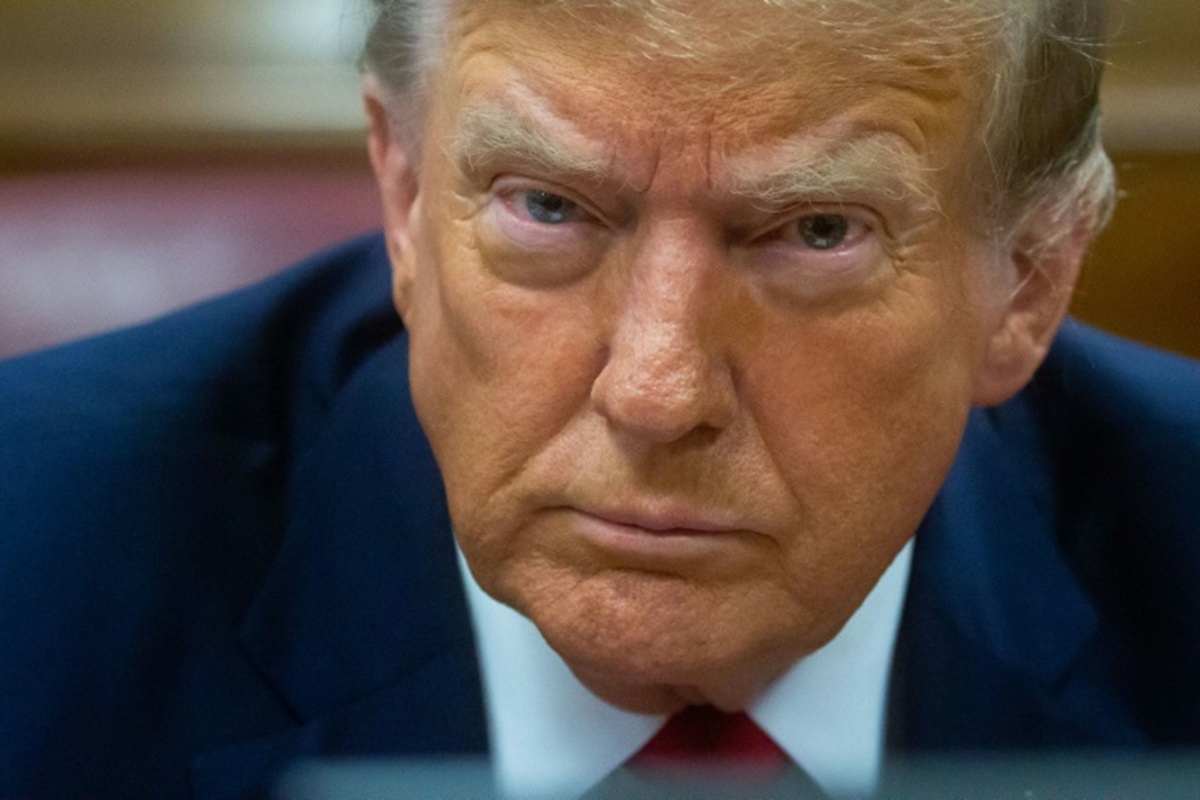
Sixty-five days into the most significant American military engagement since Iraq, Donald Trump has declared Iran's latest peace proposal effectively unacceptable, and Tehran's military commanders are already preparing for what comes next.
On 2 May 2026,Iran submitted a 14-point peace proposalthrough Pakistani intermediaries, requesting all issues be resolved and the war formally concluded within 30 days.Trump posted on Truth Socialthat he 'can't imagine that it would be acceptable in that they have not yet paid a big enough price for what they have done to Humanity, and the World, over the last 47 years.' Earlier that same day, he had told reporters outside the White House: 'They want to make a deal, but I'm not satisfied with it,' adding bluntly, 'They're asking for things that I can't agree to.'
The14-point plan, reported by Iran's semi-official Tasnim and Fars news agencies, both considered close to the IRGC, is Tehran's most comprehensive diplomatic offering since hostilities began. It calls for guarantees of non-aggression, the withdrawal of US forces from the vicinity of Iran, the lifting of the naval blockade, the release of frozen Iranian assets, the removal of sanctions, and an end to the war 'on all fronts,' including Lebanon.
Critically, Iranian Foreign Ministry spokesperson Esmaeil Baghaei confirmed on state television that the proposal 'exclusively focuses on ending the war and contains no issues related to the nuclear domain.' Tehran was deliberately deferring the conflict's hardest fight, nuclear restrictions, betting Washington would accept a ceasefire first.
A senior Iranian official, speaking anonymously, said Tehran believed shelving nuclear talks for a later stage was 'a significant shift aimed at facilitating an agreement,' under which the war would end with a guarantee that Israel and the United States would not attack again. Analysts noted the offer was likely to be rejected because it does not address the core issue Trump cited when bombing began on 28 February: ensuring Iran cannot build an atomic weapon. Georgetown University's Paul Musgrave assessed that Trump appeared to have rejected the proposal 'without reading it or being briefed on it.'
President Trump tells me in a brief phone conversation:The new Iranian proposal is not acceptable. “It’s not acceptable to me. I’ve studied it, I’ve studied everything – it’s not acceptable.”
On 28 February 2026, US and Israeli forces launched nearly 900 strikes in 12 hours. The opening wave killed Supreme Leader Ali Khamenei and dozens of other officials, and also killed approximately 170 civilians when a missile struck a girls' school adjacent to a naval base in Minab.
APakistani-brokered ceasefiretook hold on 8 April. It has been unravelling ever since. Trump stated at an 8 April press conference that Lebanon was not included in the ceasefire, directly contradicting Pakistani Prime Minister Shehbaz Sharif's public claim that it was. Israel then launched its most intense wave of strikes on Lebanon since the truce was announced.
The US Treasury's Office of Foreign Assets Control has since published guidance explicitly warning that any payment, including digital assets, informal swaps, or in-kind transfers, to Iran or the IRGC for Strait of Hormuz passage would violate US law.
Iran's security establishment wasted no time responding to Trump's dismissal. General Mohammad Jafar Asadi, deputy of the Iranian military headquarters, said via the Fars news agency that 'the armed forces are fully prepared for any new adventures or foolishness from the Americans.'
Source: International Business Times UK
