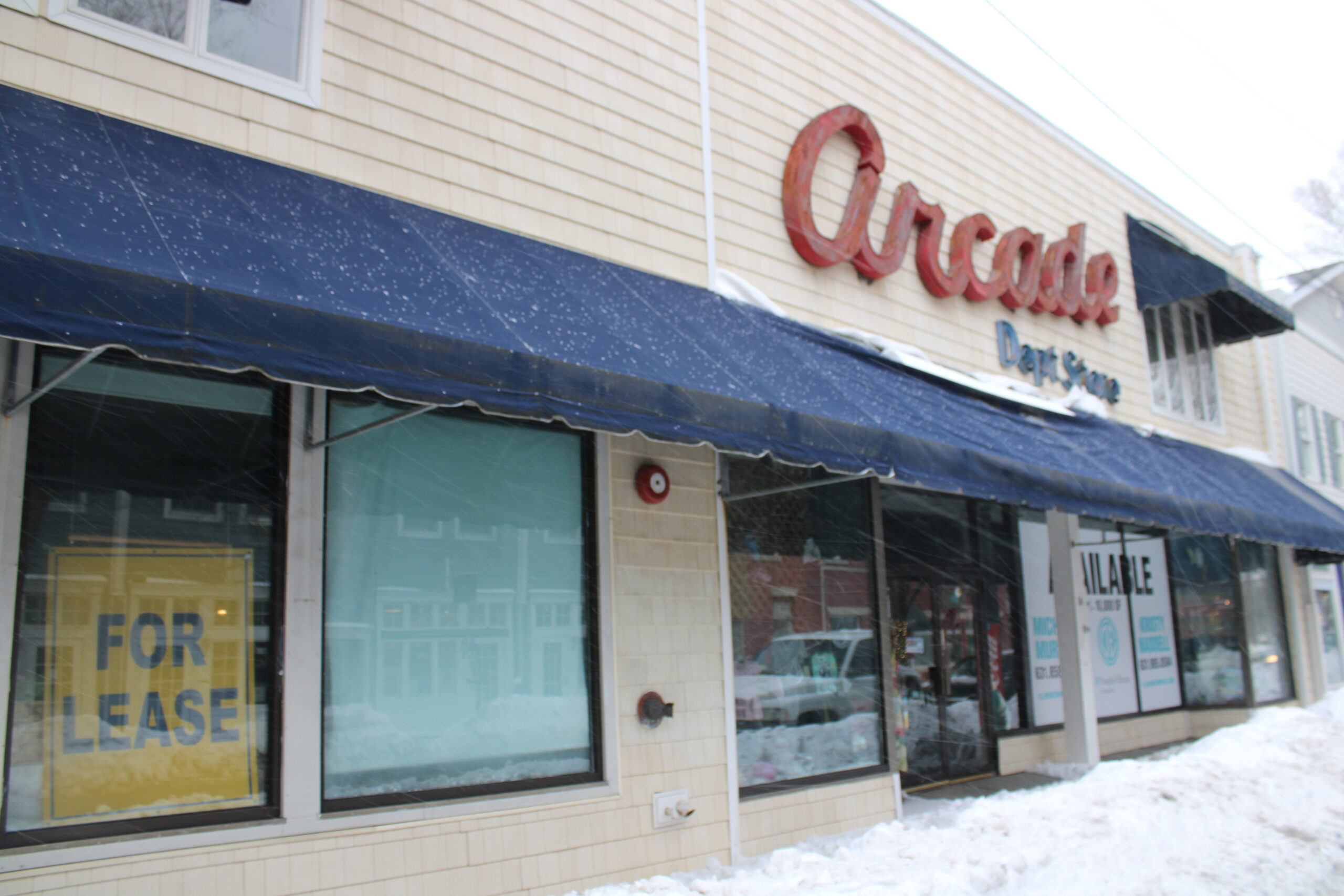
A comprehensive plan by Greenport officials is overdue. The loss of commerce is exacerbated by an uneven economy, increasing costs and stubborn inflation. Greenport needs to brand itself, create vibrancy, activity and commercial growth. Looking to Patchogue, Sag Harbor and Babylon is helpful. There are many ideas; here are just a few.
First, the vacant stores call for tax abatement to mitigate expenses and incentivize rental. An ordinance directing vacant storefronts to appropriately decorate empty store windows helps with the aesthetics. A village website promoting local business including a brief ad and a link to the businesses is a form of a private/public partnership.
Out in the community, abandoned cars should be removed and vacant buildings inspected for violations, dangerous conditions and infestation, reducing hazards and improving “the look”. Block parties can encourage neighborhood camaraderie, while community-driven barbecues and local bike races add pleasant activity.
Grants and ideas are urgently needed for improvements, preservation, climate mitigation, business and tourism.
“Right to Farm” laws don’t mean farmers are always right. They don’t preempt local governments from regulating farms, and SEQR Type II exemptions don’t prohibit them from conducting other forms of environmental review for proposals.Duck farms wreaked havoc on Long Island after 1873, when ducks were imported from Pekin, China. In 1949, Southold Town enacted a “Duck Law” requiring a permit before a commercial enterprise could raise or keep a duck. The law states specific minimum information required for a permit application, and says: “In no case, however, shall a permit be granted if a building, structure or enclosure containing ducks is located nearer than 50 feet to a property line or dwelling or nearer than 100 feet to a street line.”
Chicken manure is more toxic than duck manure, which is “cool,” with high moisture, low ammonia and a balanced ratio of nitrogen, phosphorus and potassium. Chicken manure is “hot”; high in nitrogen and ammonia. Duck manure is safe to apply directly to plants; chicken manure must be composted first. Egg-laying hens’ “broody poop” is wetter than other chicken manure and harder to spread evenly without composting
Certified Humane® standards set 6,000 egg-laying hens as the maximum that can be raised on 15 acres of pasture. At a density of 108 square feet per hen, a farm must be managed with extreme precision or the chickens destroy vegetation and excrete excessive amounts of nitrogen and ammonia. Their scratching disturbs soil more than cattle grazing. Excessive nitrogen is already causing severe adverse impacts on Long Island. The current site plan application exhibits extreme vagueness.
Before the Planning Board, the applicant described the proposed farm as a paradise on earth: “It’s all natural. It’s as healthy as it can be … We won’t be cracking eggs. We won’t be killing chickens.” The Planning Board did not question his assertions that eggs will not crack and chickens will live forever at “Rejuvenate Farms.”
Your story about the owners of Tanger Outlets wanting their restaurant restrictions removed (“Zoning laws put dent in Tanger sales,” April 23) should have been titled “High rent puts dent in Tanger sales” because that is the actual cause of their empty storefronts. It’s simple: If they want a higher occupancy rate, they just need to lower their rents.
From your article, it seems that encouraging Tanger shoppers to visit downtown restaurants is no longer a concern. Allowing that Route 58 restaurants may have impacted the number of customers the downtown restaurants receive, that still does not justify removing zoning restrictions concerning dining options at Tanger: those restrictions still serve the same purpose for our Route 58 restaurants.
Source: The Suffolk Times
