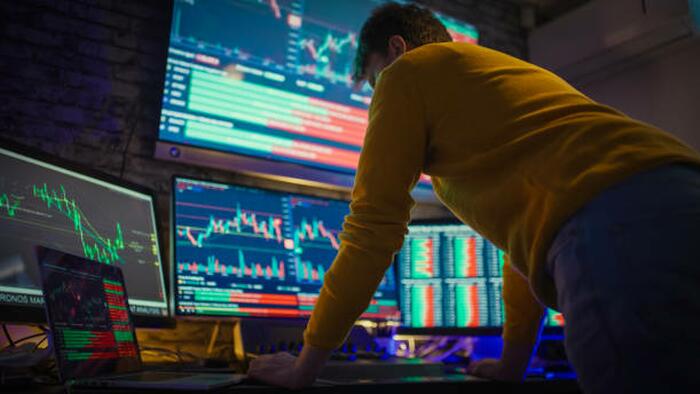
U.S. stock index futures hovered near flatline territory early Monday, clawing back steep overnight losses as jittery traders positioned themselves for a make-or-break week laden with Federal Reserve signals, inflation data, and blockbuster corporate earnings. The S&P 500 futures trimmed a 1.2% pre-dawn plunge triggered by a brutal selloff in Asian markets, where China's deepening property crisis and fresh tariff threats from the Trump administration reignited fears of a global growth slowdown. Nasdaq futures, meanwhile, pared a sharper 1.5% drop, buoyed slightly by pre-market gains in megacap tech names amid speculation of AI-driven resilience.
The rebound came against a backdrop of heightened volatility, with the VIX—Wall Street's fear gauge—edging up 5% to 22.7, signaling persistent unease. Overnight, Tokyo's Nikkei tumbled 2.8% on weak export data, while Hong Kong's Hang Seng shed 3.1% as investors dumped property developers amid Beijing's faltering stimulus efforts. European futures pointed modestly lower at the open, pressured by sticky Eurozone inflation readings that dashed hopes for aggressive ECB rate cuts. In the U.S., Treasury yields stabilized after a late-Friday spike, with the 10-year note hovering at 4.35%, as bond vigilantes eyed the Fed's upcoming policy pivot.
Traders are laser-focused on this week's marquee events, starting with Tuesday's CPI report, expected to show core inflation ticking up to 3.2% amid rising energy costs and supply chain snarls from Red Sea disruptions. Wednesday's FOMC meeting looms largest, with markets pricing in a 65% chance of a 25-basis-point rate cut, though hawkish rhetoric from Chair Powell could shatter that complacency. Big Tech earnings dominate Thursday and Friday, headlined by Tesla's post-earnings meltdown preview and Amazon's cloud computing update, both critical tests for the AI hype cycle amid regulatory scrutiny over data privacy and antitrust probes.
Sentiment on trading floors remains taut, with hedge fund managers like those at Citadel warning of "asymmetric downside risks" from geopolitical flashpoints, including escalating U.S.-China trade frictions and Middle East tensions. Retail investors, empowered by apps like Robinhood, showed fleeting optimism via surging call option volumes in meme stocks, but institutional flows favored defensive sectors like utilities and consumer staples. "This week could redefine the 2026 narrative—either soft landing confirmed or recession priced in," said Mike Wilson, chief strategist at Morgan Stanley, encapsulating the high-stakes brinkmanship.
Beyond the numbers, the market's nervous poise underscores deeper fissures in the economic landscape, where persistent inflation battles cultural and policy wars over energy independence and fiscal spending. With midterm elections on the horizon, any dovish Fed surprise could fuel a risk-on rally, propelling equities toward new highs, while hotter-than-expected data might accelerate the great rotation out of growth stocks into value plays favored by populist investors. As futures hold steady, the Street braces for turbulence, betting on resilience in an era of unrelenting uncertainty.