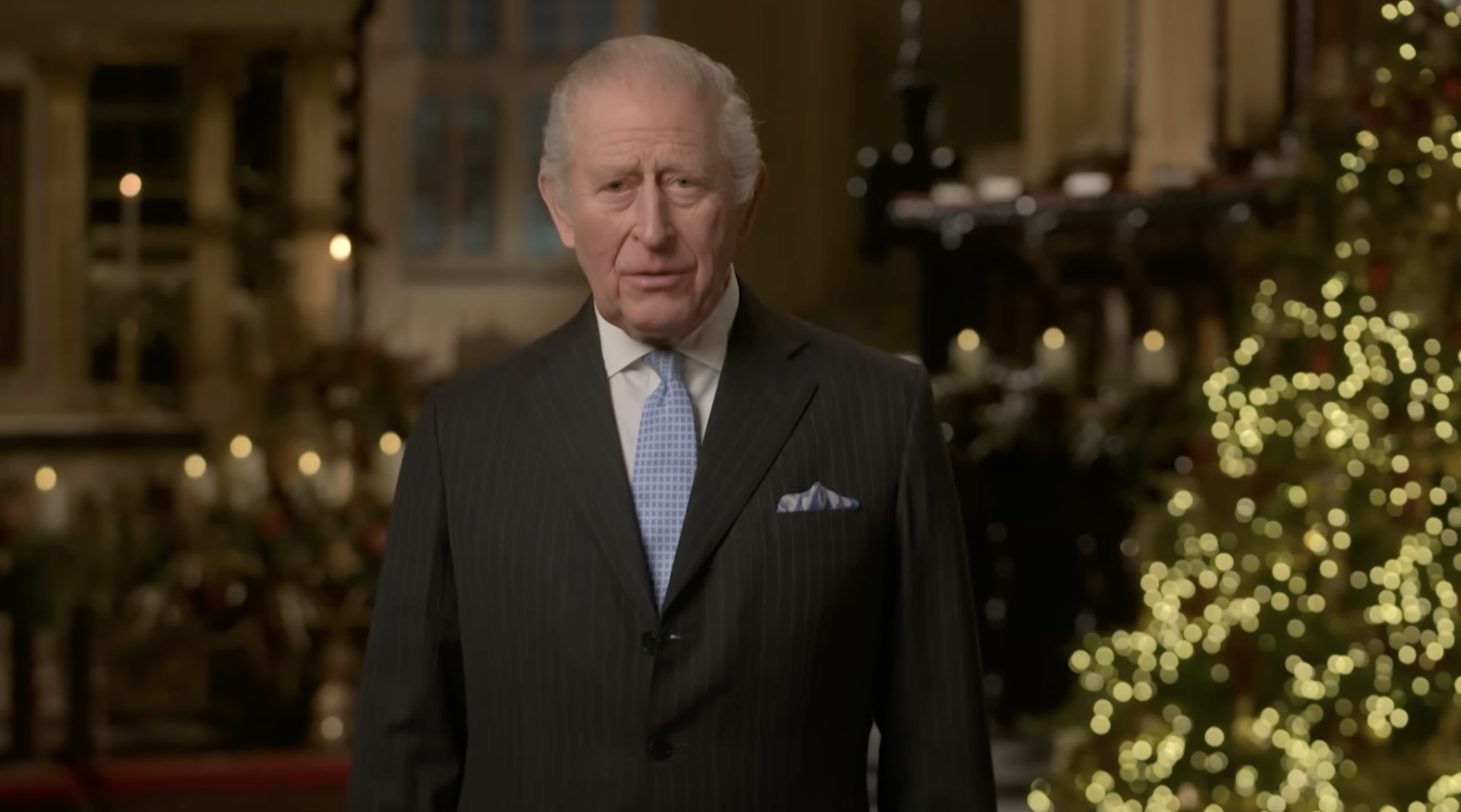
The first thing to say is that no, King Charles is not secretly a vampire.
He does, however, have a bloodline that takes a curious detour through one of Europe's most notorious rulers. Follow the royal family tree back far enough and you land in 15th‑century Wallachia, at the feet of Vlad III — Vlad Țepeș, Vlad the Impaler — the man whose brutality helped give Bram Stoker'sDraculaits fanged mythology.
And in a twist almost too on the nose for a gothic novel, the cancer‑stricken monarch now owns a cluster of properties in the very region once ruled by his alleged ancestor.
The genealogical claim sounds like pub trivia, but it is taken seriously enough by royal historians. Charles is often described as Vlad's great‑grandson 16 times removed, with the line traced through Queen Mary — Mary of Teck — the wife of George V and great‑great‑grandmother ofQueen Elizabeth II.
Royal author Robert Hardman laid it out on theQueens, Kings and Dastardly Thingspodcast, sketching a dynastic route that winds from a 'minor princely house fromGermany' to the House of Windsor. Mary of Teck was originally destined to marry the Duke of Clarence, son and heir of Edward VII. When he died, she married his brother instead — the future George V. From there, the succession runs: George V, then George VI, then Elizabeth II, and finally Charles.
The link to Vlad, preserved across multiple noble branches, is one of those strange quirks of European aristocracy: centuries of intermarriage mean that half the continent's royal houses end up related, at least distantly, to half the other tyrants.
Historian David Hughes set the claim out in his multi‑volumeThe British Chronicles, tracing Charles's ancestry back to Vlad III. The Wallachian ruler held power intermittently between 1448 and 1476, and became infamous for ordering enemies impaled on wooden stakes. Contemporary accounts describe forests of bodies; it is not subtle stuff.
Stoker, writingDraculain 1897, borrowed the name and the legend of cruelty, but not much else. His count is a supernatural predator in a Transylvanian castle; Vlad was a brutal, very human warlord in what is now Romania. Still, the pop‑culture shorthand has stuck. Once you have 'Dracula' and 'royal bloodline' in the same sentence, it barely matters that the vampire is fictional.
What makes this more than a genealogical party trick, though, is that Charles has not left the connection on paper.
Over the past quarter‑century, the King has built a very real foothold in Transylvania. What began as a visit in 1998, when he was still Prince of Wales, has deepened into something almost proprietorial.
Source: International Business Times UK
