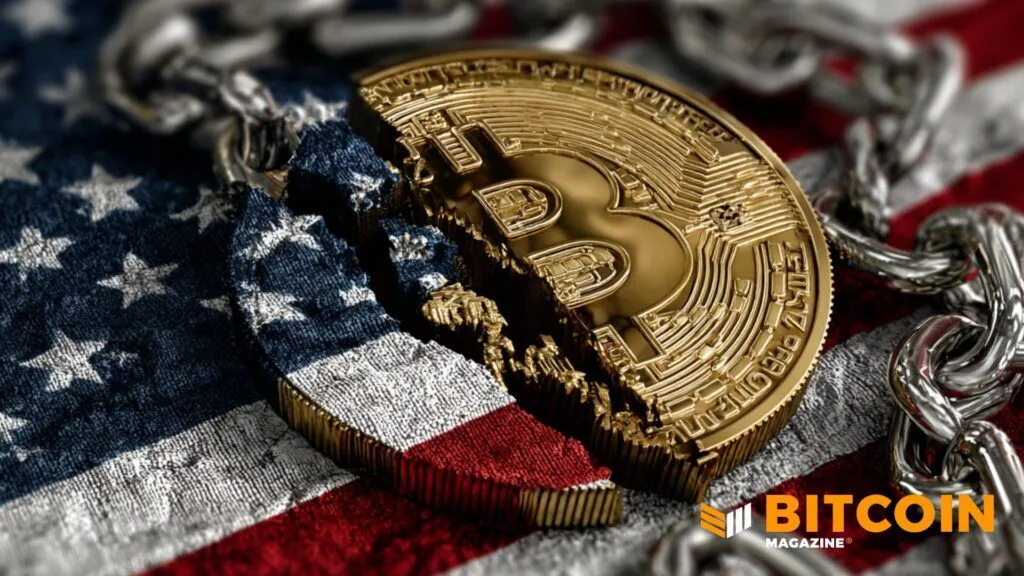
In a sweeping operation targeting cryptocurrency laundering networks, U.S. federal authorities have seized approximately $400 million in Bitcoin and related digital assets connected to the infamous Helix mixer. The Department of Justice, in coordination with the IRS Criminal Investigation unit, announced the forfeiture on Thursday, marking one of the largest crypto seizures in recent history. Helix, a now-defunct service that facilitated anonymous transactions on the dark web, had long been a go-to tool for criminals seeking to obscure the origins of illicit funds from ransomware attacks, drug sales, and hacking schemes.
The seized assets stem from wallets identified through advanced blockchain analysis techniques employed by Chainalysis and other forensic firms contracted by the government. Prosecutors allege these funds were laundered through Helix between 2017 and 2019, before its shutdown. Helix operator Larry Dean Harmon was convicted in 2023 on money laundering charges and sentenced to serve time, but the fresh forfeiture action recovers proceeds that had evaded earlier crackdowns. Officials described the operation as a culmination of years-long investigations into darknet marketplaces like AlphaBay and Hansa, where Helix processed over 350,000 Bitcoin transactions totaling more than $300 million at the time.
Helix operated as a tumbler, or mixer, blending users' cryptocurrencies with others to break traceability on public ledgers—a service pitched as privacy-enhancing but widely abused for criminal purposes. Its takedown in 2019 exposed Harmon's operation, which charged a 2.5% fee and catered explicitly to dark web vendors. This seizure underscores the U.S. government's evolving prowess in tracking "tainted" crypto, leveraging tools like the Bitcoin blockchain's transparency despite mixing efforts. The recovered Bitcoin, now under federal control, could be auctioned off, funneling proceeds into law enforcement coffers or victim restitution funds.
The move fits into a broader escalation in the U.S. assault on crypto privacy tools. Just months ago, sanctions crippled Tornado Cash, another mixer, leading to arrests and developer indictments. Critics in the cryptocurrency community decry these actions as overreach, arguing they stifle legitimate privacy needs in an era of pervasive surveillance. Proponents, including DOJ officials, counter that unchecked mixers empower ransomware gangs and terrorist financiers, with FBI Director Christopher Wray praising the seizure as "a vital strike against digital crime syndicates."
Legal experts anticipate challenges to the forfeiture, potentially testing the bounds of civil asset forfeiture in the digital realm. As Bitcoin's value surges amid institutional adoption, such seizures highlight tensions between innovation and regulation. For The Culture War's lens, this episode amplifies debates over financial sovereignty: does government seizure of blockchain assets represent justice served or a harbinger of centralized control over decentralized money? Industry leaders like Coinbase CEO Brian Armstrong have called for clearer rules, warning that aggressive tactics risk driving crypto innovation overseas.
