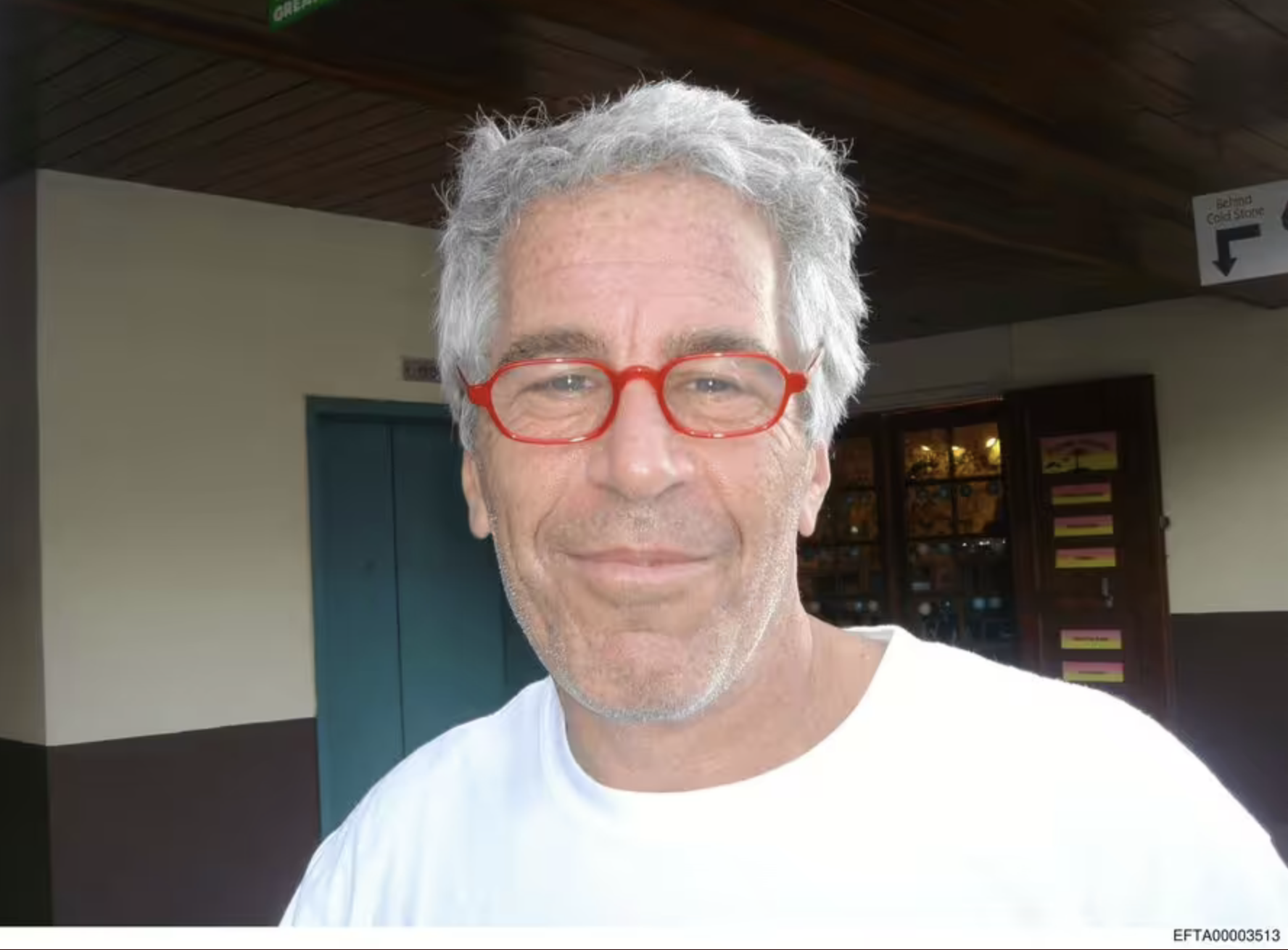
The body was already cold when the questions began.
In the early hours of 10 August 2019, Jeffrey Epstein – the disgraced financier whose name had become shorthand for wealth, depravity and impunity – was found unresponsive in his cell at New York's Metropolitan Correctional Centre. Within hours, officials were briefing that he had died by suicide. Within days, the conspiracy theories were louder than the facts.
Seven years on, one of the few people who actually saw Epstein's body in the aftermath is still not buying the official line.
Dr Michael Baden is not an internet sleuth or an aggrieved relative. He is 92 years old, a veteran forensic pathologist, a former chief medical examiner for New York City, and a man who has spent a lifetime staring at the blunt reality of violent death.
Baden was in the room for Epstein's post-mortem, invited as an observer by the Epstein family. Speaking toThe Telegraph, he has now renewed his call for the case to be reopened, bluntly stating that he believes Epstein was 'strangled, not hanged.'
'My opinion is that his death was most likely caused by strangulation pressure rather than hanging,' Baden said, directly contradicting the New York Medical Examiner's Office, which ruled Epstein's death a suicide by hanging.
What makes this especially awkward for the authorities is Baden's account of what happened immediately after the autopsy. He says that, at the time, both he and the official medical examiner present agreed the findings were inconclusive and that more information was needed. Epstein's death certificate initially reflected that caution: cause of death pending further investigation.
Five days later, that provisional uncertainty vanished. The then–chief medical examiner, Dr Barbara Sampson, who Baden says did not attend the post-mortem, issued a firm ruling: suicide. The inconclusive line was quietly superseded.
Sampson has consistently defended her conclusion and dismissed Baden's strangulation theory. Yet the mere fact that two of New York's most experienced forensic voices remain so publicly at odds over such a high-profile death speaks to a deeper unease. This is not just about ligature marks on a neck; it is about whether one of the most politically explosive prisoners in recent US history really managed to kill himself in a supposedly secure federal facility – and whether the state is prepared to re-examine its own version of events.
The Jeffrey Epstein death mystery has never fully receded, largely because the circumstances still read like a checklist of public mistrust.
Source: International Business Times UK