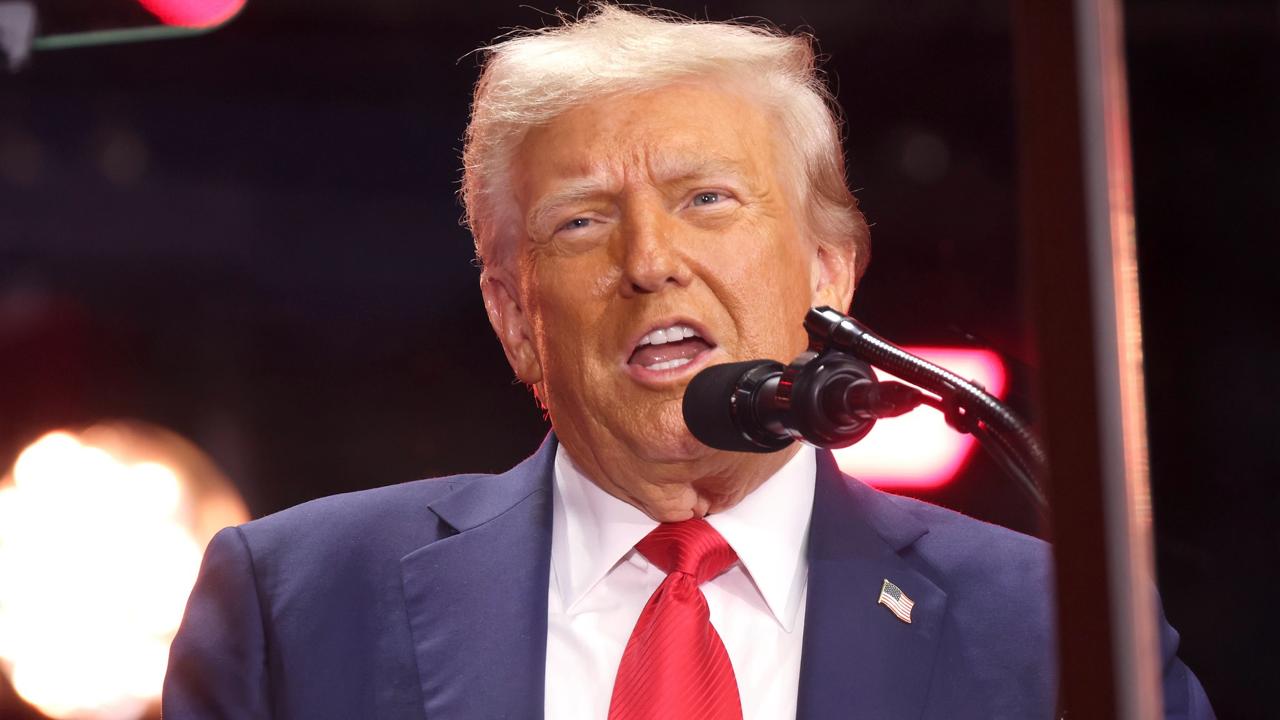
A joke made byJimmy Kimmelabout Melania Trump has triggered online backlash and renewed attention onDonald Trumpand their long-running public disagreements, with separate unverified social media claims also circulating about a supposed response from Trump.
The controversy began afterJimmy Kimmel used a parody White House Correspondents' Dinner-style segmentto joke that Melania Trump had 'a glow like an expectant widow'. The line quickly spread online, drawing criticism from viewers who said it crossed a line in tone and subject matter.
Clips of the segment circulated across Facebook, X and TikTok, where users debated whether the joke was political satire or an unnecessary personal attack. The reaction helped push Jimmy Kimmel and Melania Trump into trending conversations within hours across multiple platforms.
As discussion developed, attention moved beyond comedy and into wider political reaction, with Donald Trump again pulled into the narrative.
Donald Trump has frequently criticised late-night television presenters, including Jimmy Kimmel, over political humour directed at him and his family. That history meant his name quickly resurfaced in online discussion following the backlash.
Social media users linked Trump to the incident, with some suggesting a response was likely given past disputes between the former president and television hosts. However, there has been no verified statement from Trump addressing the latest joke at the time of writing.
Separate posts circulating onFacebookand other platforms also claimed Trump told Kimmel to 'sit down little boy'. There is no verified video, transcript or official confirmation of the wording, and the claim remains unsubstantiated.
Jimmy Kimmel is known for political satirein his monologues, often targeting prominent figures in American politics. His approach regularly sparks debate over the boundaries of comedy and personal criticism among viewers and commentators.
In this case, the Melania Trump joke prompted a stronger reaction than usual. Critics argued it personalised political humour beyond acceptable satire and crossed traditional lines of late-night comedy.
Supporters defended the segment as part of late-night television tradition, where exaggeration and political commentary are commonly used to critique public figures in a comedic setting.
Source: International Business Times UK
