At 30,000 feet, the legal language looks deceptively clean: 'facilitate return,' 'due process,' 'constitutional rights.' On the ground, it is messier—commercial airfare, prison gates, diplomatic handshakes, and the quietly absurd question of who should pay when a government is ordered to undo what it has done.
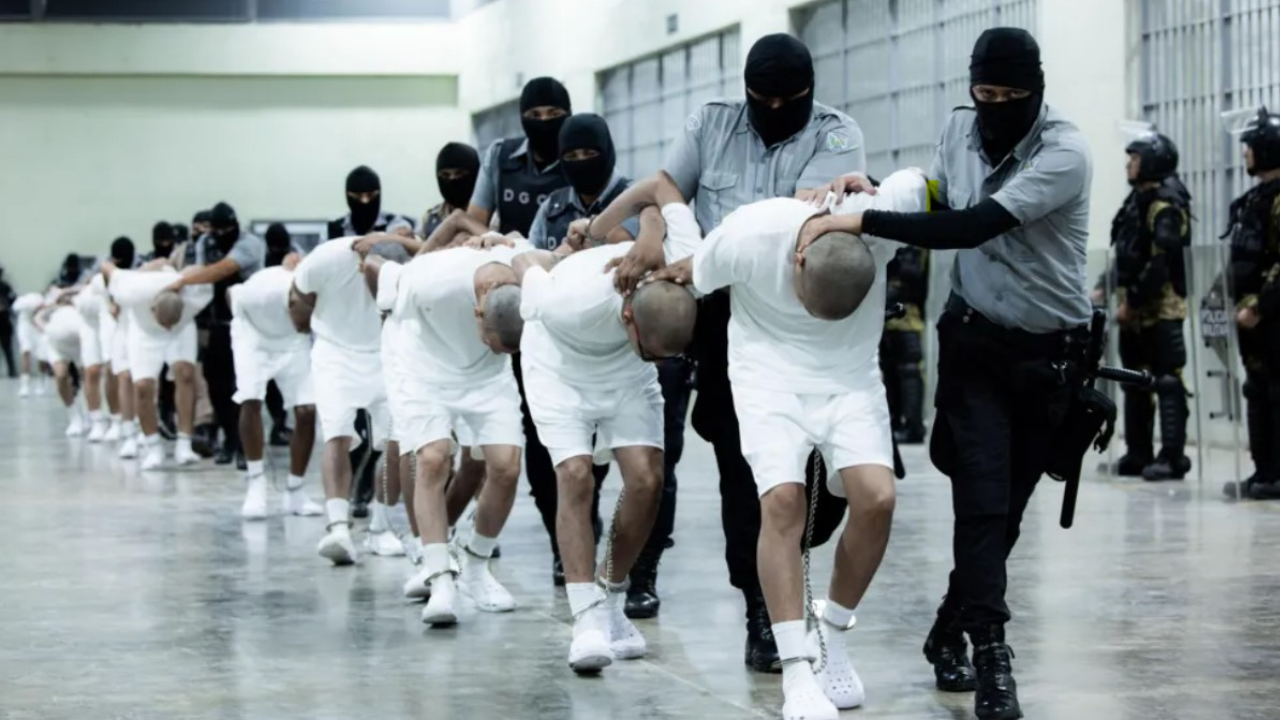
That is the uncomfortable terrain Judge James Boasberg has now forced into view. In a ruling reported by ABC News and Bloomberg, the US District Judge ordered the Trump administration to take steps to bring back Venezuelan migrants who were deported to El Salvador's maximum-securityCECOT prisonin 2025, so they can continue challenging the legality of their removals. Crucially, Boasberg said the government must cover the cost of commercial flights for those who want to return.
It's hard to think of a more potent symbol of America's immigration wars than that: taxpayers potentially funding plane tickets for men whom the administration describes as 'foreign terrorists'—and whom a federal judge says were denied basic procedural rights before being flown out of the country.
Boasberg's argument is not sentimental. It is structural. He wrote that it was 'unclear why Plaintiffs should bear the financial cost of their return' because 'this situation would never have arisen had the Government simply afforded Plaintiffs their constitutional rights before initially deporting them.'
This case has been grinding along for nearly a year, dating back to the Trump administration's move in March 2025 to use the Alien Enemies Act of 1798—an old wartime statute—to deport alleged members of the Venezuelan gang Tren de Aragua to El Salvador.
Boasberg tried to halt deportations at the time; ABC News reported he issued a temporary restraining order and even directed that planes be turned around, but deportations proceeded anyway, with Justice Department lawyers arguing his oral instructions were defective.
TheSupreme Courtlater allowed the government to continue using the Alien Enemies Act—but with guardrails. It said targeted detainees must receive notice and a real opportunity to challenge their deportation through habeas petitions. That distinction matters: it's the difference between enforcement and expulsion-by-ambush.
Boasberg has since found that members of the class were denied due process—hence the order, now, to create a remedy that is more than theoretical. If you were deported unlawfully and cannot meaningfully litigate from a foreign mega-prison, 'access to the courts' becomes a slogan, not a right.
The politics, however, are not subtle. The Trump administration has cast those deported as violent threats—'the worst of the worst,' in the general tenor of its rhetoric—while DHS officials insist that migrants labelled 'non-criminals' by some coverage are still 'terrorists' and 'gang members,' even without US rap sheets. That language plays well in a soundbite-driven cycle. It plays less well in a courtroom where judges ask for process and proof.
A major investigation co-published by The Texas Tribune and ProPublica, based on DHS data obtained by journalists, found that only 32 of the 238 Venezuelans deported to CECOT in mid-March 2025 had been convicted of US crimes, mostly nonviolent offences.
Source: International Business Times UK