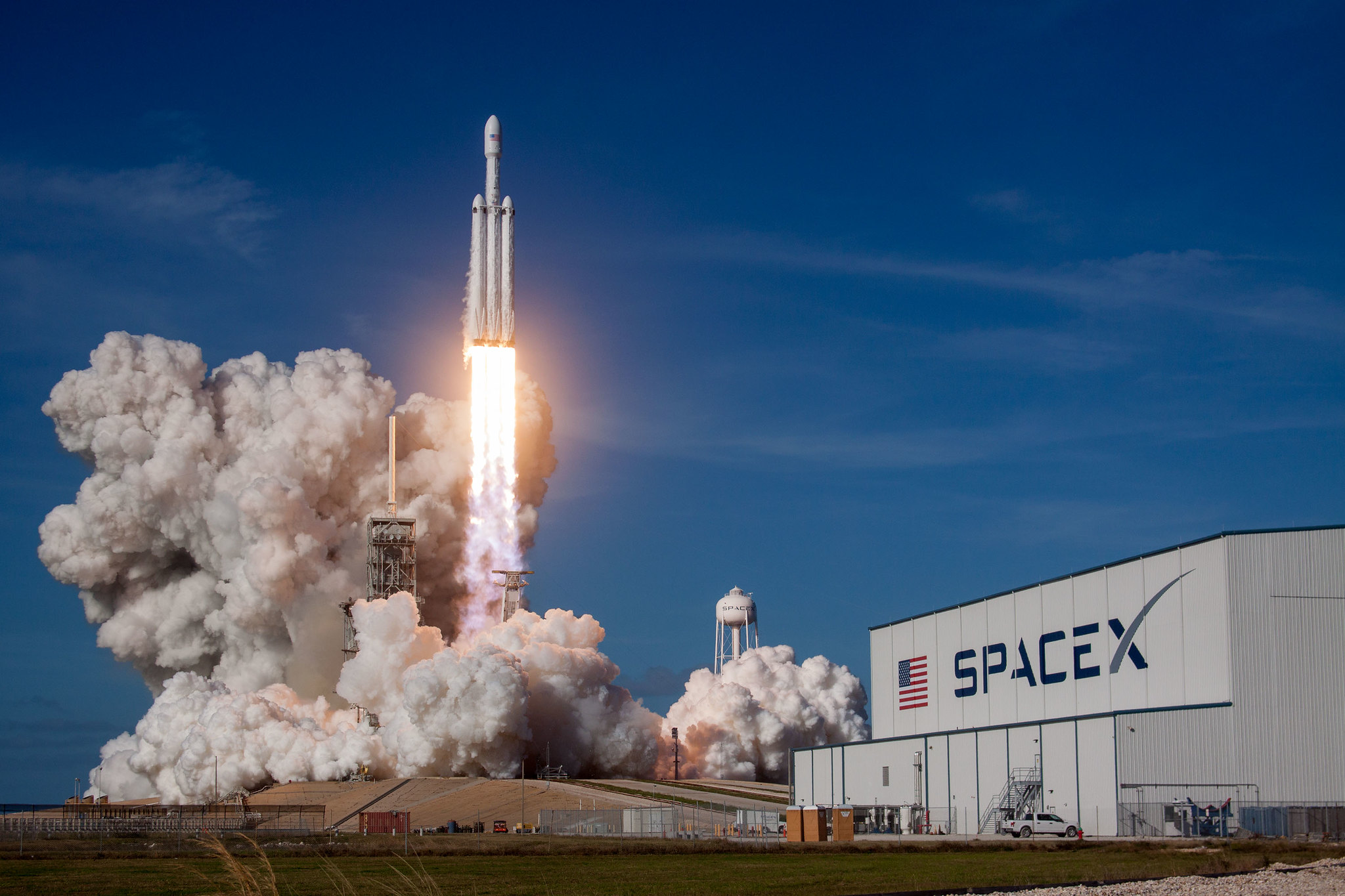
The sky over Cape Canaveral has seen enough launches to make spectacle feel almost vulgar, but this one carried a quieter kind of pressure: the sort you only notice when you remember the people already up there, working short-handed, while Earth carries on scrolling.
NASA and SpaceX have now sent aDragon capsuletowards the International Space Station on the Crew-12 mission, with docking targeted for Saturday afternoon. It's the practical business of keeping an orbiting laboratory properly staffed again—less 'giant leap,' more 'thank goodness.'
Crew-12 launched from Space Launch Complex 40 at Cape Canaveral Space Force Station inFlorida, with NASA listing a planned liftoff time of no earlier than 5.15 a.m. Eastern on Friday, 13 February. On board are NASA astronauts Jessica Meir and Jack Hathaway, European Space Agency astronaut Sophie Adenot, and Russian cosmonaut Andrey Fedyaev.
NASA describes the flight as its 12th crew rotation mission with SpaceX's Dragon and Falcon 9 under the Commercial Crew Program, part of the now-regular pipeline of US launches to the ISS that began in 2020. Regular, though, doesn't mean disposable—especially when the schedule has been bent by events nobody wanted on the manifest.
Because the context here is not glossy. It's medical. NPR reported last month that NASA decided to bring the entire Crew-11 team home early after one astronaut developed an undisclosed medical condition, prompting a return roughly a month ahead of plan so the crew member could be evaluated on the ground. Space.com described the knock-on effect in plain terms: Crew-11's departure left the ISS with three resident crew members—NASA's Christopher Williams and Russian cosmonauts Sergey Kud-Sverchkov and Sergei Mikayev—until the next team arrived.
Three people can keep the place running, but nobody should pretend it's the same station. The ISS was never designed to be 'fine' on vibes and professionalism alone.
Under normal circumstances, crew rotations overlap, letting the incoming team learn the station's mood and quirks from the people about to leave. NPRnotedthat this time there would be no such overlap, because Crew-11 ended early.
Meir has been admirably candid about what that means in practice—more improvisation, more catching up, more reliance on human memory and good note-taking. In a pre-launch news conference carried by C‑SPAN, she recalled that 'around six, seven years ago' indirect handovers were routine, adding that it was 'more rare to have that direct handover where the other crew stayed on board before you arrived.'
That's the part of spaceflight the public rarely sees: the unsexy transfer of institutional knowledge. If you've ever started a job where the person you're replacing has already left, you understand the feeling—only this office is 250 miles up and mistakes are priced accordingly.
There's also the geopolitics, hovering in the background like static. Crew-12 is international by necessity, not sentimentality, and NASA's own mission line-up underlines that the station still functions as a shared project even when Earth looks increasingly allergic to cooperation.
Source: International Business Times UK