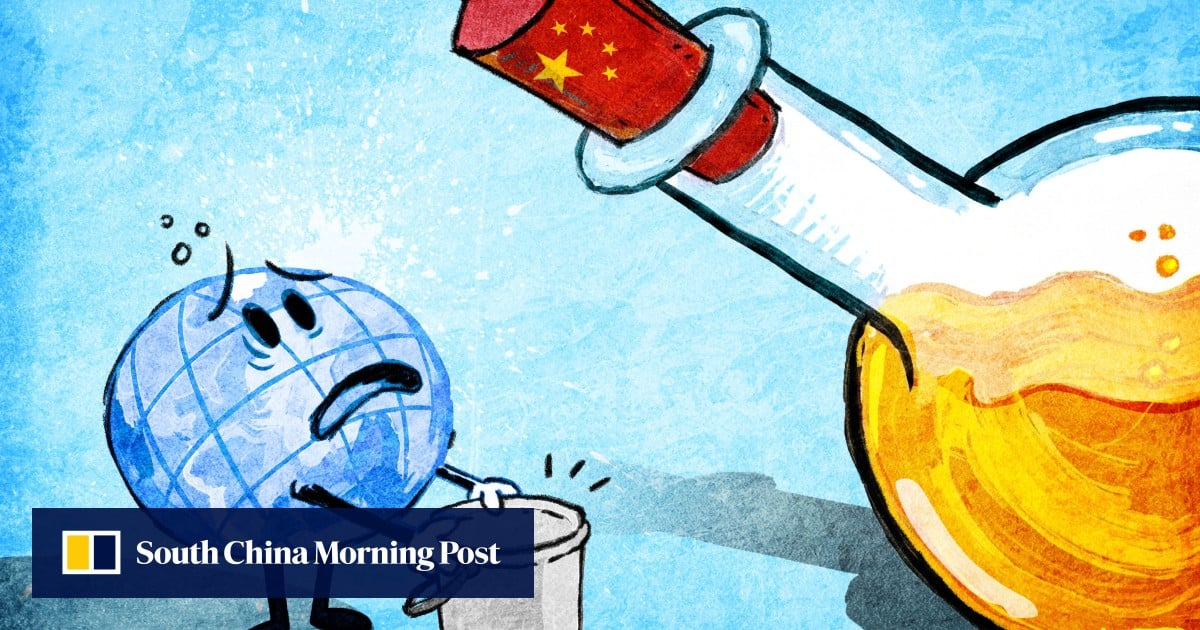
Foreign firms fear more halts following reports of a ban on the export of the chemical, crucial for fertiliser and battery production
The military conflict in the Gulf and the effective blockage of the Strait of Hormuz initially triggered a squeeze on sulphuric acid, with prices on the rise after shipments in the region – which accounts for a quarter of global production – were largely stalled since military strikes began on February 28.
But the second shock wave came after reports surfaced of an export ban on sulphuric acid from China that would take effect in May. The country accounted for 45 per cent of the nearly 10 million tonnes of the chemical shipped from Asia last year and about 23 per cent of global exports.
This, analysts said, would have “significant implications” for the chemical’s global supply and prices, but also serves to show China had quietly made itself a “linchpin” in the trade of sulphuric acid, as well as other critical metals and chemicals.
Total export value of China’s sulphuric acid last year reached US$290 million, according to the Observatory of Economic Complexity data platform. The main destinations for these shipments included Chile, Indonesia, Saudi Arabia, Morocco and India. In 2024, the total export value of China’s sulphuric acid was US$349 million, with the United States being one of the top importers.
Source: News - South China Morning Post
