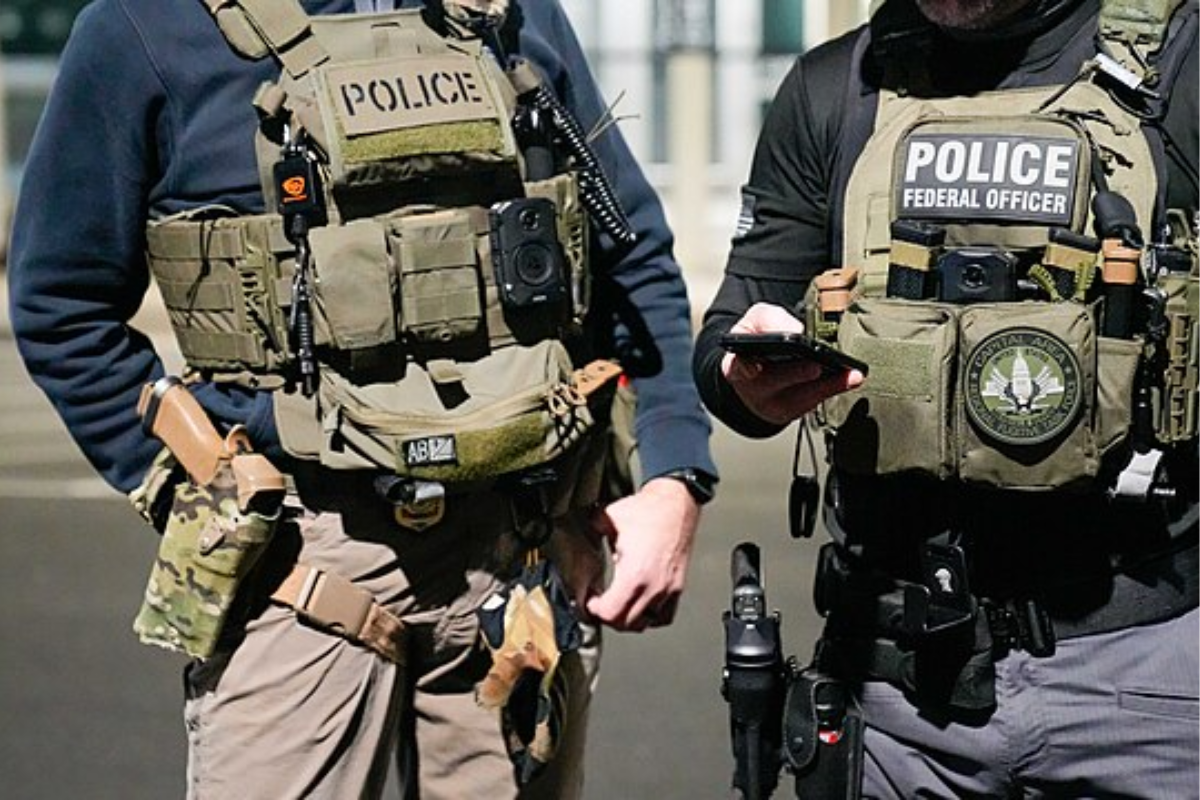
It started quietly. In the Highland Park neighbourhood ofLos Angeles, residents began talking about sirens—old-fashioned, wailing air-raid alarms, the kind once heard over London during the Blitz. The goal? To warn the community when federal immigration officers are nearby.
The idea might sound dramatic, even dystopian. But for some in the area, it is a practical response to growing anxiety. Families are avoiding errands. Children hesitate to walk to school alone.Small businesses keep a wary eye on unmarked vehicles. The sirens, volunteers insist, are meant to buy residents a few precious minutes to shelter safely on private property.
According toFOX News, the Highland Park Community Support group, a coalition of local volunteers, is driving the initiative. Amanda Alcalde, the founder, says the project grew out of what she saw every day on her street. 'I've seen a lot of fear in people's eyes', she told reporters, describing residents too anxious to leave their homes during daylight.
The sirens are meant for private property, not public streets, Alcalde stresses. Flyers have gone up in the neighbourhood, alerting homeowners and shopkeepers about the planned installations. The group crowdfunded the project, though they have not disclosed the total budget. For supporters, it is less about rebellion and more about survival—a small measure of control in a life increasingly shaped by uncertainty.
Volunteers are also distributing ICE alert whistles. The goal is simple: if officers appear, residents get a signal to move to safety without confrontation.
Federal authorities are alarmed. Tricia McLaughlin, Assistant Secretary at the Department of Homeland Security, warned the project could escalate tensions. She called it 'quite literally insane', referring to the risk that sirens might become a public nuisance or provoke unintended consequences.
Critics also point to a thornier problem. Some individuals who might be shielded include people with serious criminal records, such as Carlos Danilo Barrera, a gang member convicted of second-degreemurder, and Diego Cardona, convicted of voluntary manslaughter.
Others have histories of robbery, burglary, or driving under the influence.
Opponents argue that warning residents about ICE could allow dangerous individuals to evade lawful apprehension, putting the wider community at risk.
For many Highland Park residents, the sirens are not about shielding criminals—they are about fear.
Source: International Business Times UK
