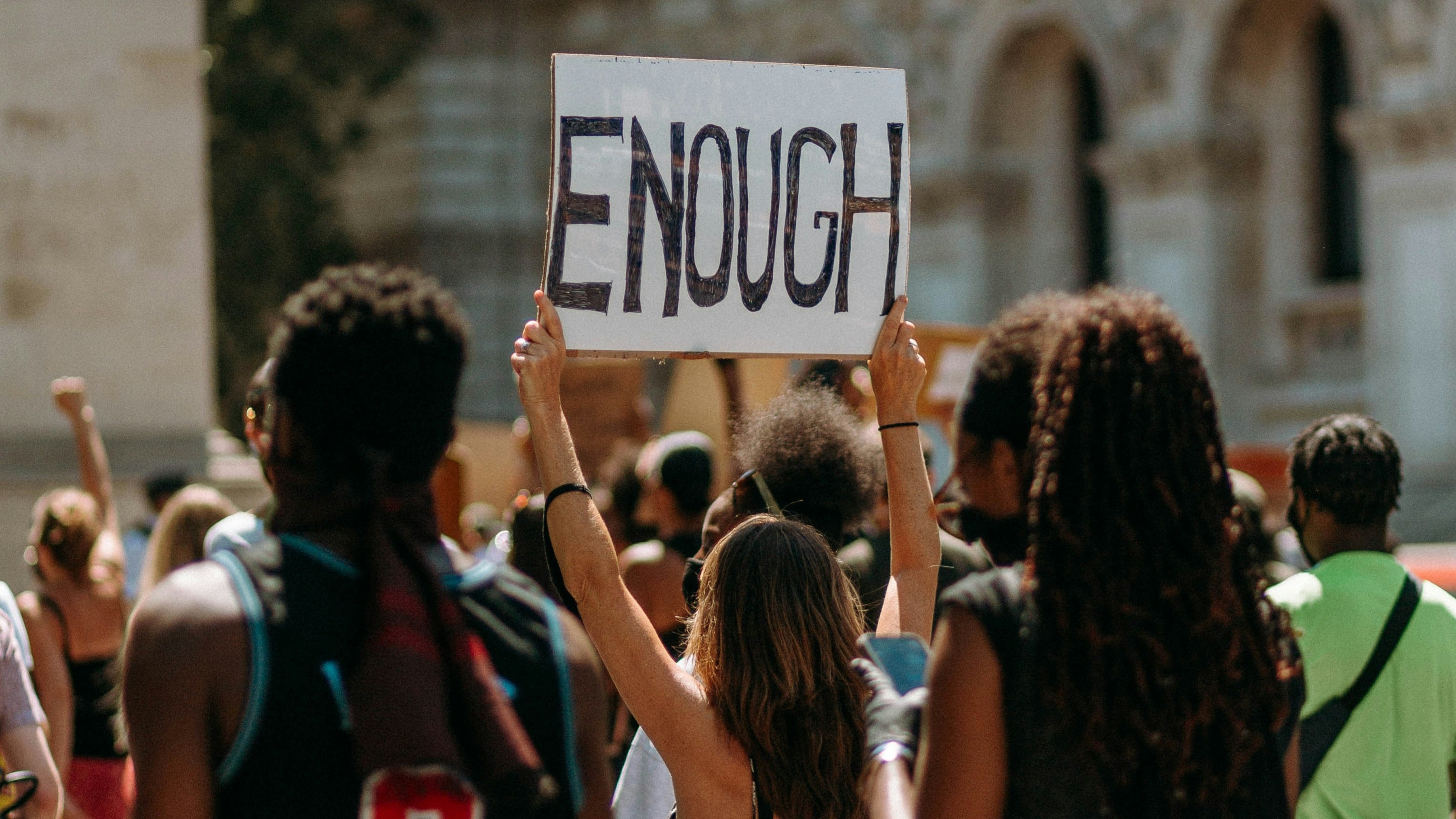
America is bracing for what could be its most expansive single-day act of economic disruption in decades, as a coalition of more than 200 organisations prepares to pull workers, students, and families out of the everyday routines that keep the country running. On 1 May 2026, they are asking millions to do something radical in its simplicity: stay home, shut their wallets, and refuse to participate in the economy.
Under the banner 'Workers over Billionaires', the May Day Strong coalition is demanding that people across the country observe a day of 'no school, no work, no shopping' as mass rallies, marches, and acts of non-violent disruption descend on cities from coast to coast. The demands are precise and unyielding: tax the wealthy, halt ICE operations, end foreign military engagements, and protect the integrity of American elections. Flagship demonstrations are planned in major cities across the country, with thousands of smaller events scheduled to take place in all 50 states.
The direct lineage of this May Day mobilisation runs through the streets of a frozen Minneapolis on 23 January 2026, and through the death of one American woman.
Renée Nicole Macklin Good, a 37-year-old American woman, was fatally shot by United States Immigration and Customs Enforcement (ICE) agent Jonathan Ross on 7 January 2026 in Minneapolis, Minnesota. She was a mother of three. Federal law enforcement officials and President Donald Trump defended the shooting, saying the agent acted in self-defence, that Good ran him over, and that the agent was recovering in a hospital. Video of the incident, however, appeared to contradict the official account, and the killing became a catalyst for mass unrest.
The fatal shooting drew widespread anger and intensified local protests, eventually prompting a broad coalition of community organisers, faith leaders, and activists in Minnesota to call for a statewideeconomic blackout, dubbed the 'Day of Truth and Freedom'. On 23 January, more than 700 small businesses and several cultural institutions closed as part of the economic protest, and organisers estimated that 50,000 people attended the associated protests in subzero temperatures.
'We are in total crisis here in Minnesota with this ICE surge. Thousands of agents are terrorising our communities, not just Minneapolis, but across the state,' said Martha Bardwell, lead pastor at Our Saviour's Lutheran Church in South Minneapolis. 'They are tearing apart families. They say that they're here to round up the worst of the worst, but we know with our own eyes that is absolutely not true.'
That single day in Minneapolis became the blueprint for what organisers now intend to replicate nationally, and at a scale the country has not witnessed in living memory.
The coalition is intentionally not calling the action a 'strike', as that term carries specific legal definitions under the National Labor Relations Act (NLRA) with implications for union members and collective bargaining units. The framing as an 'economic day of action' instead allows labour organisations, including those with formal contractual obligations, to participate and encourage their members to join without legal jeopardy.
In Chicago, the Chicago Federation of Labor, SEIU State Council, theChicago Teachers Union, and the People's Lobby are among the organisations that have publicly committed to the 'no work, no school, no shopping' action. The city's public librarians and community college employees have both unanimously voted to support the blackout. The coalition is already on pace to triple the record of over 1,300 actions across all 50 states set the previous year.
TheNational Education Association (NEA), one of the largest labour unions in the United States, has issued a formal toolkit to its members. NEA members are joining other labourers, parents, education workers, immigrants, students, and neighbours demanding stronger, safer, and more dignified communities, with events planned across hundreds of cities.
Source: International Business Times UK
