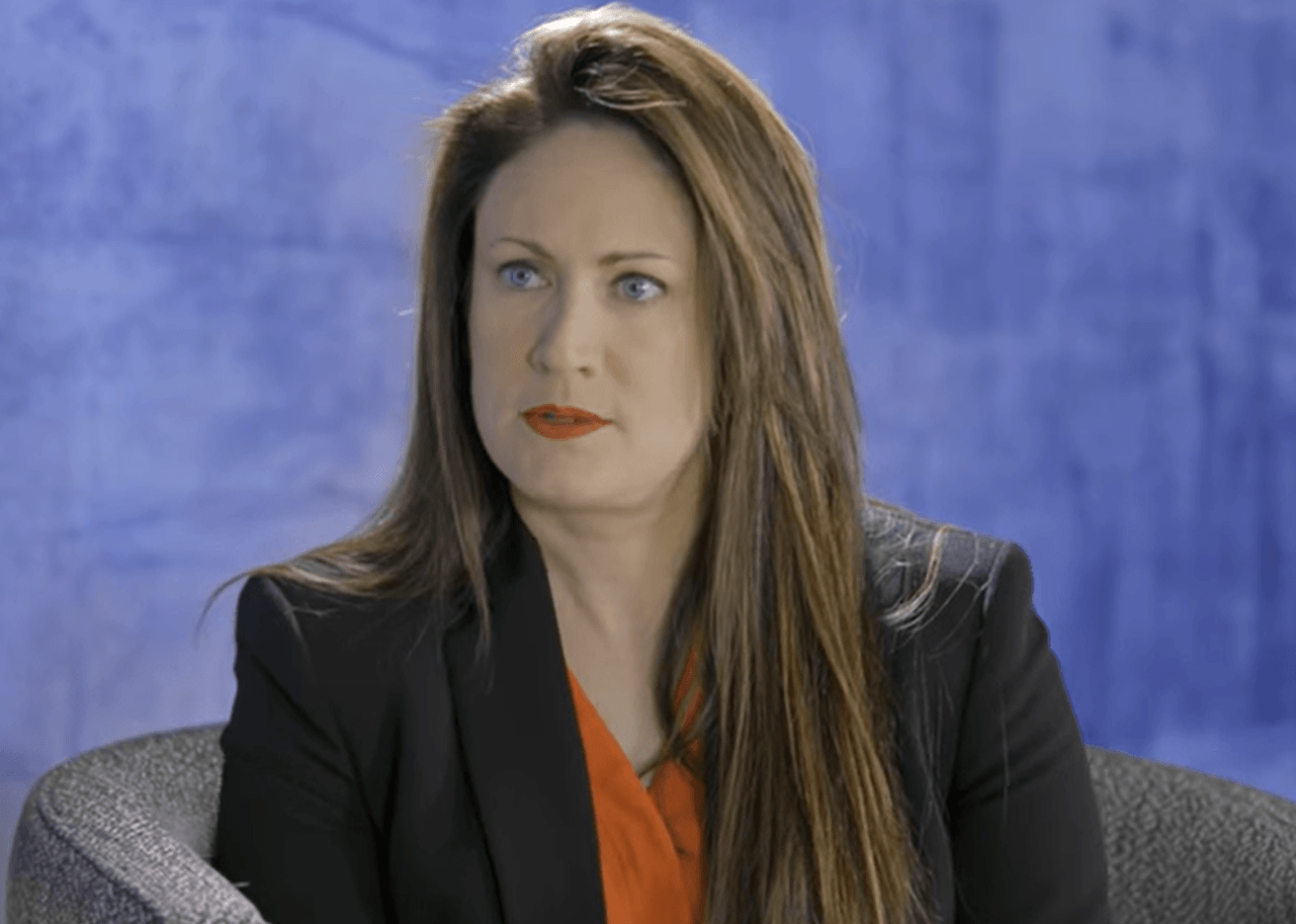
The recent appointment ofMelissa Isaakto the Federal Bench has triggered an immediate and fierce debate over the standards of the US judiciary.
Announced by theDepartment of Justice on 8 April 2026, Isaak's role as a temporary immigration judge has been overshadowed by a viral clip of Melissa Isaak that has sent shockwaves through social media.
The footage, which has been widely circulated by accounts such as@factpostnews, allegedly shows the new judge using demeaning and reductive language toward women, describing them in one instance as a 'warm, wet hole'. This controversy has now become a lightning rod for broader questions regarding federal appointee accountability and the ideological direction of theExecutive Office for Immigration Review (EOIR).
Melissa Isaak is a legal professional whose name recently gained public attention following reports of her appointment as an immigration judge under the Trump administration. Her background includes work in family and divorce law, as well as participation in public speaking engagements that are now being re-examined in light of her judicial role.
The current controversy stems from resurfaced material and commentary attributed to Isaak, which critics say reflect strongly opinionated and controversial views about gender roles and relationships. In particular, she is alleged to have made statements describing women in highly demeaning and reductive terms during a past speech, which has fueled online criticism and debate.
Supporters, however, argue that public figures are often taken out of context and that past commentary does not necessarily reflect judicial behaviour or legal decision-making capacity.
Here is video of Trump's newly hired immigration judge Melissa Isaak calling women a "warm, wet hole":"There's two types of women. There are good, solid, valuable women who are assets to men ... Then there's a warm, wet hole."https://t.co/jbJXtfpTkYpic.twitter.com/Y9v8aLdxFq
The viral clip circulating on X has become the focal point of the controversy. Shared widely across social media platforms, it quickly gained traction among users discussing federal appointments and judicial ethics.
In the video, Isaak is alleged to have made remarks that critics interpret as deeply misogynistic, including framing women in overly simplistic and degrading categories. These resurfaced remarks, whether taken in full context or not, have triggered widespread backlash and renewed scrutiny of her public record.
The post by@factpostnewsfurther amplified the clip, contributing to its rapid spread across political commentary spaces and news aggregation accounts.
Source: International Business Times UK
