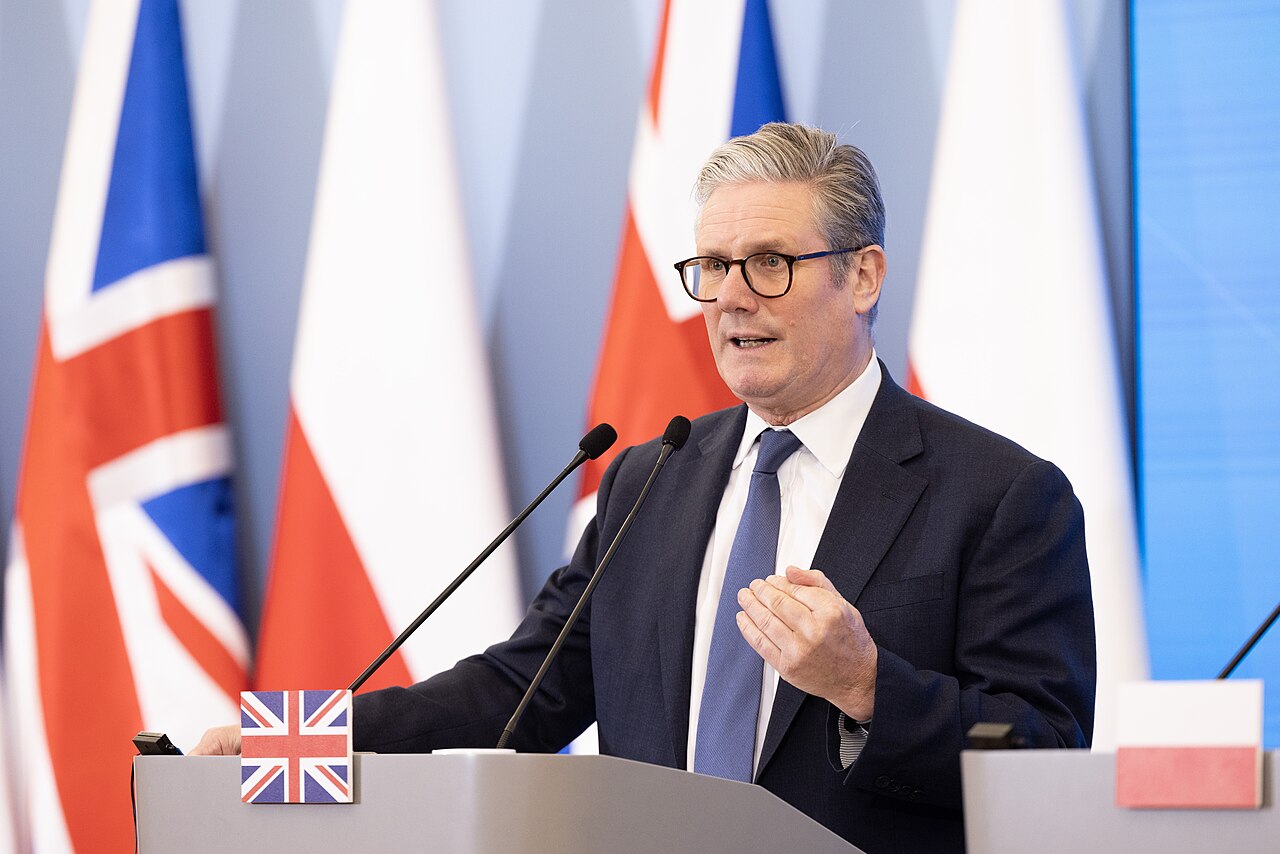
Prime Minister Keir Starmer has warned that British households may soon face dramatic changes to their daily lives as theStrait of Hormuzclosure continues to paralyse global trade.
Speaking ahead of a meeting of the ministerial Iran crisis committee in London on Tuesday, 28 April, the Prime Minister acknowledged that the Iran crisis is no longer a distant geopolitical issue but a direct threat to the domestic economy.
While urging the public to follow the mantra 'don't panic,' he admitted that some families will need to 'rethink' their summer holiday plans and brace for higher bills at the checkout.
The warning follows the effective shutdown of the world's most vital oil-and-gas artery.
JUST IN; STARMER SAYS PEOPLE NEED TO START SAVING & PREPARE FOR CRISIS"people might change their habits, where they go on holiday this year, what they're buying in the supermarket, that sort of thing."pic.twitter.com/asjYG4PI3g
The political difficulty for Starmer is plain enough. He is trying to reassure the country that supplies are holding for now, while also preparing people for the possibility that the damage will outlast the fighting and show up in the quiet, familiar places where voters tend to notice it first.
Starmer's language was sober and not especially comforting. 'There is going to be an impact on the UK. There already is,' he said, adding that he wanted to 'level with the public' about the scale of the challenge rather than imply that reopening the shipping lane would make the problem disappear overnight.
That candour looked deliberate. Governments usually prefer to overpromise calm, but Starmer seemed keener to avoid being caught pretending that a conflict so tightly bound to global energy flows could somehow wash over Britain without consequence.
British Prime Minister Keir Starmer has cautioned that the public should prepare for potential economic challenges that could impact everyday spending and travel, including holidays.#DialoguePakistan#British#PrimeMinister#KeirStarmer#Public#Prepare#Economic#Challengespic.twitter.com/nopaVT82eQ
He did offer some immediate reassurance. 'At the moment, we're confident about supply. We have reopened a CO2 plant in the North East. Airlines are telling us that they've got enoughjet fuelat the moment,' he said. Even in the same breath, though, he made clear how fragile that comfort might prove to be. 'We'll see how long the conflict goes on.'
Source: International Business Times UK
