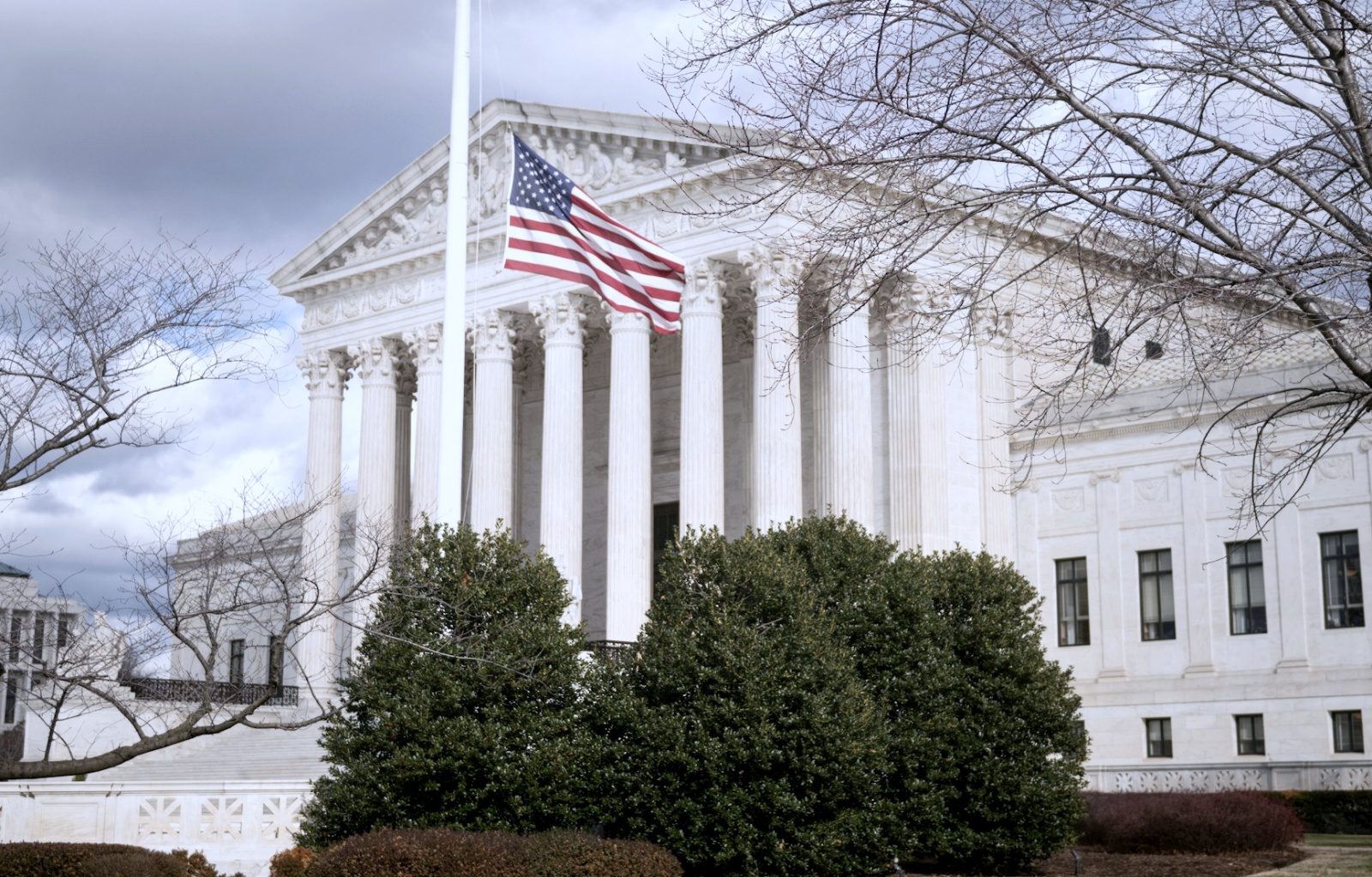
The US Supreme Court on Monday cleared the way forTexas to use its newly redrawn congressional map for the 2026 midterms, overturning a lower court ruling that had blocked it and prompting sharp criticism from legal scholar Steve Vladeck, who described the court's latest order as a troubling development.
The ruling concerns a Republican backed map passed by the Texas Legislature last year and signed into law by Governor Greg Abbott, with the dispute centring on whether the redraw amounted to unlawful racial gerrymandering.
The Supreme Court had already intervened once, in early December, when it temporarily allowed Texas to use the map for looming primaries while the case worked its way through the courts. On Monday, the justices went further, formally overturning the lower court and clearing the map for full use in the 2026 cycle.
Vladeck argued that the court was now treating its emergency‑docket decisions as a kind of de facto precedent. In his view, that means two sparse paragraphs from December have become the analytical foundation for a merits ruling that wipes out months of testimony and a 160‑page opinion by the district court.
He described that shift as 'entirely worrisome', especially when Justice Elena Kagan's earlier dissent, joined by Justices Sonia Sotomayor and Ketanji Brown Jackson, had already tried to dismantle the majority's reasoning.
The Supreme Court itself did not elaborate on its thinking beyond the brief order, and none of the conservative justices added separate opinions.
The battle over the Texas map has been unusually bitter even by modern redistricting standards. After Democrats in the state House fled to deny a quorum and delay the bill, Republicans eventually muscled it through, prompting almost immediate lawsuits from civil‑rights organisations already in court over Texas's 2021 lines.
In November, Judge Jeff Brown, a Trump appointee, wrote for the majority of the three‑judge panel that there was 'substantial evidence' the 2025 plan was racially gerrymandered. Judge David Guaderrama joined him. Their colleague, Fifth Circuit Judge Jerry Smith, issued a blistering dissent, calling Brown's work 'the most blatant exercise of judicial activism that I have ever witnessed.'
When Texas's lawyers turned to the Supreme Court late last year, they framed the case as a clash between a legislature's map‑drawing power and what they cast as an overreaching lower court. The justices' conservative majority sided with them in December, saying Texas was likely to succeed on the merits.
Kagan, Sotomayor and Jackson were not persuaded. In their dissent from the stay, they said the court's move 'disrespects the work of a District Court that did everything one could ask to carry out its charge — that put aside every consideration except getting the issue before it right.' On Monday, they dissented again, but without further written explanation.
Source: International Business Times UK
