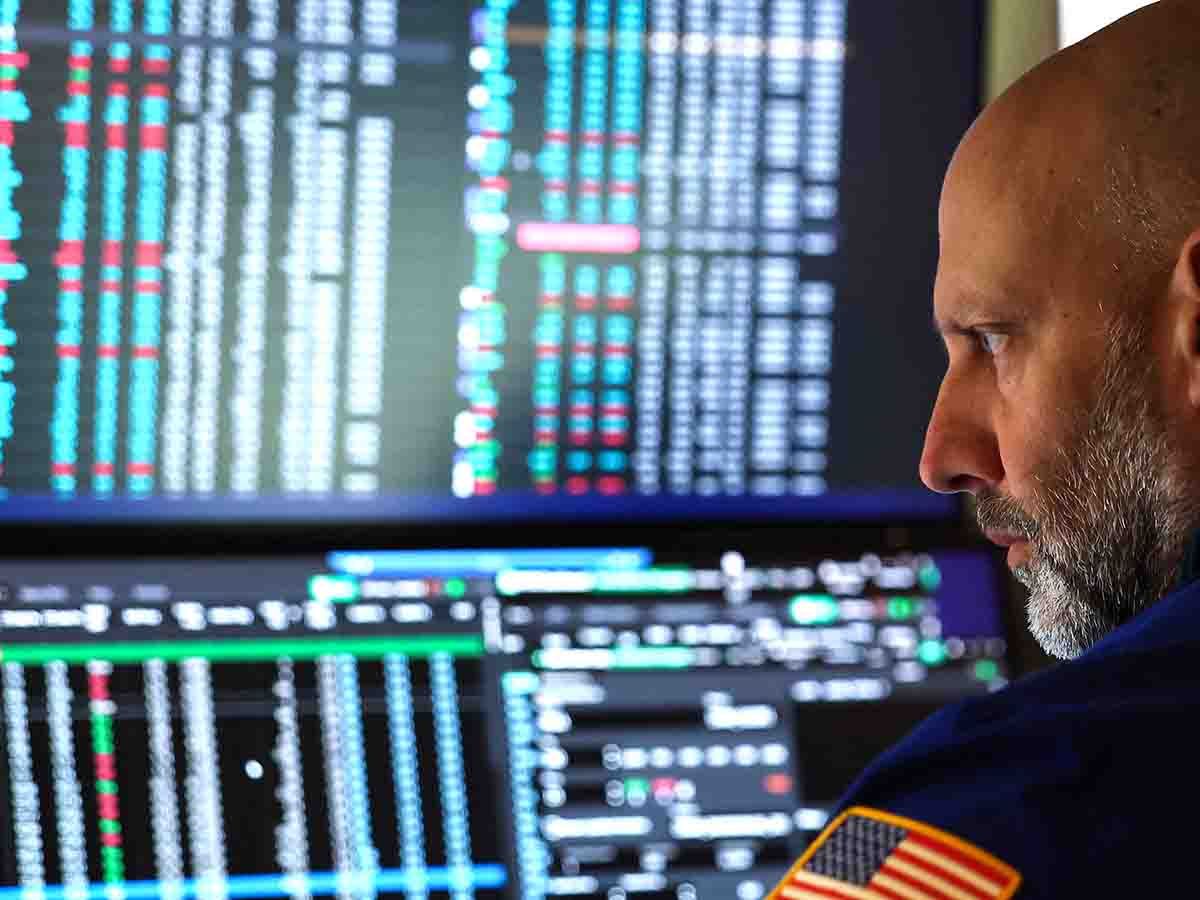
Technology megacaps are pushing benchmark indexes to new records while the rest of the market is lagging behind. Traders can be forgiven for feeling like they’ve seen this movie before.
What makes this setup different is the velocity with which the market leaders have advanced, creating pockets of exuberance and widening the gap with a slew of other stocks that have yet to recoup losses from the Iran war.
Speculation that the worst is over in the Middle East conflict has sent semiconductor stocks 47 per cent higher in just 18 days, before a drop on Monday, and pushed the Nasdaq 100 index toward its best month since 2020. The momentum has “that melt-up feel to it,” according to Chris Verrone, partner and head of technical and macro strategy at Strategas Securities LLC.
Canada's best source for investing news, analysis and insight.
A welcome email is on its way. If you don't see it, please check your junk folder.
The next issue of Investor will soon be in your inbox.
We encountered an issue signing you up. Please try again
Julian Emanuel, chief equity and quantitative strategist at Evercore ISI, agrees and adds that Big Tech’s strength is encouraging speculative risk taking.
The “public is becoming very speculatively engaged,” he said, citing massive gains in companies likeIntel Corp.and Avis Budget Group Inc. And with roughly US$8 trillion in money market funds on the sidelines ready to be deployed into equities. “the public has every means to become speculatively engaged.”
TheS&P 500gained 0.1 per cent on Monday, posting its sixth record since mid-April on optimism over a potential resolution to the war inIran. But strip out the outsized influence of technology stocks, and the setup looks different. An equal-weighted version of the S&P 500 index declined for five consecutive days through Monday, widening a decline from its last record in February to 1.5 per cent.
Source: Drudge Report
