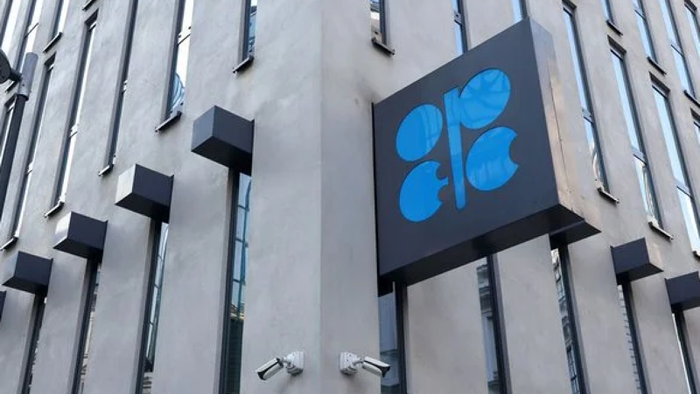
OPEC member and major Gulf producer, the UAE, has decided to exit the oil cartel, an unexpected development that crossed Bloomberg headlines on Tuesday morning around 0822 ET.
OPEC finishedhttps://t.co/RtxJdZQeQh
The official website of theEmirates News Agency(WAM) broke the story, stating that the UAE has decided to exit OPEC and OPEC+ as of May 1, in line with the country's long-term strategic and economic plan.
The move would represent a major rupture within OPEC, with direct implications for the remaining 11 members: Saudi Arabia, Iran, Iraq, Kuwait, Venezuela, Nigeria, Libya, Algeria, Congo, Equatorial Guinea, and Gabon.
Yes it washttps://t.co/SqwLJlxmDV
WAM said the decision reflects the "evolution of sector policies to enhance flexibility in responding to market dynamics, while continuing to contribute to market stability in a thoughtful and responsible manner."
OPEC was founded in Baghdad in September 1960 by Iran, Iraq, Kuwait, Saudi Arabia, and Venezuela. Its original purpose was to give oil-producing states more control over pricing and production after Western oil majors dominated global crude markets.
Important to note: UAE ranks among the top producers in OPEC (~4.05 million bpd), making it a major player with growing capacity ambitions (targeting 5 million bpd by 2027).
WTI futures fell on the news but have since rebounded.
The move comes days after the UAE publicly requested swap lines from the Federal Reserve to ease liquidity pressures on the country's banks.
Source: ZeroHedge News
