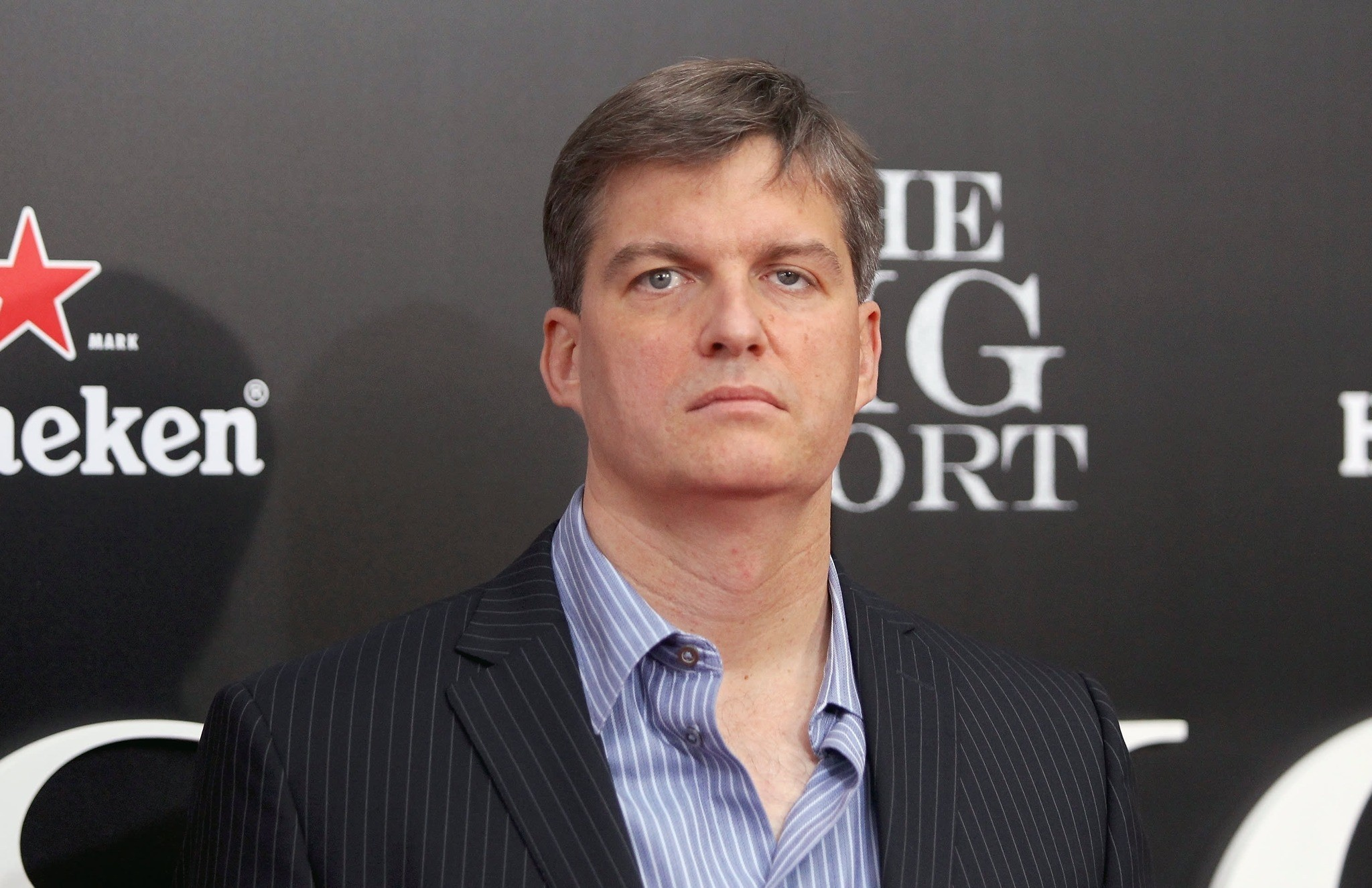
Big Short's Michael Burry shuttered his hedge fund last year amid fears of an AI bubble. He has been warning of extreme valuations of US megacap technology companies driven by massive investments and the buzz around the profound impact of AI without equivalent output to show for.
In his latest Substack post, Burry shared that he placed bets against the semiconductor industry, which has rallied hard on rising AI infrastructure demand.
The investor revealed buying puts on the iShares Semiconductor ETF (SOXX), which tracks US semiconductor firms. 'I purchased a decent number of SOXX January 2027, puts struck at $330. This is a new position for me,' Burry had stated.
Furthermore, Burry believes the Philadelphia Semiconductor Index (SOX), which tracks the top 30 US-listed semiconductor firms, includingNvidia, Intel, and Broadcom, has had a steep growth trajectory, and he is prepared for a pullback in the sector.
'I know the SOX will return to earth. Older semiconductor guys know it too. What is happening now is technical,' Burry had mentioned in his latest post.
The SOX is up close to 150% over the past year, while the ETF has gained by over 150% during the same period, in contrast to the S&P 500's 30% and the Nasdaq 100's gain of about 40%.
Burry had disclosed in multiple Substack posts over the past two months about his new investments in Microsoft,Adobe, PayPal, Autodesk, Salesforce, and Veeva as the dip in the software sector due to AI-driven concerns and the Middle East conflict presented a buying opportunity.
His timing falls within the market rebound that began in late March and extended into April amid hopes of de-escalation in the US-Iran war. Currently, all of the stocks Burry purchased are in the green, with some like PayPal and Salesforce already returning double-digit gains since his disclosure on Substack.
Overall, Burry continues to be concerned about overvaluation of companies like Tesla, Nvidia, and Palantir. He even bet against some of these companies late last year.
Before the Adobe news broke, Burry had been accusing Mag 7 firms of using aggressive depreciation tactics to inflate reported earnings by an average of 24% through 2028. He believes these companies are stretching the assumed 'useful life' of AI chips and servers on their books, keeping depreciation expenses artificially low and making bottom lines appear healthier than they actually are.
Source: International Business Times UK
