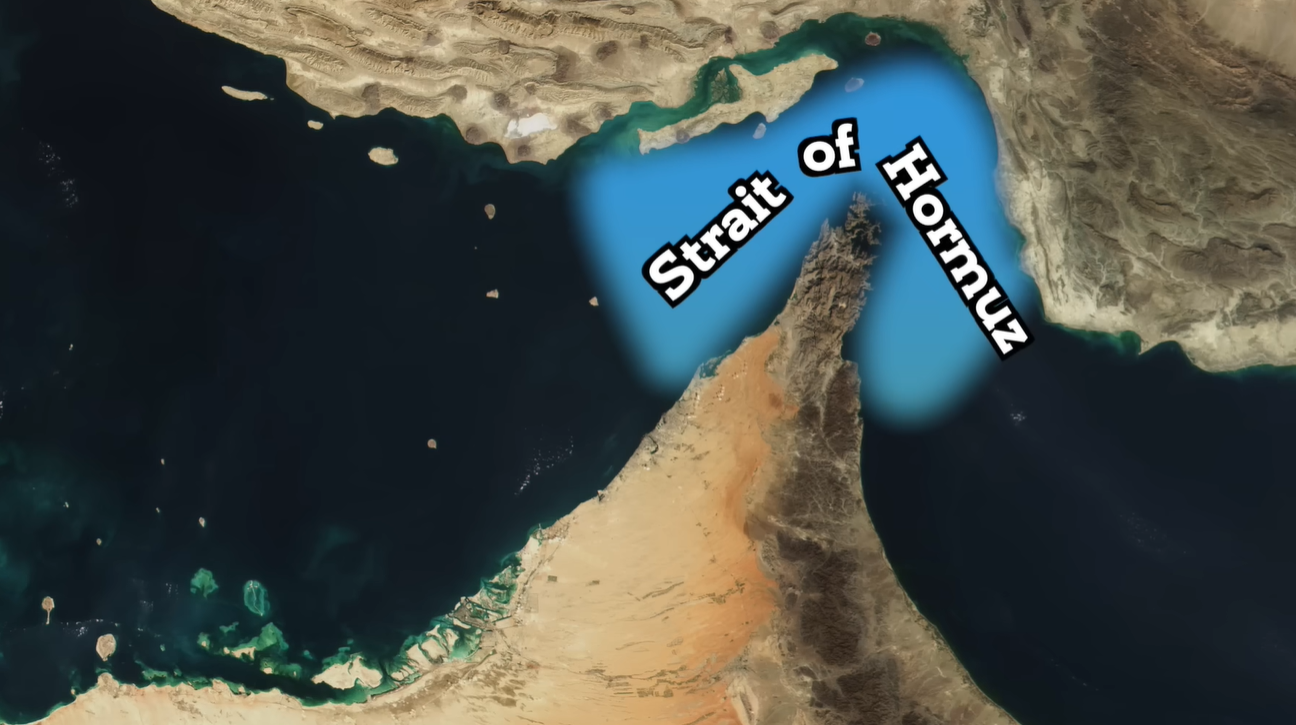
The White House said it was examining Iran’s latest proposal to unblock the Strait of Hormuz, as Tehran insisted on Tuesday that Washington was no longer in a position to “dictate” policy to others.
Iran has blockaded the waterway — a vital conduit for oil and gas shipments — since the start of the US-Israeli offensive two months ago, sending shockwaves through the global economy.
While a ceasefire has halted the fighting between the longtime foes, talks to permanently end the war and reopen the strait have proven inconclusive.
US President Donald Trump met with top security advisors on Monday to discuss the Iranian proposal after Tehran passed “written messages” to Washington via Pakistan, spelling out its red lines, including on nuclear issues and Hormuz, Iran’s Fars news agency reported.
The proposal was “being discussed,” spokeswoman Karoline Leavitt told a White House briefing.
The plan would reportedly see Tehran ease its chokehold on the strait and Washington lift its retaliatory blockade on Iranian ports while broader negotiations continue, including over the thorny question of Iran’s nuclear program.
“The United States is no longer in a position to dictate its policy to independent nations,” Iranian defence ministry spokesman Reza Talaei-Nik said, according to state TV, adding Washington would eventually “accept that it must abandon its illegal and irrational demands.”
Asked about Iran’s proposal, US Secretary of State Marco Rubio told Fox News “it’s better than what we thought they were going to submit,” but questioned whether it was genuine.
“They’re very good negotiators,” he said, “and we have to ensure that any deal that is made, any agreement that is made, is one that definitively prevents them from sprinting towards a nuclear weapon at any point.”
Iran’s top diplomat Abbas Araghchi blamed Washington’s “excessive demands” for the failure of peace talks during a visit to Russia, where President Vladimir Putin promised him Moscow’s support in ending the war.
Source: Insider Paper
