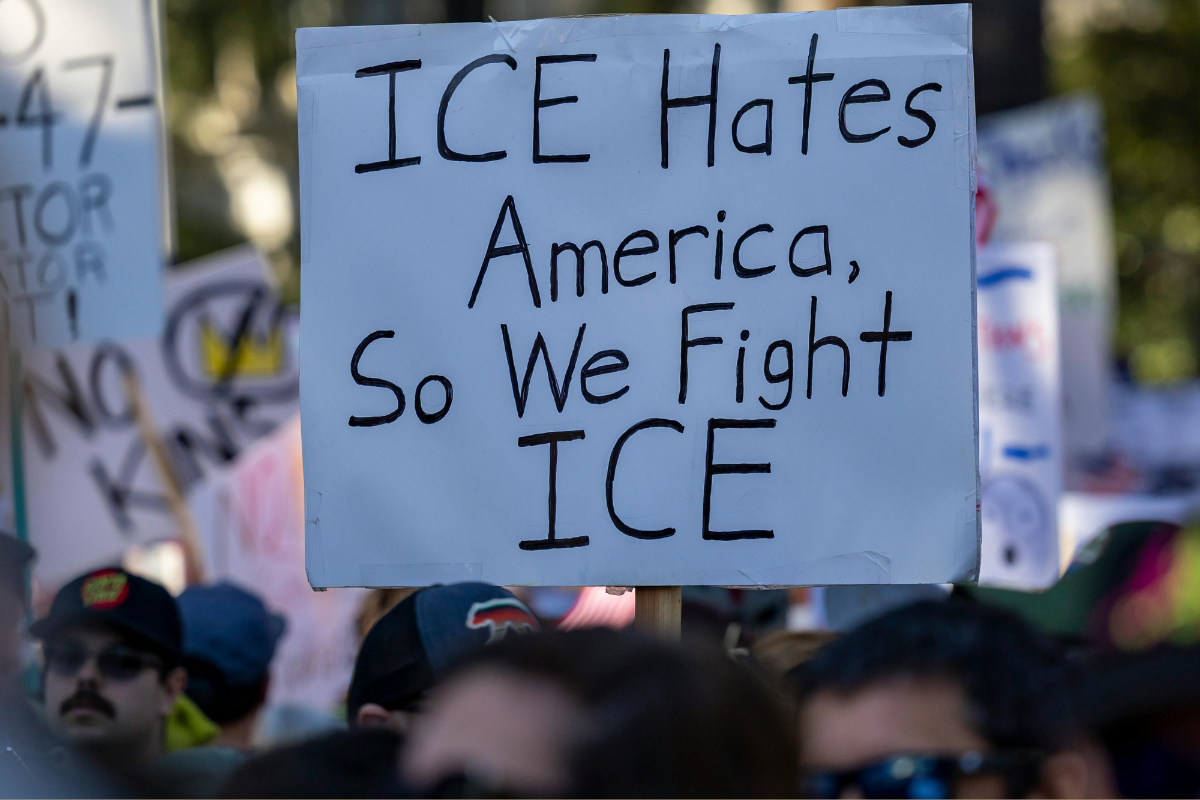
As federal agents clash with protesters in Minneapolis, a 2024 University ofPennsylvaniasimulation seems uncannily prescient. The Center for Ethics and the Rule of Law's exercise depicted state-federal rifts escalating to armed clashes – mirroringOperation Metro Surge. As of 13 February 2026,thousands of ICE staff linger despite drawdown pledges, keeping the city on edge.
Claire Finkelstein, who led the exercise, toldThe Guardianthat Minnesota events 'closely mirror' the model. Two US citizen deaths by federal fire have sparked protests, prompting Governor Tim Walz to mobilise the National Guard while PresidentDonald Trumpweighs invoking the Insurrection Act.
In October 2024, the University of Pennsylvaniaconvened expertsfor a tabletop exercise on domestic unrest. The scenario: federal raids in a sanctuary city meet state defiance, leading to legal gridlock and eventual armed clashes. The verdict: waning institutional trust hastens collapse, as participants – lawyers, officials – foresaw rapid spirals from policy disputes to violence.
Finkelstein termed the climax a 'violent confrontation' in an urban hub, consistent with restrictions under the Posse Comitatus Act. It underscored duelling laws – federal agents sidestepping local authorities – undermining order, a fracture now evident in Minnesota's parallel realities.
An attendee called it 'alarmingly close' to life even then. That line resonates in a recentInstagrampost from HR News, declaring: 'A civil war scenario once simulated at Penn is now unfolding in real time' amid Minneapolis turmoil.
The crisis started on 7 January 2026: ICE agents fatally shotRenee Nicole Good, a 37-year-old US citizen, during a raid in Minneapolis. Local investigators were blocked from the scene, fuelling accusations of overreach and sparking immediate rallies. These swelled into a23 January general strike, halting schools and trade in the Twin Cities with tens of thousands marching against the federal influx.
The situation worsened on 24 January, whenAlex Pretti, a 37-year-old Veterans Affairs nurse, was shot and killed by federal agents during clashes near a hotel. Tear gas filled the streets, and Mayor Jacob Frey condemned the operation as 'destabilising'. Polls show most Americans view ICE as overly brutal and unaccountable – perceptions hardened by 32 custody deaths in 2025, the highest in decades.
Once-placid suburbs now host vigils and raids on homes and lodgings, nightly scenes of standoffs. The sequence of events in Minneapolis underscore a city divided by competing chains of command. Activists frameresistance as vital defence, while officials warn of engineered disorder.
Penn's insights reverberate nationally with1,500 Department of Defense troopsready for call-up. Scholars view it as a constitutional stress test, with state lawsuits contesting federal authority. 'Once legitimacy isgone, force fills the vacuum,' analysts warn – a dynamic accelerating in Minneapolis.
National polls reveal that 30% of Americans, especially independents, now anticipate justifiable violence in the near future. Yet some argue the protests' energy could fortify civic bonds, potentially blunting the simulation's grim predictions. With lawsuits piling and trust eroding, Minnesota's ordeal raises the question of whether federalism bends or breaks.
Source: International Business Times UK
