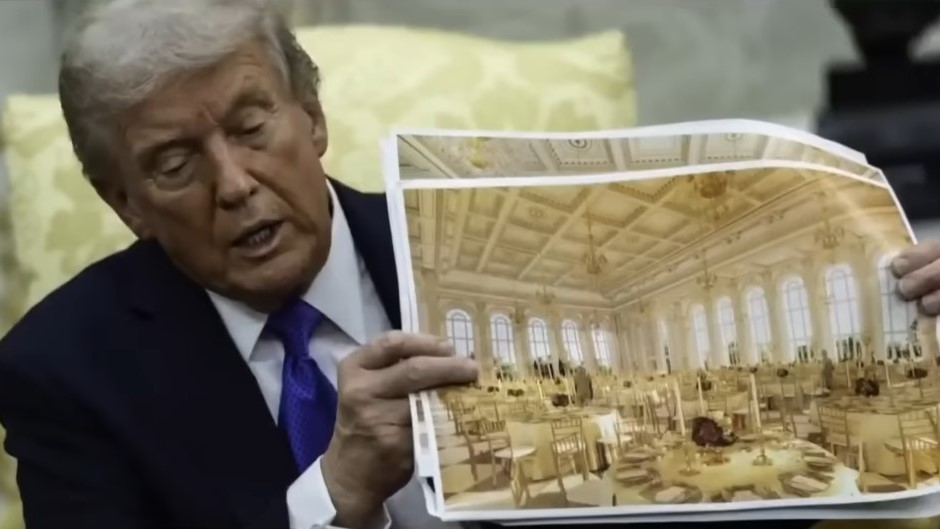
In the wake of a dramatic security incident that shook Washington, a senior Republican senator on Monday announced plans to introduce legislation that would authorise hundreds of millions of federal dollars for the controversial construction of President Donald Trump's $400 million ballroom at the White House. The proposal, put forward by Senator Lindsey Graham, has further inflamed debates over presidential security, legal authority and the use of public funds for a project originally touted as privately financed.
Republican lawmakers argue the new venue is vital to protect future presidential events on secure grounds, citing a recent shooting scare near a dinner attended by Trump. Critics, including Democratic lawmakers and historic preservation advocates, counter that the bill represents an unnecessary use of public funds and undermines established legislative oversight.
BREAKING: Lindsey Graham to introduce legislation to spend hundreds of millions of dollars in taxpayer money to build Trump’s ballroom.https://t.co/9Pqvo0XsTi
Senator Lindsey Graham of South Carolina said on Monday that he plans to introduce legislation authorising $400 million (approximately £295.5 million) in federal funding for the White House ballroom project. The bill would, in effect, direct taxpayer dollars to a venue that the White House had previously claimed would be financed largely through private donations and the president's own funds.
Graham and other Republican backers contend the funding is necessary not just for the ballroom itself but for associated security enhancements. He said the ballroom will incorporate infrastructure 'that is national security‑centric' and argued it would reduce the need for presidents to leave the White House grounds for large events. Graham has also floated the use of customs fees to help cover some of the cost.
The push comes shortly after ashooting incident during the White House Correspondents' Association dinnerat the Washington Hilton, a venue described by Trump and his allies as insecure for events involving officials in the presidential line of succession. Trump and his supporters have used the incident to reinvigorate calls for the ballroom's construction as a security necessity.
When the ballroom project was first announced, the Trump administration maintained its intention to rely on private donors and Trump's own finances to cover most of the cost, repeatedly insisting that taxpayer money would not be needed. Reporting at the time noted that fundraising had begun, but the White House did not release a detailed accounting of donors or amounts raised.
A post shared by The Washington Post (@washingtonpost)
The shift towards taxpayer funding represents a significant pivot. Graham's proposed legislation would authorise direct federal appropriations for the ballroom while also allowing some costs to be offset by customs fees and private contributions, he said.
Supporters of the bill say the combination of public and private funds will ensure the facility is completed efficiently while bolstering national security infrastructure. Critics argue that using taxpayer money for what they see as an elective and prestigious venue is inappropriate, especially given other pressing public spending needs and the administration's earlier pledge to rely on private financing.
Source: International Business Times UK
