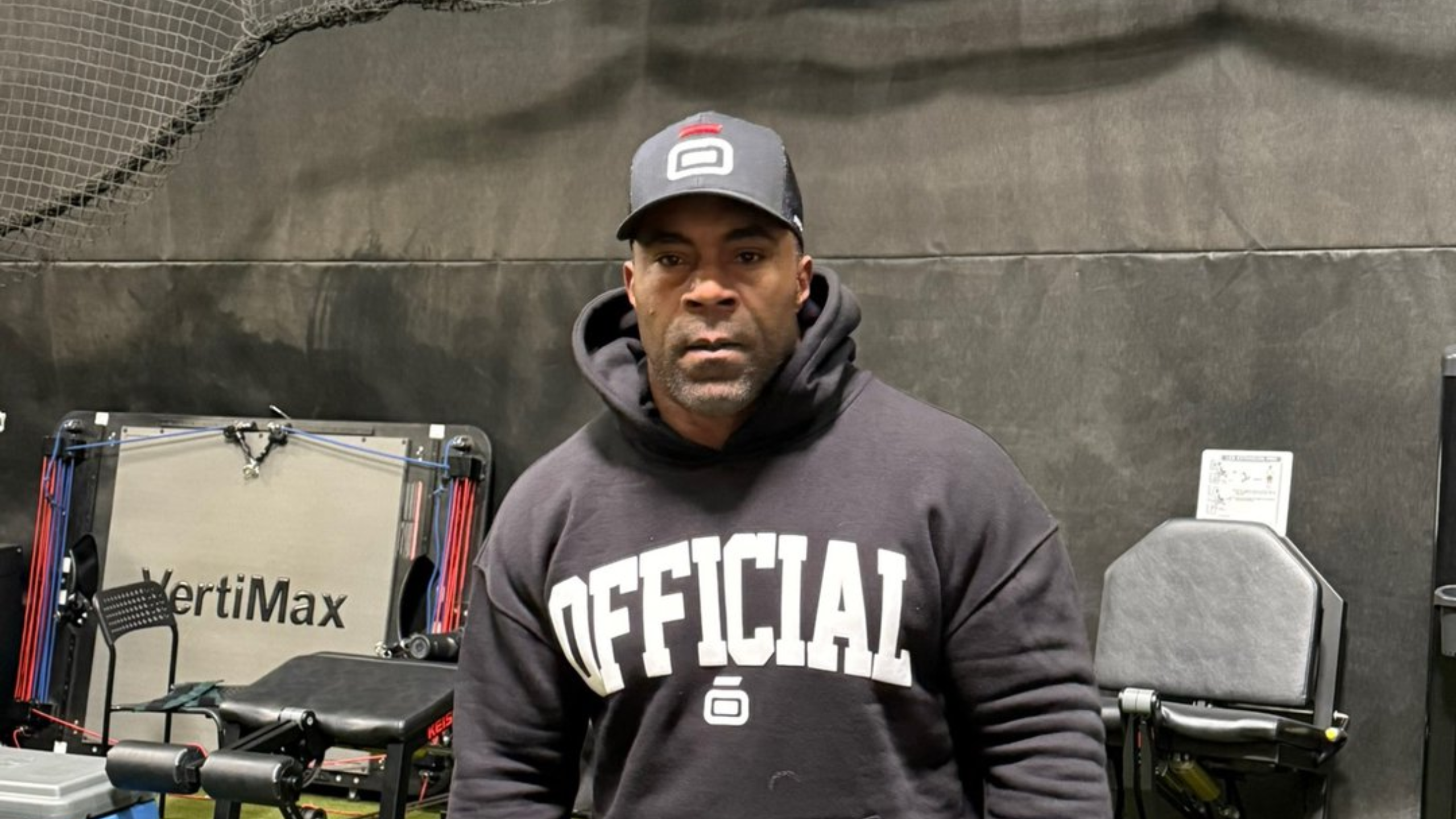
President Trump has granted pardons to five former NFL players, including Jamal Lewis, Joe Klecko, Nate Newton, Billy Cannon, and Travis Henry. The pardons were announced by Alice Marie Johnson, Trump's so-called 'pardon czar,' in a social media post on Thursday evening.
Johnson praised the decision, writing that 'as football reminds us, excellence is built on grit, grace, and the courage to rise again' and expressing gratitude for Trump's commitment to second chances. The announcement has drawn attention due to the high profiles of the players and the nature of their past offences.
The pardons include some of the most recognised names in NFL history. Jamal Lewis, 46, a running back who won aSuper Bowlwith the Baltimore Ravens in 2001, was sentenced in 2004 for attempting to arrange a drug deal involving at least five kilograms of cocaine. Lewis served four months in prison and missed two NFL games due to suspension before returning to his professional career.
Joe Klecko, 72, a defensive lineman for the New York Jets and a member of the famed 'New York Sack Exchange,' was sentenced to three months in prison in 1993 for lying to a grand jury investigating false car insurance claims. Klecko was inducted into the Pro Football Hall of Fame in 2023.
Nate Newton, 64, a three-time Super Bowl champion with the Dallas Cowboys, pleaded guilty to drug trafficking in 2002. He was sentenced to 30 months in prison after being caught twice for dealing over 100 pounds of marijuana.
Billy Cannon, a Heisman Trophy-winning halfback from 1959, was sentenced to five years in prison in 1983 for orchestrating a multimillion-dollar counterfeiting scheme. He served over two and a half years before his release and died in 2018 at age 80.
Travis Henry, 47, a Pro Bowl running back with the Buffalo Bills, was sentenced in 2009 to three years in prison for financing a cocaine trafficking ring. In an interview with theNew York Timesbefore his sentencing, Henry discussed being broke after fathering nine children with nine different women.
Each of the pardoned players had already served their sentences, with most returning to professional football careers after their release.
The range of crimes includes drug trafficking, perjury, and counterfeiting, highlighting the seriousness of the offences.
Despite the time passed since their convictions, the pardons have been described as unexpected due to the combination of high-profile athletic achievements and criminal records.
Source: International Business Times UK
