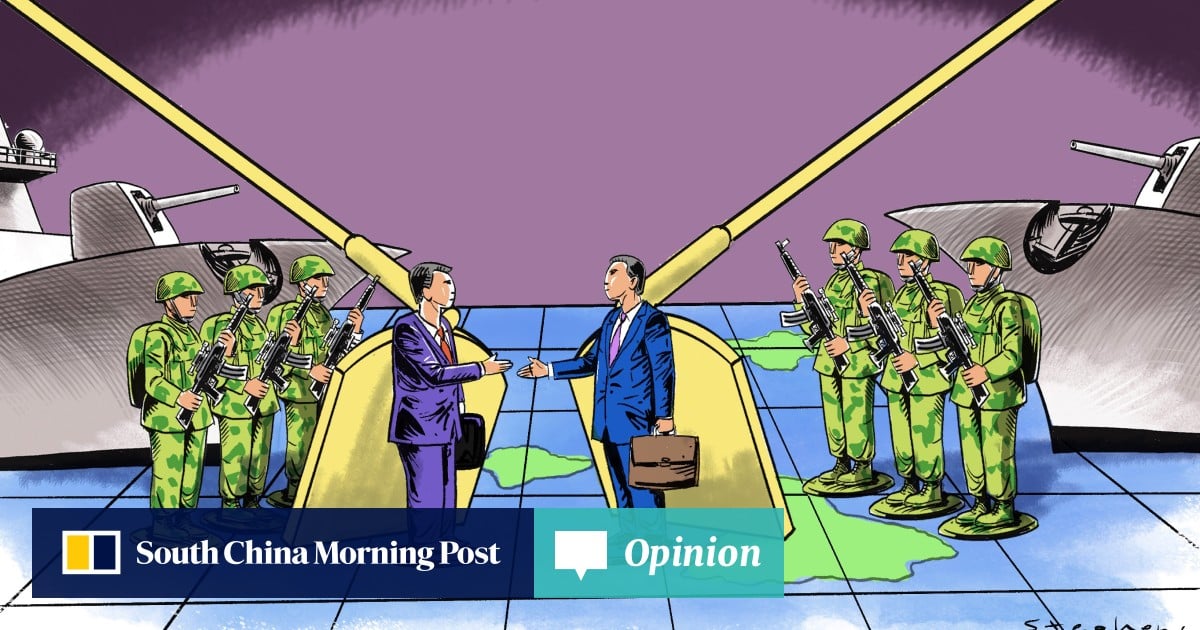
The danger is that every state insists it is acting defensively while collectively building the habits and infrastructure of confrontation
That is why diplomacy has to return to the centre of regional strategy before military signalling becomes the region’s default language.
Manila frames Balikatan as a sovereign exercise in defence modernisation and “minimum credible deterrence”. An army spokesman said the Philippines was “unfazed” by Beijing’s warnings and had contingency plans for any escalation around the drills. That stance captures the moment. Even a defensively framed exercise is now paired with explicit readiness for a response – capability, geography, timing and symbolism all matter here, and all sides now speak in those terms. No country embodies that shift more sharply than Japan.
That historically freighted date made the transit inflammatory. A PLA Daily commentary accused Tokyo of “harming the feelings of the Chinese people” and warned of Japan’s “new militarism”. Official Chinese channels circulated drone footage of the encounter to underline the point. Whatever Tokyo intended, Beijing did not read the passage as routine navigation – and answered immediately in operational terms.
Japan’s new arms export rules trigger Chinese warning against ‘moves towards militarism’
Source: News - South China Morning Post
