Taylor Swift is taking new steps to protect her voice and likeness from AI misuse.
Get unlimited access to ad-free articles and exclusive content.
The global pop superstar on Friday filed trademark applications for two audio clips of her voice. In one, she says: “Hey, it’s Taylor Swift, and you can listen to my new album, ‘The Life of a Showgirl,’ on demand on Amazon Music Unlimited.”
In the other, she says in a lower register: “Hey, it’s Taylor. My brand new album ‘The Life of a Showgirl’ is out on Oct. 3 and you can click to presave it so you can listen to it on Spotify.”
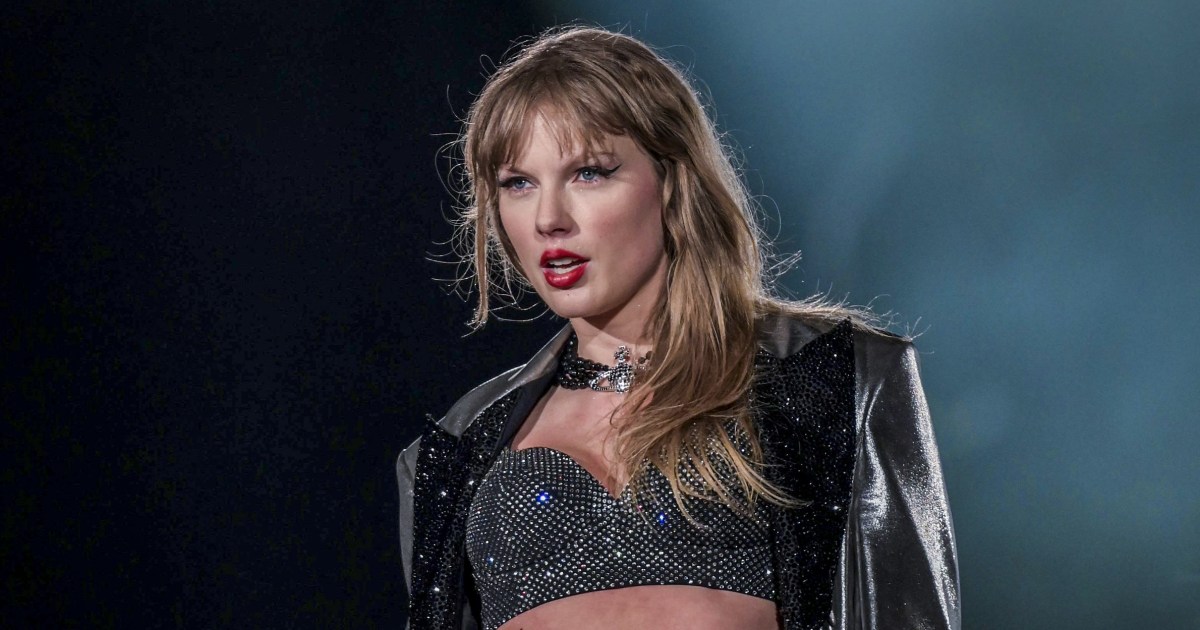
Swift also filed for a third trademark to protect an image of her onstage, wearing one of her signature sparkly bodysuits and strumming a pink guitar.
The Grammy winner has been the target of numerous deepfakes in recent years. Fake clips of herpromoting a brand of cookwarehave tricked fans online, sexually suggestive deepfakes of her havegone viral on social media, and even President Donald Trumpshared manipulated photos of hersupporting his candidacy.
Swift is one of many celebrities confronting the issue as AI content generation tools become ever more sophisticated, even as AI companies add guardrails to prevent harmful uses of their models.
In January,Matthew McConaughey became the first A-lister to file a series of trademarks— including images, video and audio of himself — to protect his own likeness as AI-generated deepfakes become increasingly realistic and easy to create.
AI experts have suggested that individual trademarks from celebrities like Swift could become more common as stars attempt to attain stronger legal standing to sue if their likenesses were replicated without explicit permission.
Sound marks, or trademarks of distinctive audio cues, have historically been filed to protect iconic brand sounds such as MGM’s lion roar, NBC’s chimes or the Pillsbury Doughboy’s giggle.
Source: Drudge Report
